Direct answer: specify semiconductor dicing-coolant filtration as a staged, testable process—not by asking one “final micron” cartridge to handle every contaminant. A practical trial may begin with coarse mesh protection, a bag stage for bulk solids, a PP pleated polishing stage and a 0.45 µm final cartridge, but every stage must be checked against the actual coolant chemistry, abrasive fines, flow, pressure drop and product-quality target.
Send coolant composition/SDS, cutting process, tank and flow data, particle observations, current filter results, target cleanliness and required run time.
This guide is for semiconductor equipment builders and fab process teams. It links to INCE nylon filter mesh, PP filter bags, PP pleated cartridges and PES pleated cartridges.
Start with a controlled filtration objective
Identify what the filter must protect: coolant recirculation equipment, nozzles, wafer surface quality, downstream heat exchange or another measurable outcome. Describe the cutting debris and any binder, surfactant or oil. Provide representative samples and particle data when available. “Semiconductor coolant” is not one chemistry, and the same micron sequence should not be copied across different processes without validation.
| Trial stage | Possible starting role | What must be verified |
|---|---|---|
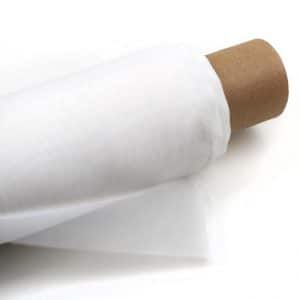
| About 100 µm mesh | Intercept large chips, fibers or agglomerates | Mesh material compatibility, open area, sealing and cleanability |
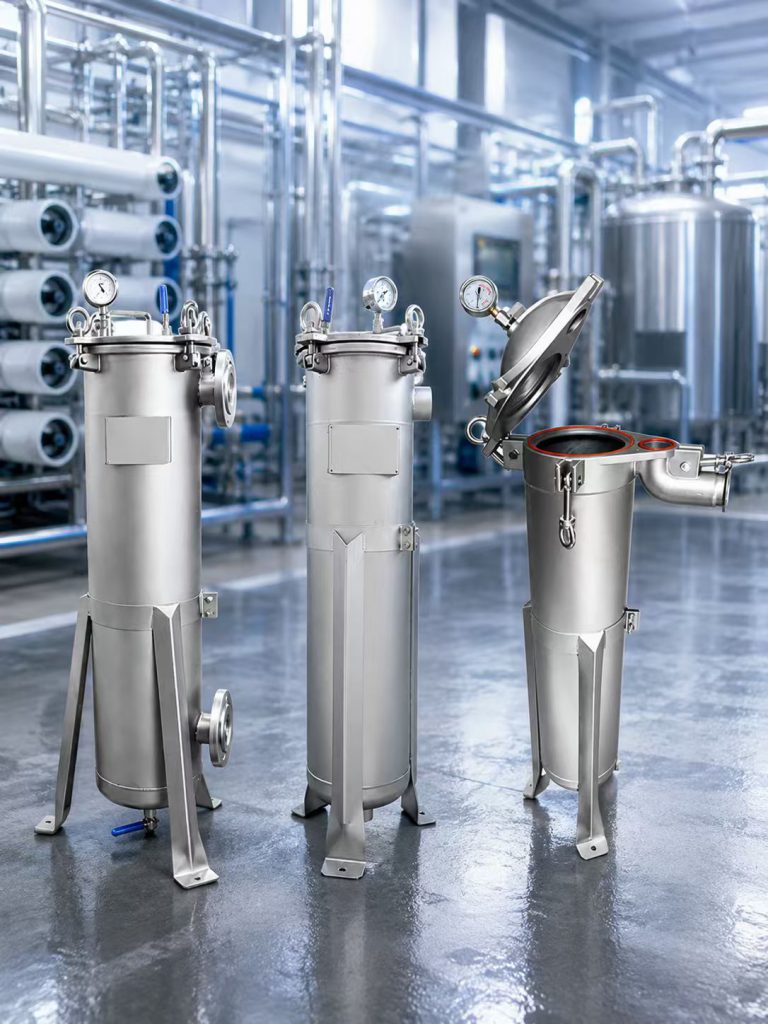
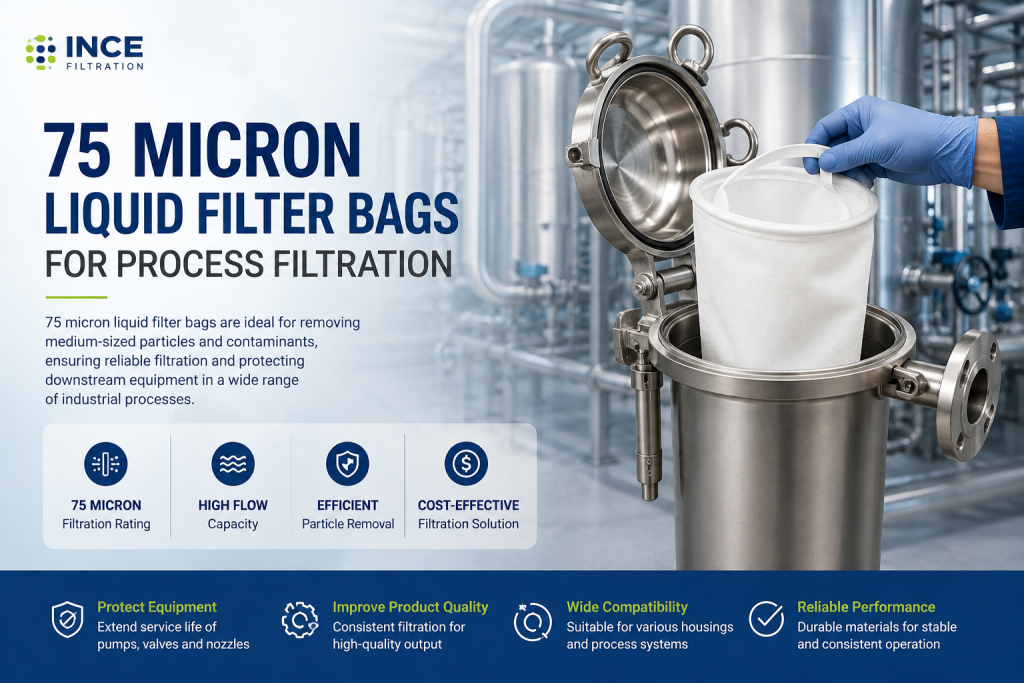
| About 25 µm PP bag | Capture bulk fine solids before cartridges | Nominal/efficiency basis, bag ring seal, solids capacity and safe changeout |
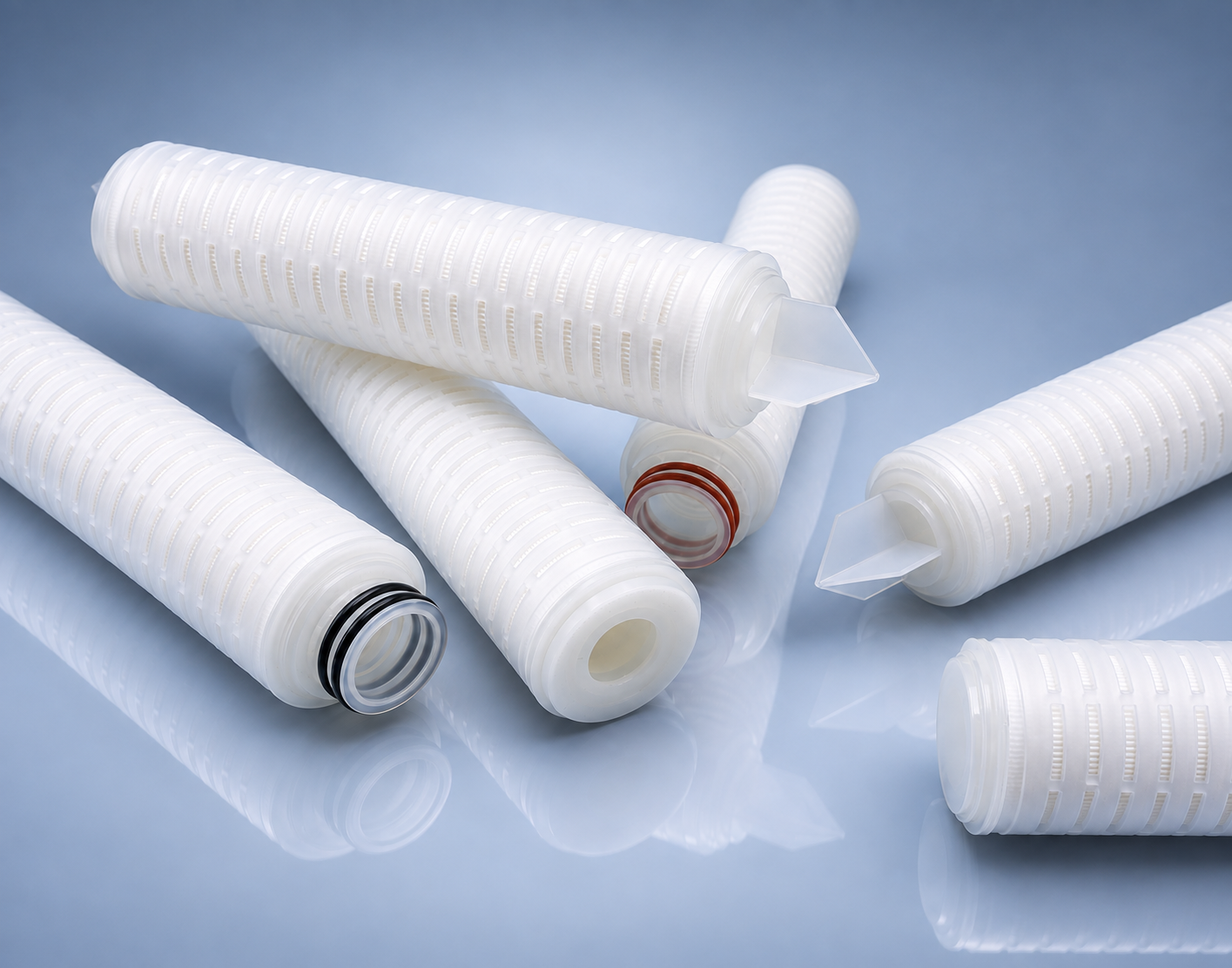
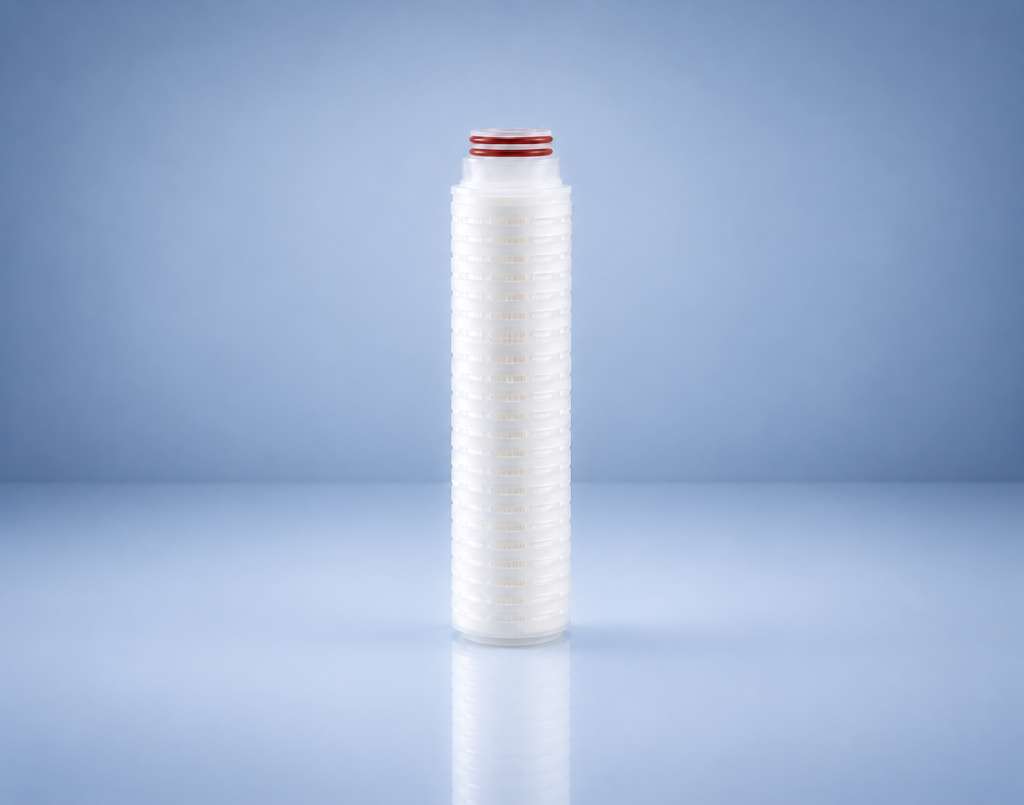
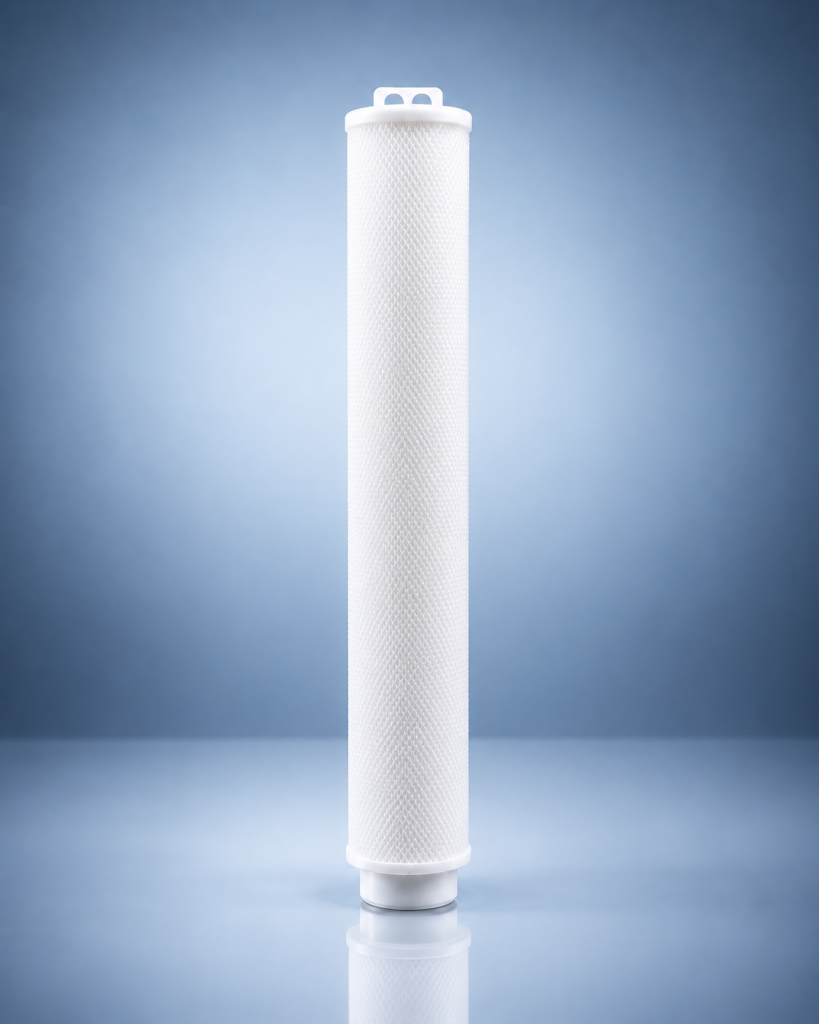
| About 5 µm PP pleated | Reduce load reaching the final stage | Media area, efficiency, ΔP, end cap and chemical compatibility |
| About 0.45 µm PES or another validated membrane | Final particle-control trial | Membrane chemistry, wettability, retention evidence and product response |
Important: 100/25/5/0.45 µm is a proposed trial ladder, not a performance guarantee. Fewer or different stages may be appropriate after representative testing.
Specify each interface, not only each micron rating
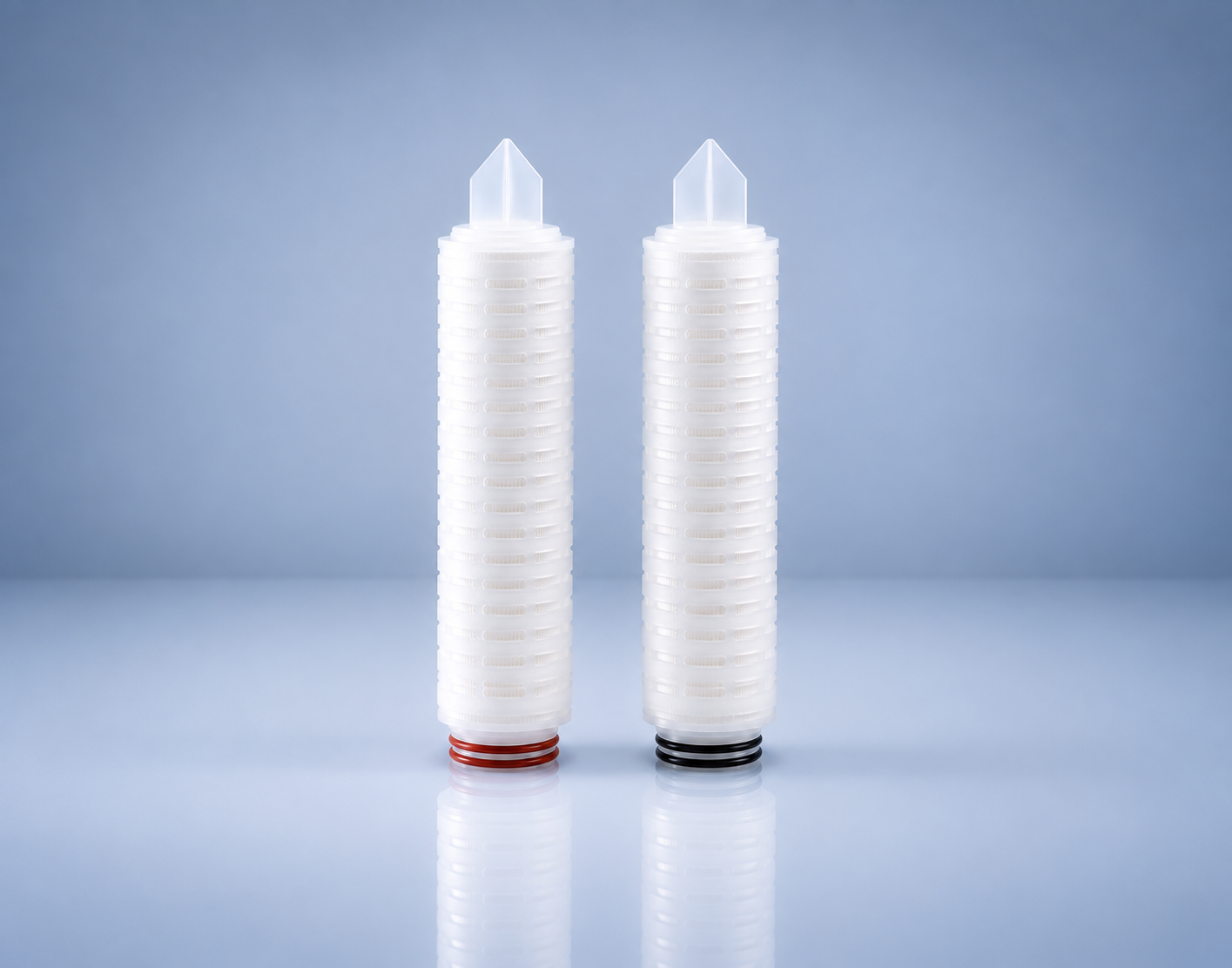
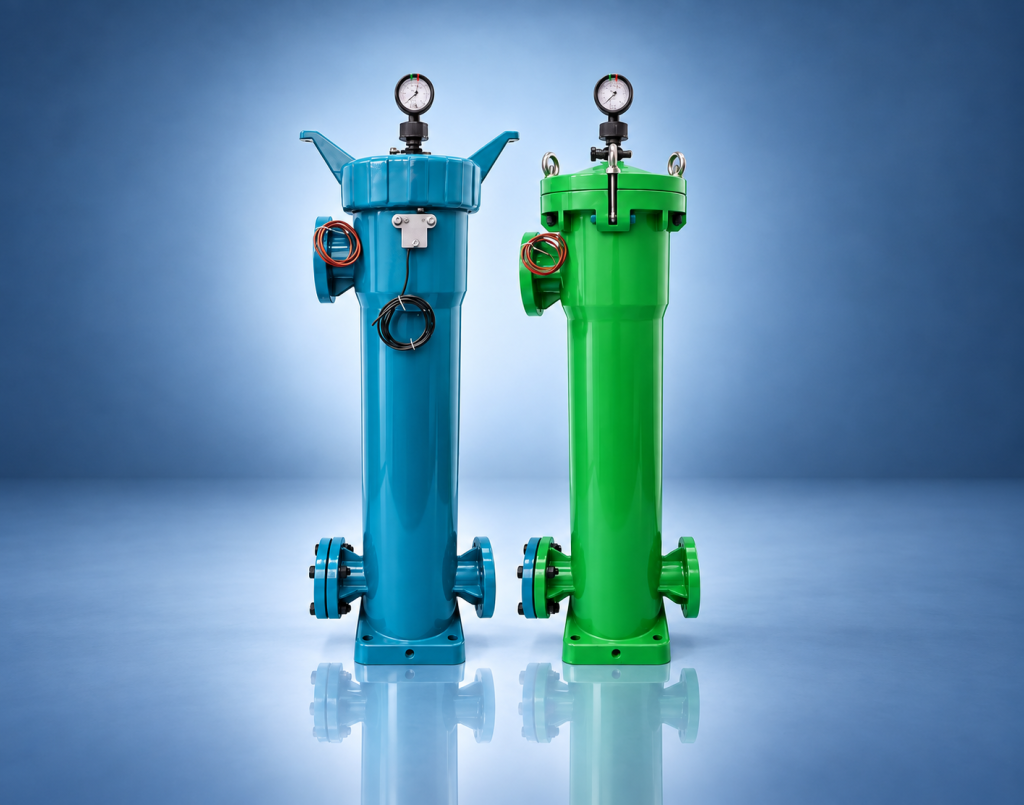
For mesh, state polymer, weave, opening or mesh count, width, form and support. For the bag, provide diameter, length, ring or collar and basket drawing. For cartridges, define length, OD, ID, end cap, seal material and flow direction. Two elements with the same printed micron value can have different retention efficiency and pressure-drop behavior.
Photos, labels, drawings and housing dimensions reduce fit risk and allow a comparable replacement quotation.
Plan a useful process trial
- Install pressure measurements that distinguish loading by stage where practical.
- Record stable starting flow, temperature and coolant condition.
- Use the same sample locations and analytical method before and after filtration.
- Set a stop rule based on approved ΔP, flow loss, coolant quality or process result.
- Record the removed element condition and reason for changeout.
- Change one controlled variable at a time when comparing media or ratings.
Material and cleanliness boundaries
Review extractables, adhesives, support materials, seals and hardware as part of the cartridge—not only the membrane name. If metal-free or other cleanliness controls are required, list them explicitly and request configuration-specific evidence. PTFE, PES, PP, PVDF and nylon have different chemical and wetting behavior; the final selection belongs to the complete process and validation plan.
RFQ checklist
| Process | Coolant trade name/composition or SDS, wafer/cutting material, tank volume, recirculation flow, temperature and cleaning agents |
|---|---|
| Contaminant | Particle data, solids load, fibers/agglomerates, current element appearance and variability by batch or tool |
| Performance | Target coolant cleanliness, protected equipment, acceptable ΔP, run time and measurable wafer/process outcome |
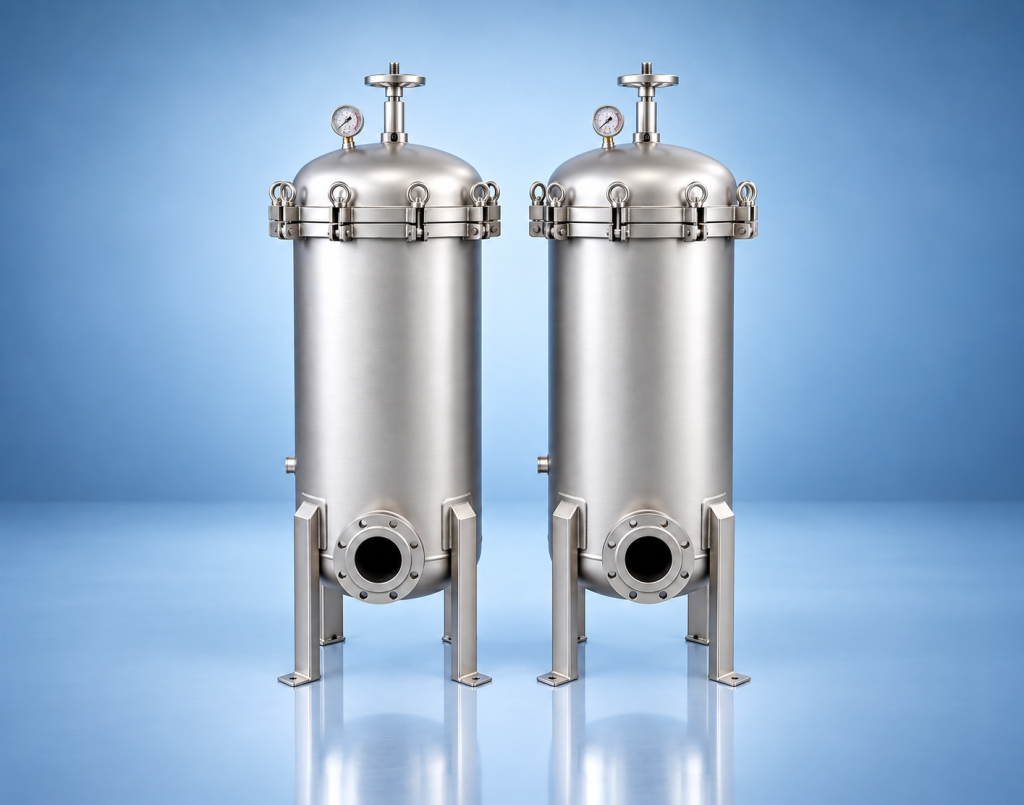
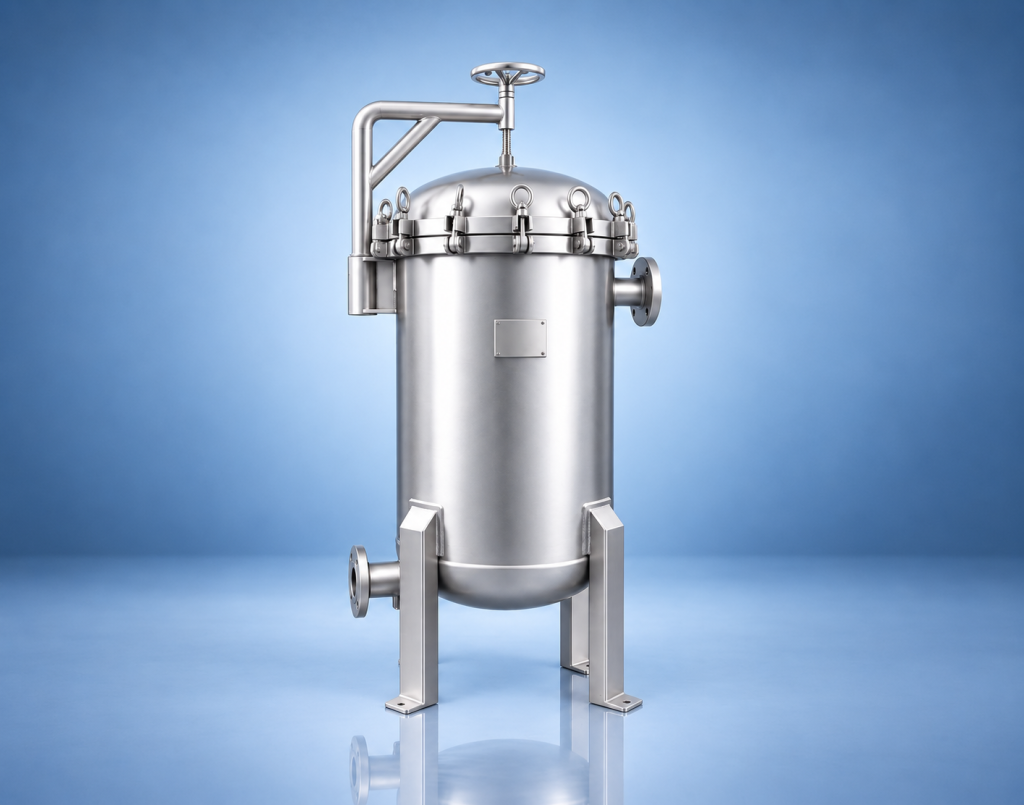
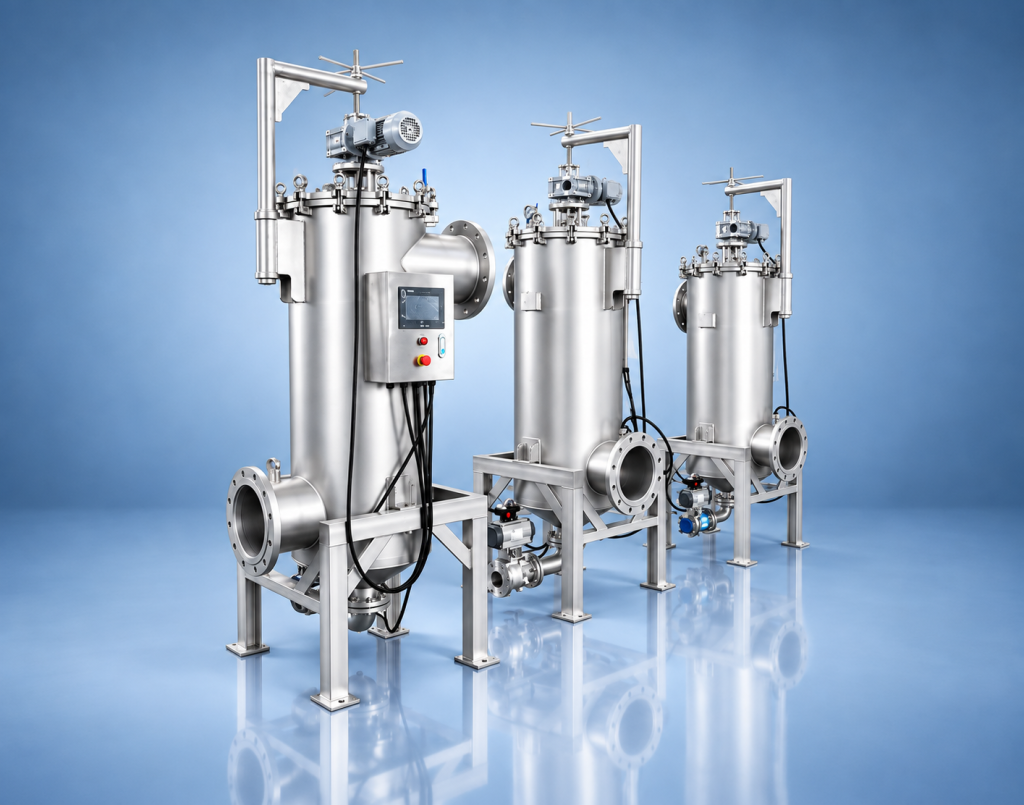
| Hardware | Housing drawings, element interfaces, connection sizes, available space, pump data and instrument locations |
| Commercial | Sample quantity, production quantity, OEM label/packing, destination and required documents |
FAQ
Is a 100/25/5/0.45 µm sequence a universal semiconductor design?
No. It is a trial framework only. Final media, ratings and stages must be validated with the actual coolant, particle load, equipment and acceptance target.
Should the final 0.45 µm cartridge always be PES or PTFE?
No. Select membrane, supports, seals and hardware from the complete fluid chemistry, wettability, cleaning exposure and required retention evidence.
What evidence should be collected during a trial?
Record flow, temperature, differential pressure by stage, coolant condition, upstream and downstream samples, run time, reason for changeout, product-quality response and used-element observations.
What should a buyer send for quotation?
Send coolant composition or SDS, wafer or cutting process, flow and tank volume, particle data, temperature, current filters and problems, target cleanliness, pressure limits, housing interfaces, quantity and destination.
Submit actual coolant and equipment data so INCE can quote compatible mesh, bags, cartridges and housings as a documented trial set.
 WhatsApp