Particle & Solids
Particle size, shape, deformability and solids loading influence micron rating, media type and element capacity.

INCE filtration products are used across water treatment, chemical processing, food and beverage, pharmaceutical, coatings, electronics, power generation and petrochemical processes. The right solution starts with the actual liquid, contaminants, flow and operating conditions.
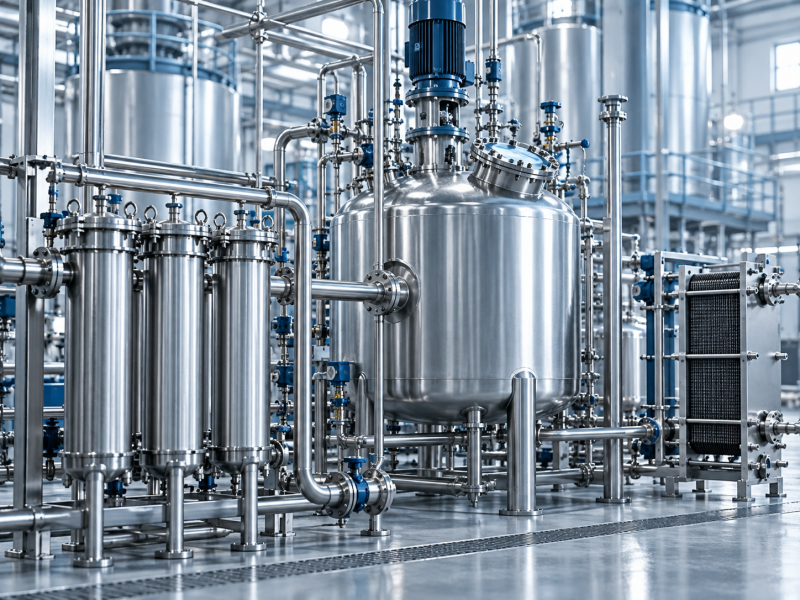
Start with your industry, then narrow the selection by process stream, contaminant, required retention and operating conditions.
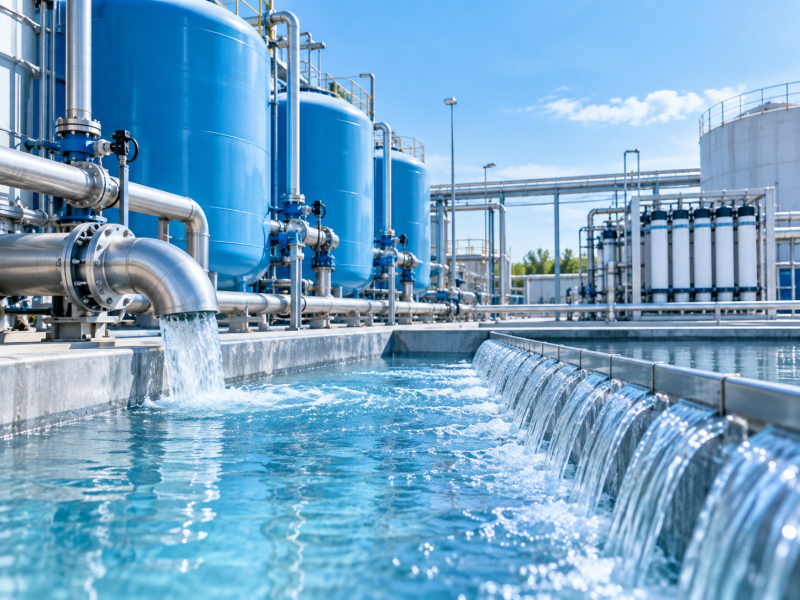
RO pretreatment, cooling water, wastewater and reuse systems.
View application →Acids, alkalis, solvents, resins and specialty chemicals.
View application →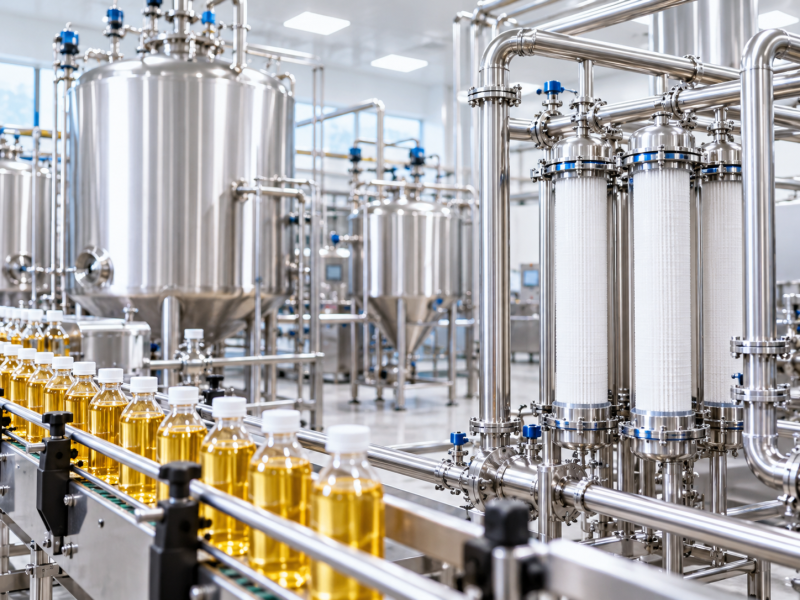
Ingredients, edible oils, process liquids and utility streams.
View application →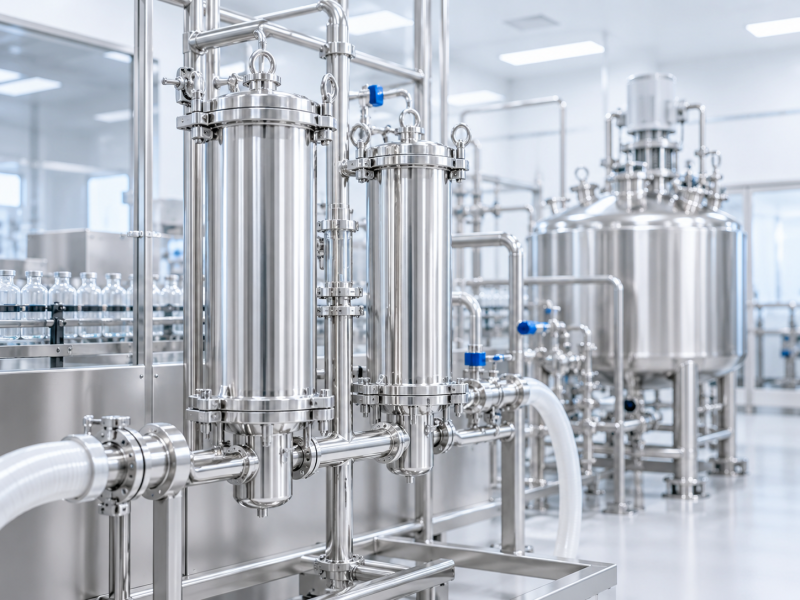
Process pre-filtration, polishing and compatible sanitary systems.
View application →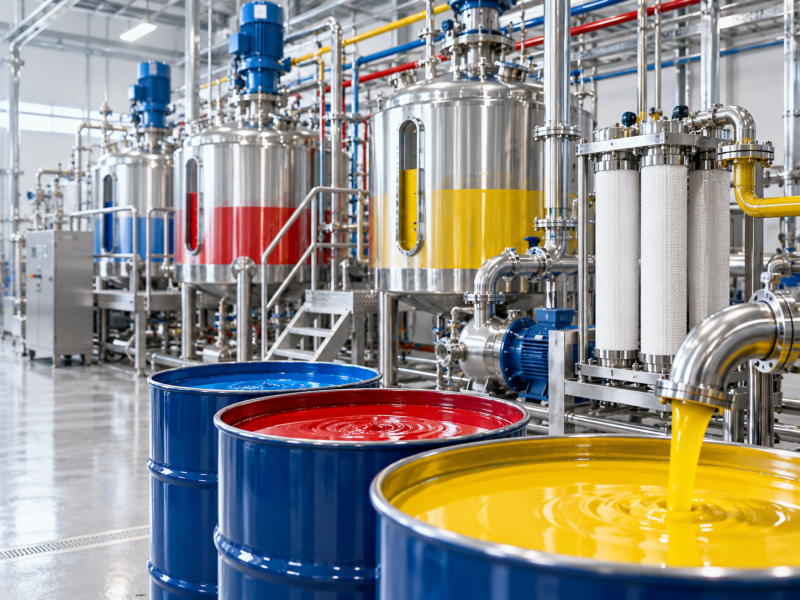
Paint, ink, resin, coating and recirculation filtration.
View application →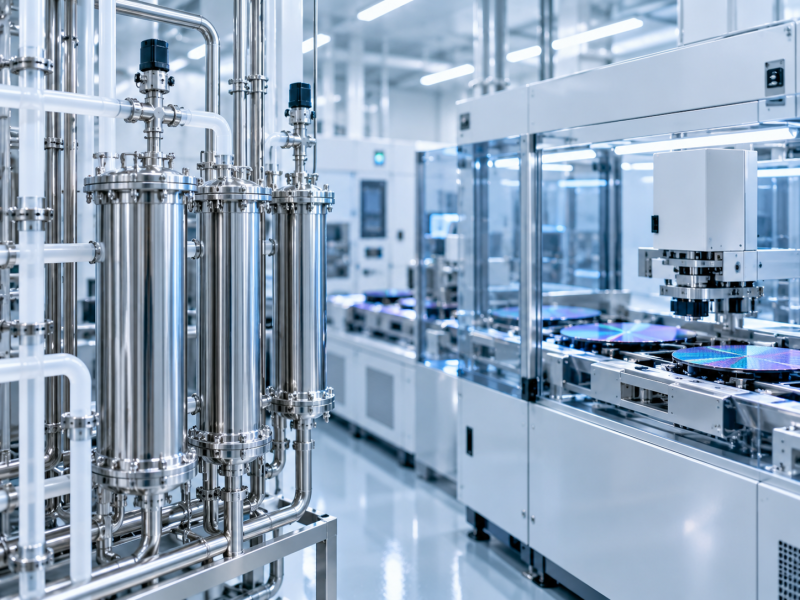
Process water, compatible chemicals and equipment protection.
View application →
Cooling water, condensate, utility water and equipment protection.
View application →
Hydrocarbons, process oils, lubricants and utility streams.
View application →A useful filtration specification combines retention requirements with the real operating environment. These six factors should be reviewed together.
Particle size, shape, deformability and solids loading influence micron rating, media type and element capacity.
Complete composition, concentration, pH and cleaning chemicals determine compatible media and wetted materials.
Flow rate and acceptable pressure drop affect element area, housing size and whether high-flow formats are appropriate.
Operating and design pressure plus temperature must be checked against the selected cartridge, bag and housing construction.
Coarse screening, general process filtration, fine polishing and validated critical filtration require different media strategies.
Change-out frequency, cleanability, automation, labor access and waste volume can change the best system choice.
01 · WATER TREATMENTIndustrial water systems can require coarse solids removal, membrane pretreatment, cooling-water filtration, wastewater polishing or high-flow utility filtration. Element choice depends on feed-water quality, target particle size and required throughput.
02 · CHEMICAL PROCESSINGAcids, alkalis, solvents, resins and specialty chemicals require more than a micron rating. The liquid composition, concentration and temperature must be checked against filter media, seals, rings and housing wetted materials.
03 · FOOD & BEVERAGEFood and beverage processes may use filtration for ingredient preparation, edible oils, syrups, process liquids and utilities. The required material, cleanliness and documentation depend on the exact product-contact duty.
04 · PHARMACEUTICALPharmaceutical and related high-purity processes often use staged filtration to reduce particulate loading before finer elements. Media grade, integrity requirements and validation documents must be selected for the actual process—not inferred from micron rating alone.
05 · PAINTS & COATINGSPaint, ink, resin and coating systems often require practical solids handling and reliable flow. Filter bags are widely used for batch and transfer duties, while multi-bag or self-cleaning housings can support higher throughput and solids loading.
06 · ELECTRONICSElectronics manufacturing can require low-contamination filtration for process water and selected chemicals. Media choice depends heavily on the chemistry, required cleanliness and allowable extractables or contamination risk.
07 · POWER GENERATIONPower facilities often handle large water volumes and need equipment protection with practical pressure drop and maintenance intervals. High-flow cartridges, depth cartridges and bag filtration can be combined in staged systems.
08 · OIL & PETROCHEMICALOil and petrochemical streams can vary widely in viscosity, temperature and contaminant load. Practical systems may combine bag filtration, high-flow cartridges or self-cleaning equipment depending on solids loading and required retention.
Use these core product families as building blocks for coarse screening, general process filtration, fine polishing and high-flow service.
PP, polyester, nylon mesh and PTFE options from fine filtration to coarse screening.
Explore filter bags → Fine / Depth / High FlowPleated, high-flow, melt-blown, string-wound and activated-carbon cartridge families.
Explore cartridges → Equipment & System IntegrationSingle bag, multi bag, high-flow, self-cleaning, precision and non-metallic housings.
Explore housings → Screening / Custom ComponentsNylon, polyester and stainless-steel mesh can be converted into discs, screens and custom filtration components.
Discuss custom mesh →The INCE filtration download center includes brochures for liquid filter bags, pleated and depth cartridges, high-flow cartridges, filter housings and dust collector filter bags.
Open Download CenterStart with liquid composition, contaminant size and solids loading, flow, operating pressure and temperature, viscosity, required retention and existing equipment. These conditions determine media, micron rating, element format and housing size.
Filter bags are often practical for general process filtration and higher solids loading. Cartridges are commonly selected for finer retention, polishing or compact high-flow systems. The final choice depends on the complete operating duty.
Bag filtration, coarse mesh screening and self-cleaning housings are common starting points. Particle size, solids concentration, flow and cleaning or change-out strategy should be reviewed together.
Provide all chemicals and concentrations, pH, operating temperature, cleaning chemicals and required wetted materials. Compatibility must cover media, rings, seals, supports and housing—not only the filtration element.
Yes. Send the existing model, dimensional drawing, sample or clear photographs together with the process conditions and quantity for replacement or custom-product review.
Send the liquid composition, required flow, micron target, pressure, temperature, viscosity, solids loading, existing model or dimensions, quantity, destination and any drawing or photo available.
Tell us the liquid, particle or contamination target, flow, pressure, temperature, dimensions and quantity. INCE filtration can review filter bags, cartridges, housings or a staged filtration approach.
 WhatsApp