
Short answer: do not select a housing from “electroless nickel, 95°C” alone. Send the complete bath composition and concentrations, normal and upset temperature, 0.03–0.09 m³/h flow range if applicable, operating and design pressure, target micron rating, required wetted materials, seal and connection details, installation drawing and acceptance documents. At 95°C, every wetted component and the pressure derating—not only a PVDF or PTFE label—requires written engineering confirmation.
Why is 95°C outside a simple catalogue selection?
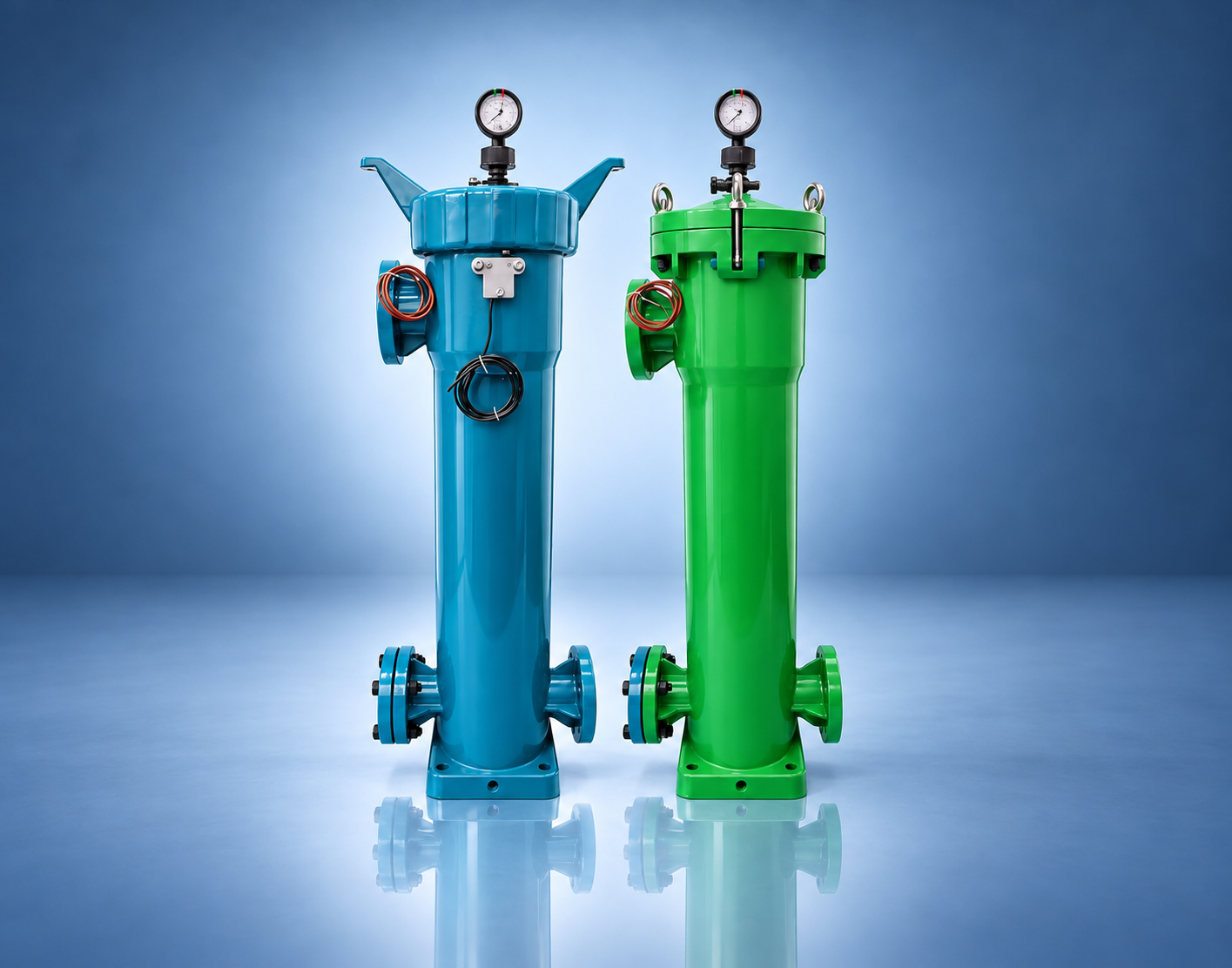
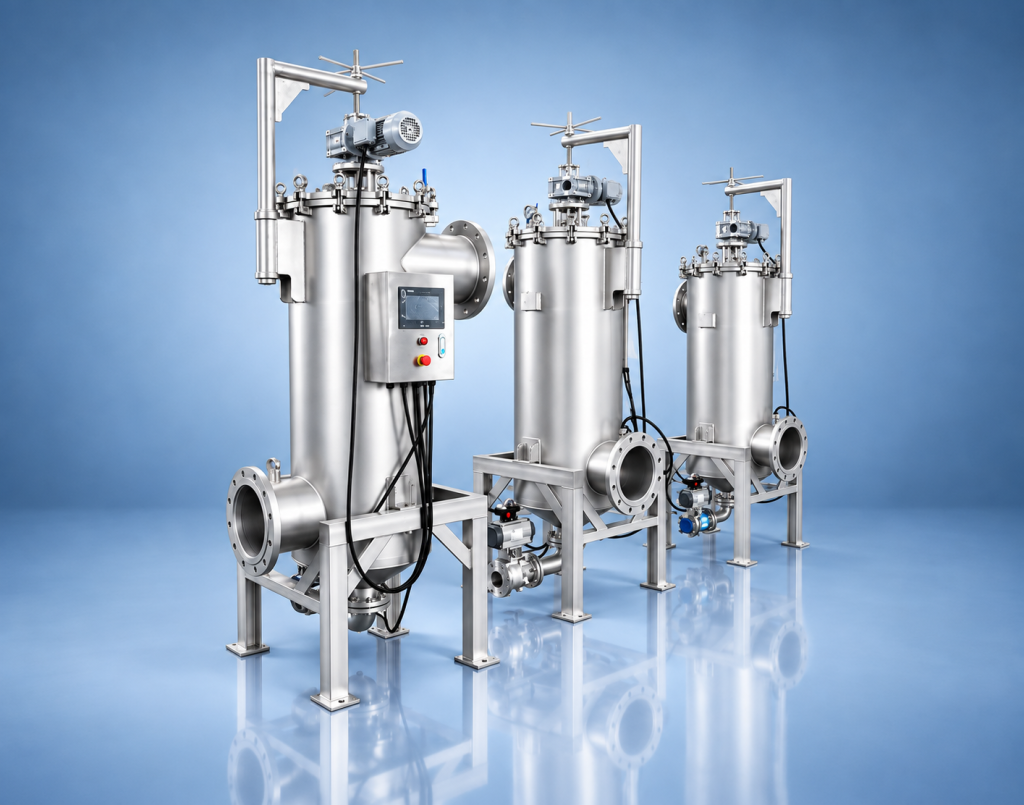
INCE’s published PPH/PVDF bag-housing page lists PPH reference models at 70°C or 90°C, a 0.8 MPa reference pressure, and reference flows of 12–40 m³/h. It also states that PVDF quotations require confirmation of final pressure, temperature, component materials and dimensions. A small duty such as 0.03–0.09 m³/h is far below that reference flow range, while 95°C is above the published PPH reference temperatures. That combination points to an engineering review, not automatic selection of a standard model.
| Decision item | Buyer input | Supplier confirmation needed |
|---|---|---|
| Bath chemistry | All constituents, concentrations, pH, contaminants and replenishment chemicals | Compatibility of body, cover, basket/core, fittings, seals and filter element. |
| Temperature | Normal 95°C, heat-up/cool-down cycle, maximum upset and cleaning temperature | Pressure-temperature envelope and thermal-cycle suitability of the complete assembly. |
| Flow | Minimum, normal and peak flow in m³/h or L/min | Element area, clean pressure drop, pump match and whether a custom compact housing is needed. |
| Retention | Target particle size, bath-quality objective and rating basis | Media grade and validation trial; no universal micron grade is assumed. |
| Wetted materials | PVDF, PTFE, metal-free or other restrictions | Exact scope—housing body, basket, element, end caps, seals, gauges and connections. |
PVDF housing and PTFE filtration are different specification layers
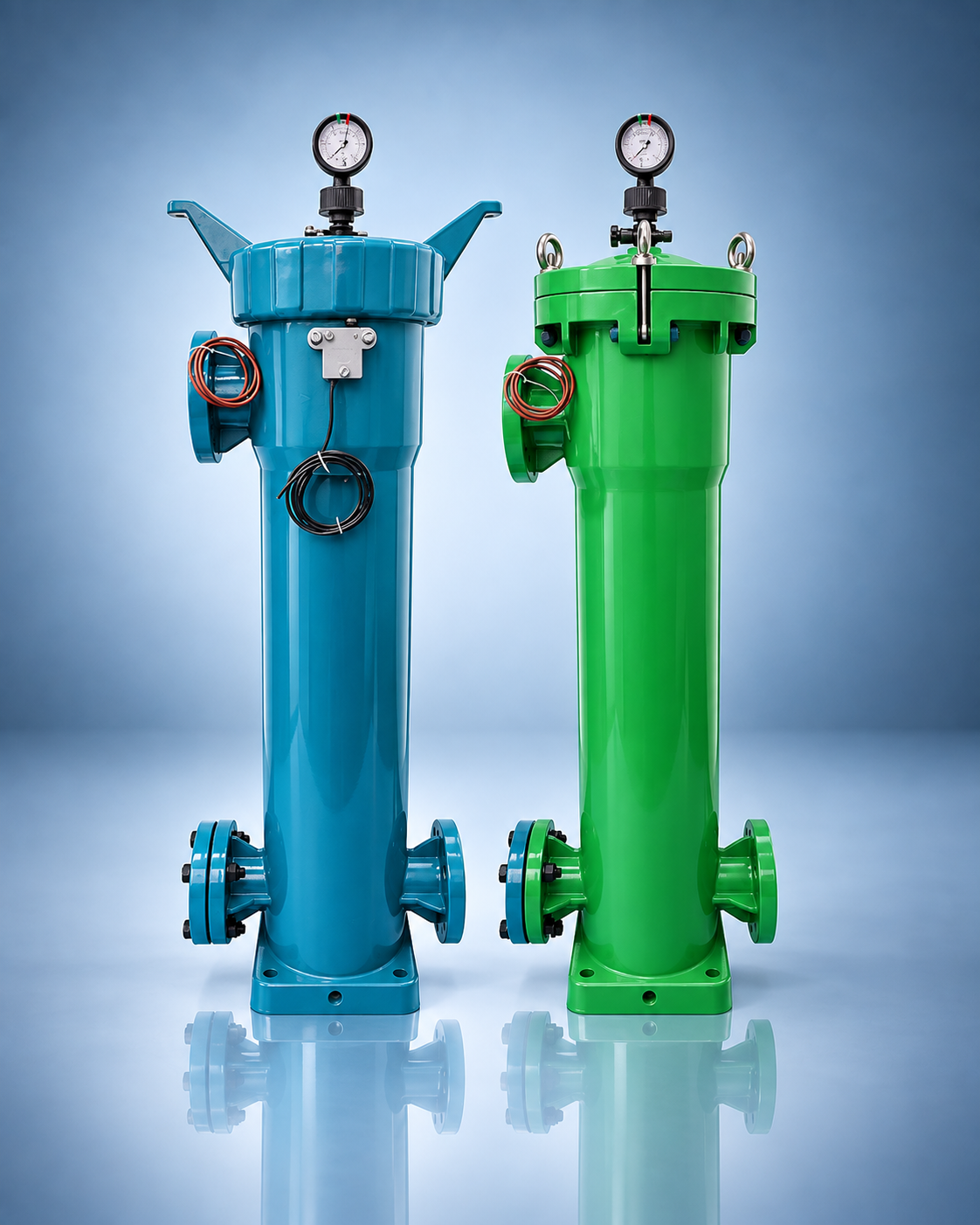
PVDF may describe a housing material or a membrane-cartridge medium. PTFE may describe a membrane, gasket, lining or another wetted component. Procurement should list each required material by component instead of writing “PVDF/PTFE unit.” For example, specify the desired vessel/body material, internal support material, filter media, end-cap material, seal material, drain/vent parts and instrument wetted parts separately.
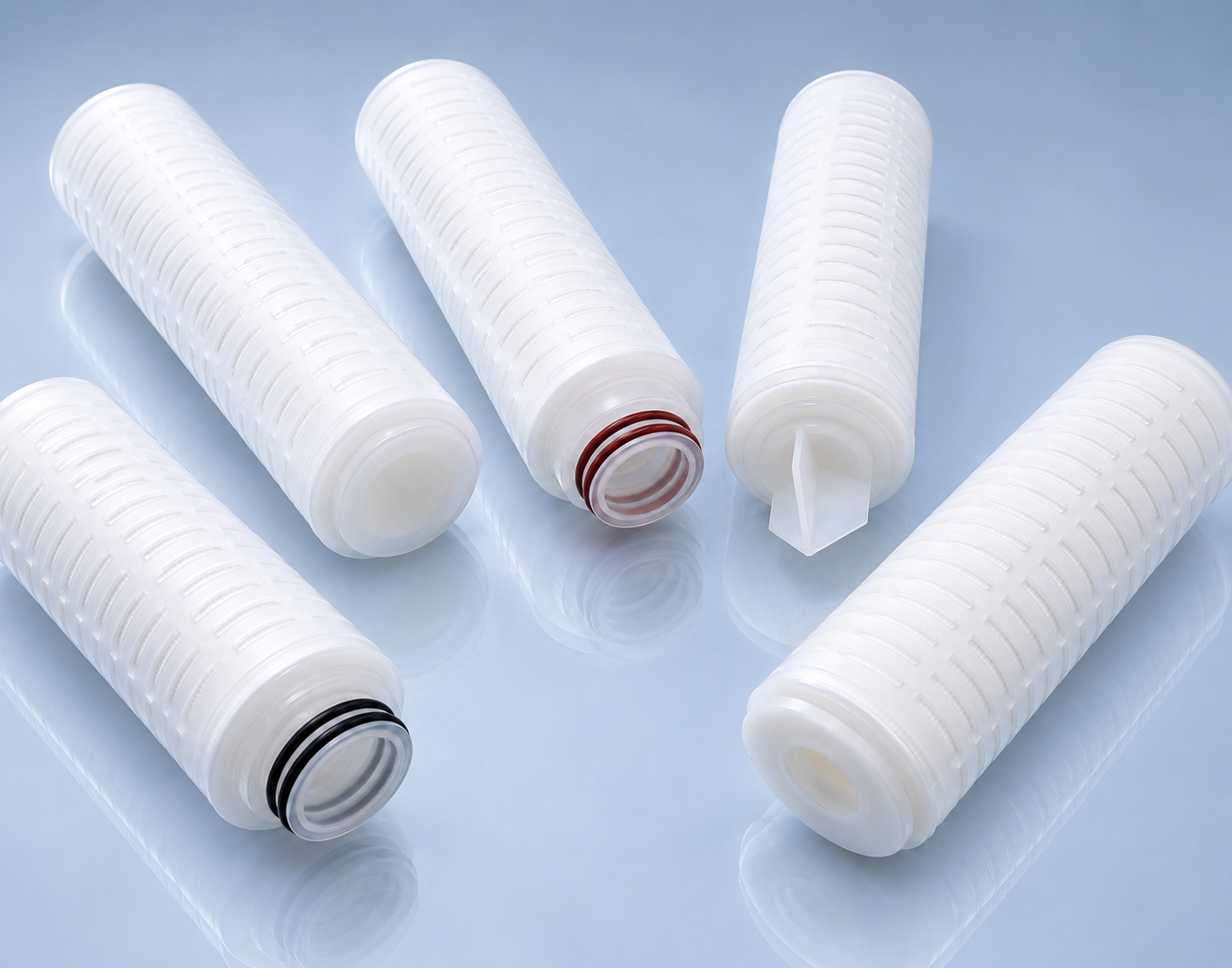
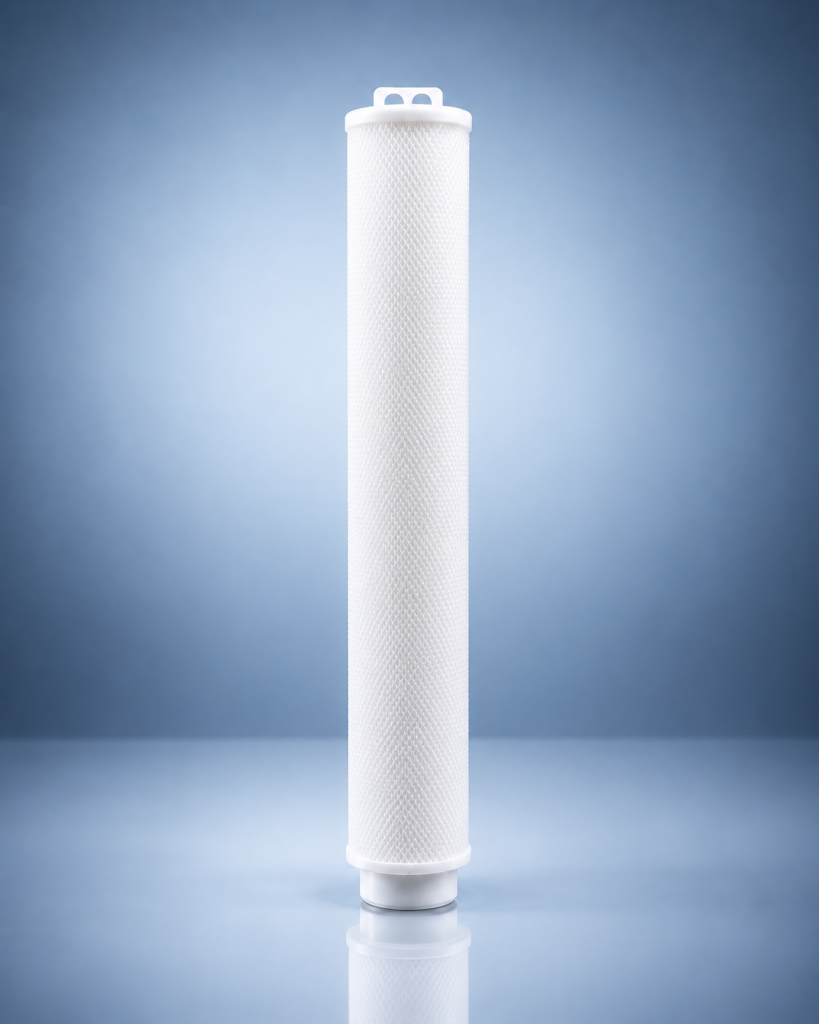
The PVDF pleated cartridge range covers 0.1–1 µm options and multiple end caps, while the PPH/PVDF housing page describes nonmetallic bag-housing reference models. Neither page alone proves that a particular 95°C electroless nickel assembly is suitable.
Boundary condition: final chemical compatibility must be confirmed against the buyer’s actual bath formulation and operating cycle. This article does not approve a material, pressure rating or filtration recipe for an unnamed electroless nickel chemistry.
What should a quotation include?
- General arrangement drawing, internal element interface and maintenance clearance.
- Wetted-material schedule for every component, including seals and instruments.
- Operating and design pressure at the stated maximum temperature.
- Element rating basis, dimensions, quantity and replacement access.
- Connection standard, size, drain, vent and installation orientation.
- Required material declarations, inspection records, pressure-test basis and packaging.
- Sample or pilot-trial plan when the bath-quality result has not been validated.
What is the inquiry path?
Start from the verified PPH/PVDF housing reference data, then use the filter housing inquiry form for a custom review. The useful request identifies the chemistry and every operating limit instead of asking only for a “PVDF filter.”
Frequently asked questions
Can a standard PPH housing be assumed suitable at 95°C?
No. The published PPH reference temperatures are 70°C or 90°C depending on model; a 95°C duty requires a different confirmed configuration.
Does PVDF automatically make the complete assembly metal-free?
No. Confirm the body, internals, fittings, instruments, seals and element components individually.
Is 0.03–0.09 m³/h within the published 12–40 m³/h reference range?
No. It is much smaller, so the supplier should review a compact or custom assembly and the pump/pressure-drop requirement.
 WhatsApp