
A high-flow filter housing should be selected from the real process conditions, not from cartridge count alone. Required flow, cartridge style, cartridge length, liquid viscosity, solids loading, micron rating, pressure, temperature, connection size and installation space all affect the final vessel design.
This guide explains how to size and specify a high-flow cartridge filter housing / filter element vessel for industrial liquid filtration, including 3M-, Pall- and Parker-style high-flow cartridge interfaces.
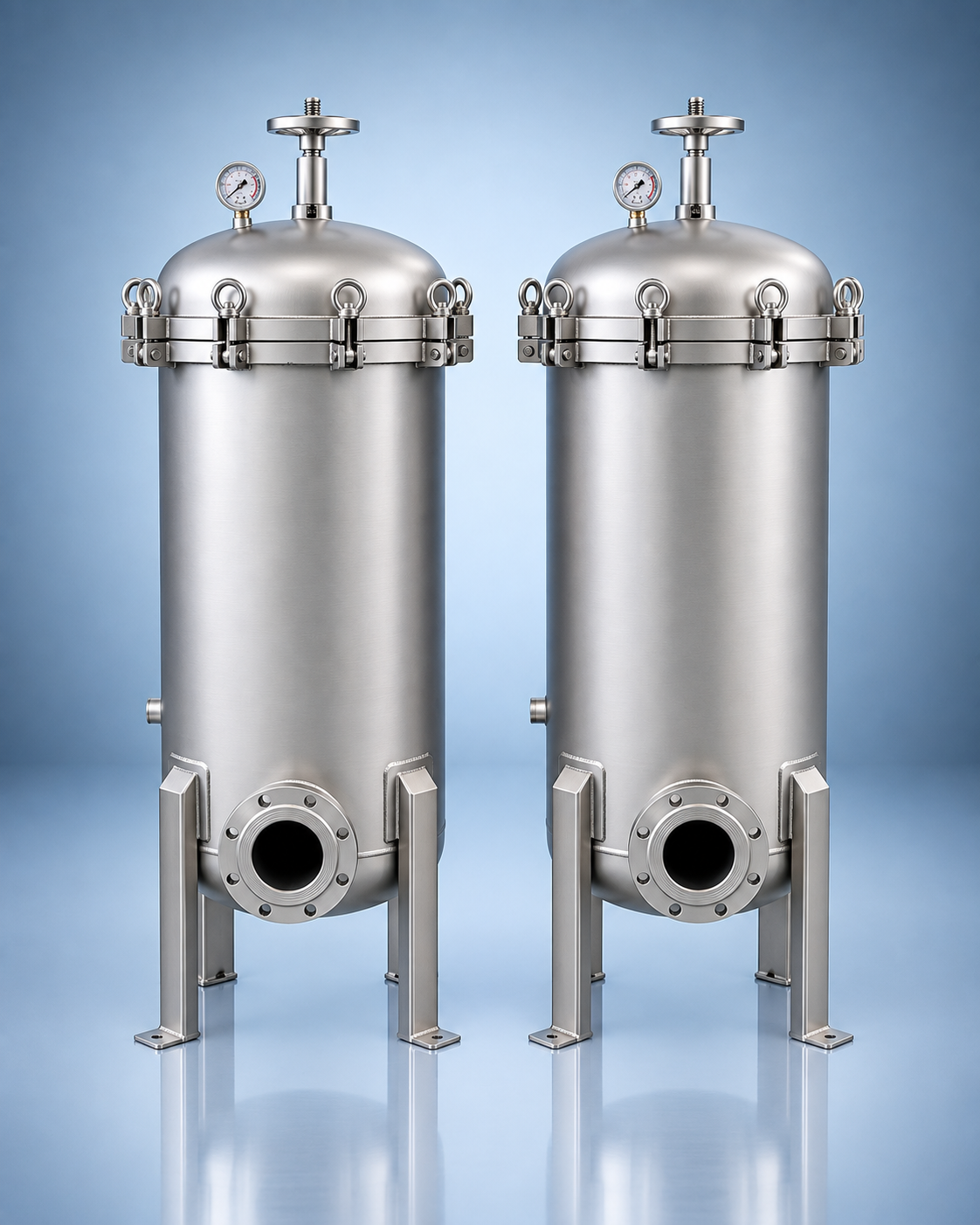
What Is a High-Flow Filter Housing?
A high-flow filter housing is a pressure vessel designed to hold large-diameter, high-surface-area filter cartridges. Compared with systems using many conventional slim cartridges, high-flow elements can reduce element count and simplify changeout in large-flow applications.
For the commercial product range, see High-Flow Filter Housing.
Start With the Process Data
Before selecting a vessel model, collect the following information:
- Required operating flow rate.
- Working liquid and chemical composition.
- Liquid density and viscosity.
- Normal and maximum temperature.
- Operating and design pressure.
- Target micron rating.
- Expected solids loading.
- Existing cartridge brand / model / interface.
- Required cartridge length.
- Available installation footprint and lifting clearance.
How Cartridge Quantity Relates to Flow
The current INCE filtration high-flow housing range includes configurations from 2 to 20 high-flow cartridges. The reference table on the product page uses a 3M-style interface example and lists reference flow values from approximately 60 T/H for a 2-cartridge vessel to 600 T/H for a 20-cartridge vessel.
These values are selection references, not universal guarantees. Actual flow depends on the liquid, cartridge media, micron rating, clean pressure drop, fouling rate, cartridge length and system piping.
| Reference Configuration | Reference Flow | Typical Selection Use |
|---|---|---|
| 2 cartridges | 60 T/H | Smaller high-flow systems or pilot / side-stream duties. |
| 4 cartridges | 120 T/H | Moderate industrial process flow. |
| 6 cartridges | 180 T/H | Medium-to-large water and process applications. |
| 10 cartridges | 300 T/H | Large-flow industrial filtration. |
| 16 cartridges | 480 T/H | High-capacity process and water-treatment systems. |
| 20 cartridges | 600 T/H | Very large reference flow applications. |
Use these values as a starting point only. Final sizing should be confirmed against the actual cartridge pressure-drop data and process conditions.
20, 40 or 60 Inch High-Flow Cartridges?
The current housing range supports 20, 40 and 60 inch high-flow cartridge lengths. Longer cartridges provide more filtration area per element, but they also affect vessel height, service clearance and lifting requirements.
When choosing cartridge length, consider:
- Required filtration area.
- Available plant height.
- Operator access for element changeout.
- Cartridge weight when wet.
- Transport and maintenance constraints.
3M, Pall and Parker Style Interfaces
High-flow cartridges are not defined only by diameter and length. The end geometry, sealing arrangement and adapter plate must match the cartridge family.
The INCE filtration housing specification includes adapter families for compatible:
- 3M-style high-flow cartridges.
- Pall-style high-flow cartridges.
- Parker-style high-flow cartridges.
- Custom cartridge interfaces after drawing confirmation.
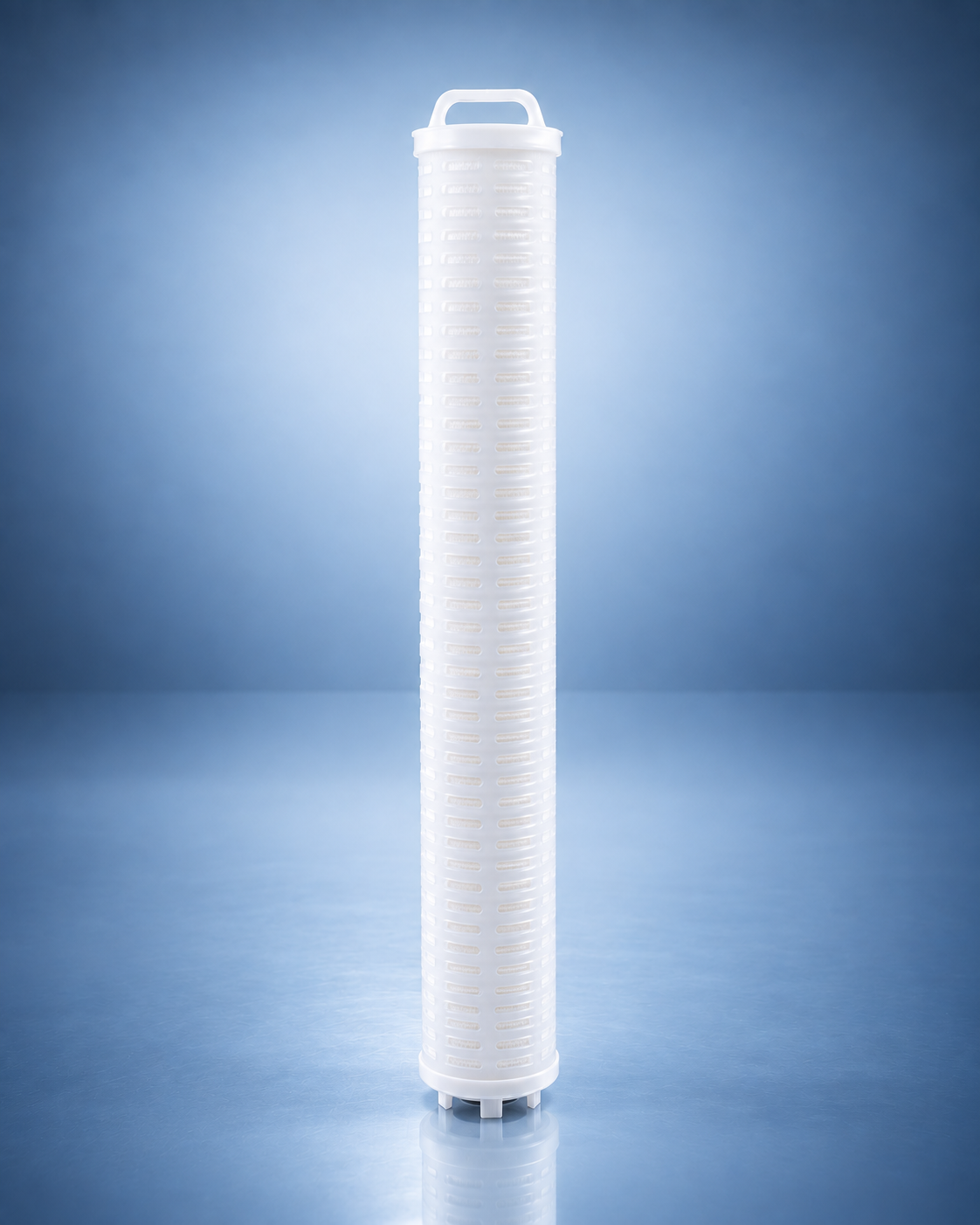
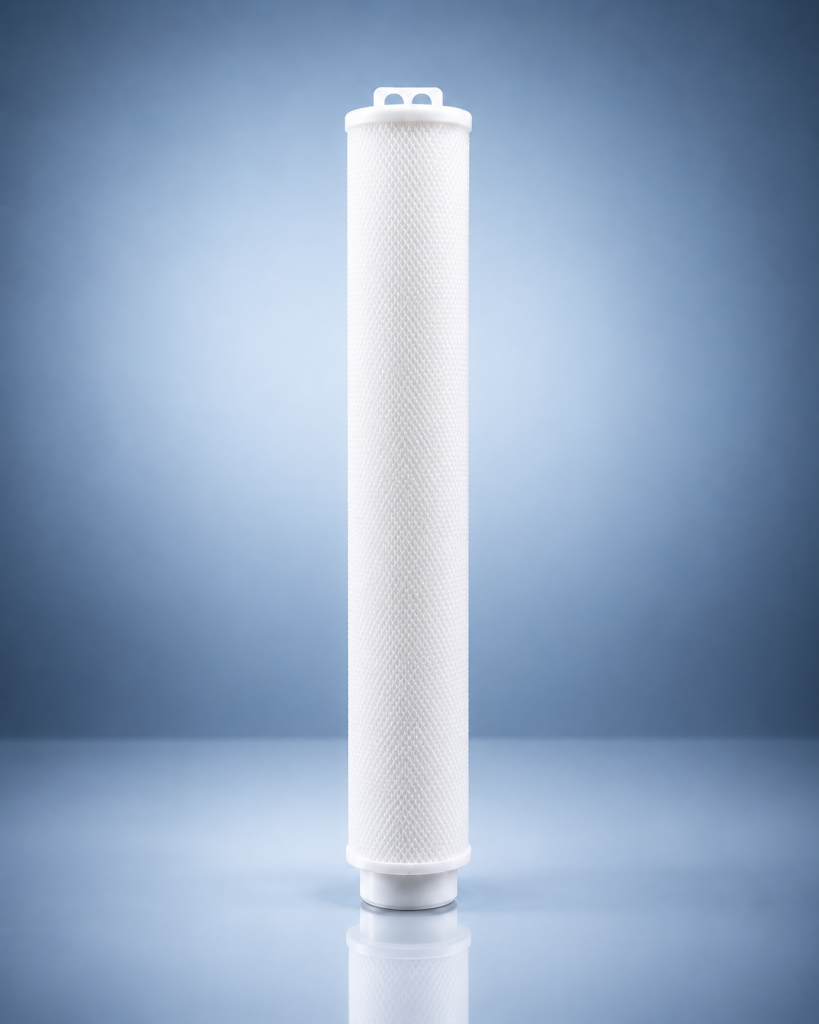
For brand-family product pages, see:
Housing Material: 304 or 316L Stainless Steel
The housing material should be selected according to process chemistry, temperature, corrosion conditions, cleaning method and project standards.
- 304 stainless steel: suitable for many general industrial and water applications when compatible with the process.
- 316L stainless steel: commonly selected for more demanding corrosion environments.
Final material selection should be confirmed against the actual liquid and operating conditions.
Connection Size Is Part of the Hydraulic Design
Increasing cartridge area without checking inlet and outlet sizing can create unnecessary velocity and pressure loss in the piping. The reference product range uses different flange sizes as cartridge quantity increases.
When requesting a quote, provide:
- Required pipe standard.
- Inlet and outlet nominal size.
- Flange / thread / sanitary connection requirement.
- Available nozzle orientation.
- Drain and vent requirements.
Vertical vs Horizontal Housing
The high-flow housing can be configured vertically or horizontally depending on plant layout and maintenance access.
Vertical design is common when floor space is limited and sufficient overhead clearance is available. Horizontal design can be useful where height is limited or where maintenance access is easier from the side.
Micron Rating Affects Vessel Performance
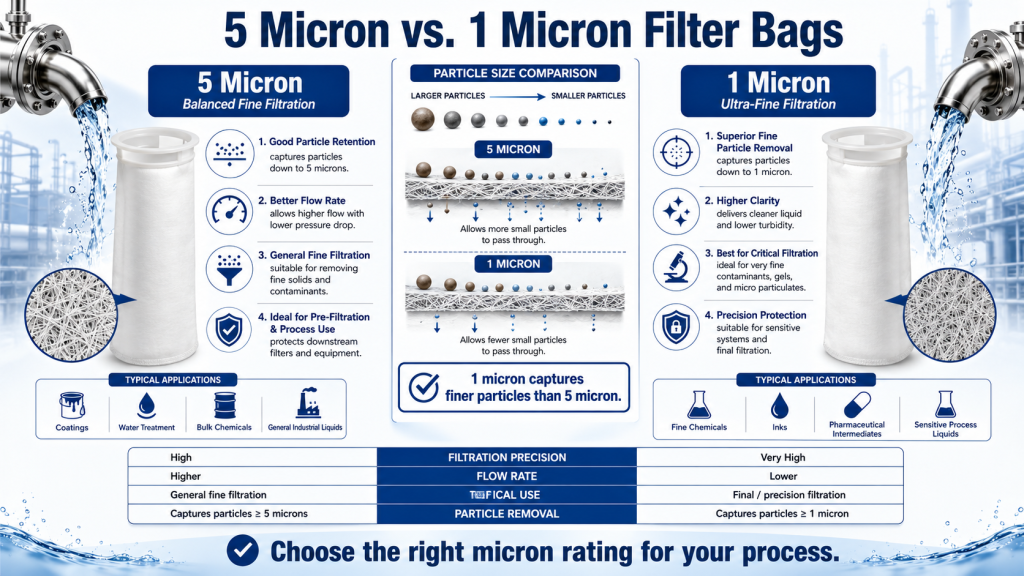
A vessel sized for one micron rating may perform differently if a much finer cartridge is installed later. Finer media can increase clean pressure drop and may load faster if the incoming solids concentration is high.
Always confirm:
- Target micron rating.
- Nominal or absolute retention requirement.
- Upstream solids loading.
- Desired cartridge service life.
- Maximum allowable differential pressure.
Should You Add a Pre-Filter?
If the high-flow cartridges are plugging too quickly, increasing cartridge quantity is not always the first solution. In high-solids service, an upstream bag filter, coarse cartridge stage or self-cleaning filter may reduce the load on the high-flow elements.
See also:
High-Flow Filter Housing RFQ Checklist
For an accurate engineering quotation, send:
- Required flow rate.
- Working liquid.
- Density and viscosity if known.
- Operating temperature.
- Operating / design pressure.
- Micron rating.
- Cartridge brand, model or drawing.
- Cartridge length: 20 / 40 / 60 inch.
- Required quantity of cartridges per vessel, if already specified.
- 304 or 316L housing material.
- Inlet / outlet size and connection standard.
- Vertical or horizontal arrangement.
- Seal material requirement.
- Required quantity of vessels.
- Installation drawing or available footprint.
Need a High-Flow Filter Element Vessel?
Send your flow rate, cartridge model, micron rating, liquid, pressure, temperature and connection requirements. INCE filtration can review the process and prepare a high-flow housing configuration and quotation.
Frequently Asked Questions
How many cartridges can a high-flow filter housing hold?
The current INCE filtration range includes reference configurations from 2 to 20 high-flow cartridges.
Can one housing use 3M, Pall and Parker cartridges interchangeably?
Not automatically. The adapter plate, sealing arrangement and cartridge geometry must match the selected cartridge family. Confirm the exact model before ordering.
How do I choose the correct cartridge quantity?
Use flow rate as a starting point, then confirm cartridge pressure drop, micron rating, liquid viscosity, solids loading, cartridge length and desired service life.
What cartridge lengths are supported?
The current product specification lists 20, 40 and 60 inch high-flow cartridges.
Can the housing be customized?
Yes. Cartridge interface, quantity, length, vessel diameter, orientation, connections, drain, vent, support and lifting arrangement can be customized after engineering review and drawing approval.
3M, Pall and Parker are trademarks of their respective owners. Brand references are used to identify cartridge interface and replacement compatibility requirements; INCE filtration is not presented as the original trademark owner.
 WhatsApp