Short answer: specify a custom nylon mesh pump suction screen as a finished OEM component, not as “nylon mesh, 200 micron.” The supplier needs the accepted mesh opening or fabric reference, finished geometry, edge/seam construction, support method, liquid and temperature, suction or differential-pressure condition, cleaning method and a fit or first-article acceptance plan.
Send aperture or retained-particle target, PA grade if fixed, drawing/CAD, finished dimensions and tolerances, edge or seam construction, support interface, liquid, temperature, quantity, sample requirement and destination.
What Is the Buyer Actually Purchasing?
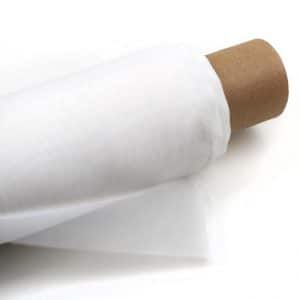
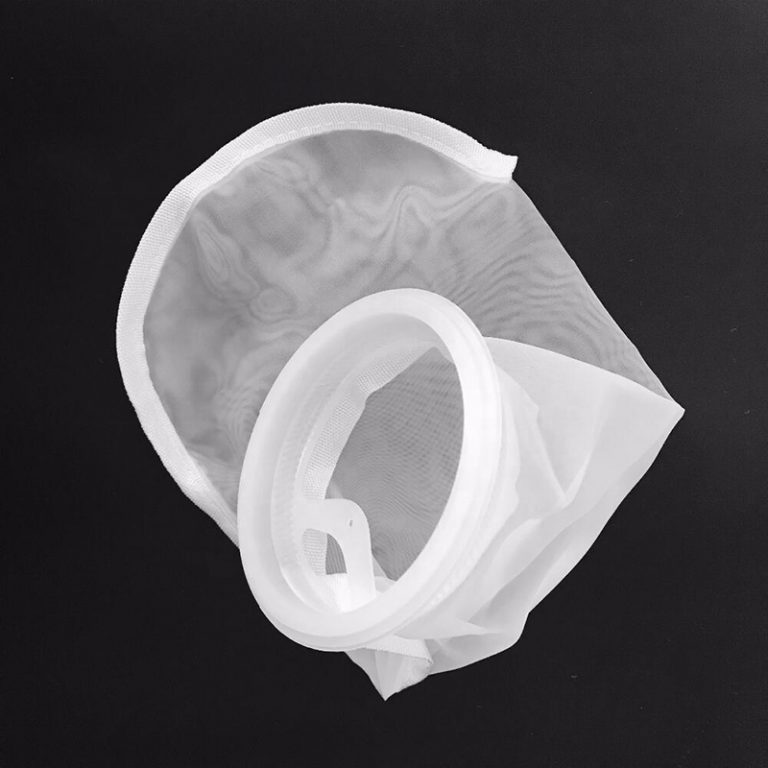
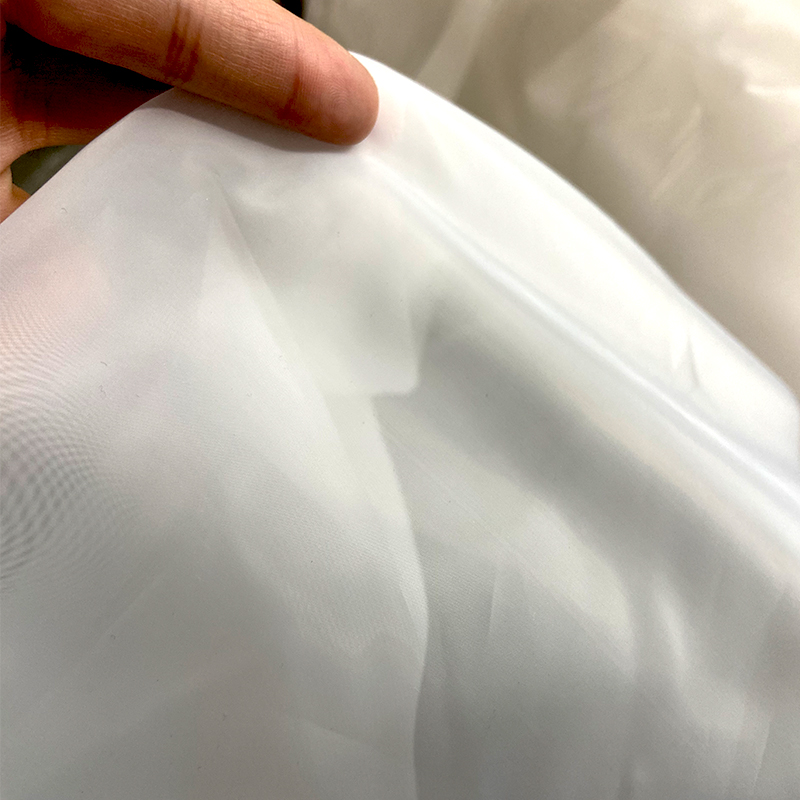
The commercial item may be a flat screen, sewn sock, cylindrical insert, basket liner, formed cover or drawing-based component. The INCE custom filter mesh page lists cut, sewn and formed products in nylon, polyester and stainless steel. The correct construction depends on how the part is retained and whether the mesh itself must carry load.
| RFQ field | What to define | Risk if omitted |
|---|---|---|
| Filtration target | Finished opening or approved mesh reference; particle to retain and acceptable bypass | “Micron” can be interpreted differently from an actual woven opening. |
| Finished geometry | Shape, OD/ID, length, depth, flange or cuff and orientation | The screen may not fit the suction cage or mating part. |
| Edge and seam | Hem, binding, overlap, stitch or weld location; allowed protrusions | Fraying, bypass or interference at the seat. |
| Support | Back-up basket, frame, perforated core and unsupported span | Mesh can deform when differential pressure or debris load increases. |
| Service | Liquid composition, temperature, cleaning chemicals and cleaning cycle | Polymer compatibility and dimensional stability cannot be reviewed. |
| Approval | Drawing revision, first article, measurement report and flow/fit trial | A bulk order can repeat an unverified fit. |
When Nylon Mesh Is a Reasonable Candidate
Nylon monofilament mesh can be considered when a flexible, cleanable woven screen with a defined opening is required. It is not automatically correct for strong oxidizers, elevated temperature, high mechanical load or applications that need a rigid metallic structure. Provide actual conditions so INCE can compare nylon filter mesh with polyester or stainless alternatives.
First-Article Approval Checklist
- Verify material and accepted fabric reference.
- Measure the agreed finished dimensions and interface.
- Inspect seams, edges, fraying, holes and contamination under the agreed method.
- Install on the actual or representative mating part to check fit and bypass paths.
- Run a controlled clean-flow and debris-loading trial using the buyer’s acceptance criteria.
- Freeze the drawing revision, sample identity, label and packaging for repeat orders.
Attach drawing/CAD or a dimensioned sketch plus material, opening, thread/fabric reference if known, service liquid, temperature, support, seam/edge details, tolerances, quantity, first-article plan and destination.

Commercial Route
Use industrial filter mesh to compare material families, custom filter mesh fabrication for OEM conversion, and the RFQ form to submit the drawing and service data. This long-tail procurement guide is intentionally separate from the core nylon mesh product page.
Send opening or fabric reference, drawing, tolerances, seam/edge, support, liquid, temperature, quantity, first-article plan and destination.
Frequently Asked Questions
Can a buyer specify a pump suction screen only by micron rating?
No. The RFQ should define finished opening or accepted fabric reference, screen dimensions, edge or seam construction, supported and unsupported areas, liquid, temperature, pressure or suction condition, cleanability and required flow performance.
Is nylon mesh suitable for every pump suction duty?
No. Nylon must be reviewed for the liquid, temperature, cleaning chemicals, mechanical loading and required rigidity. Stainless steel or another material may be more appropriate for some duties.
What drawing details are most important for a custom nylon mesh screen?
Provide the finished shape, OD and ID or length and width, depth, seam location, edge treatment, attachment method, tolerances, orientation, marking, quantity and packaging. Include a photo or mating-part drawing when fit is critical.
 WhatsApp