
Direct answer: a bag filter can be evaluated as a coarse bulk-diesel prefilter for suspended solids, but it should not be assumed to replace a dedicated water separator or the high-efficiency final filtration required by modern fuel systems. A safe RFQ must define fuel grade, contamination, water condition, target cleanliness, flow, viscosity, temperature, electrical classification and the downstream protection stages.
Planning a bulk-fuel prefilter trial?
Send fuel grade and biodiesel blend, flow, inlet contamination, free/emulsified water condition, target particle removal, operating temperature, pressure, tank arrangement, required cleanliness code and site electrical/grounding requirements. INCE will review whether a bag stage is appropriate before quoting.
What can a bag filter do in a diesel polishing train?
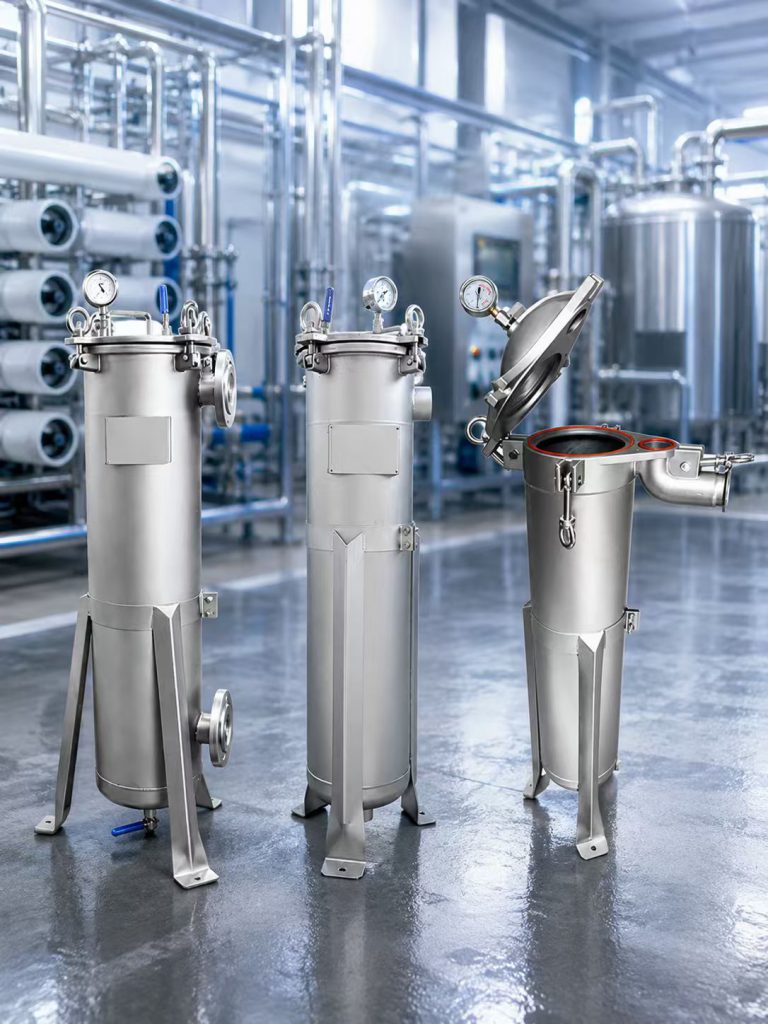
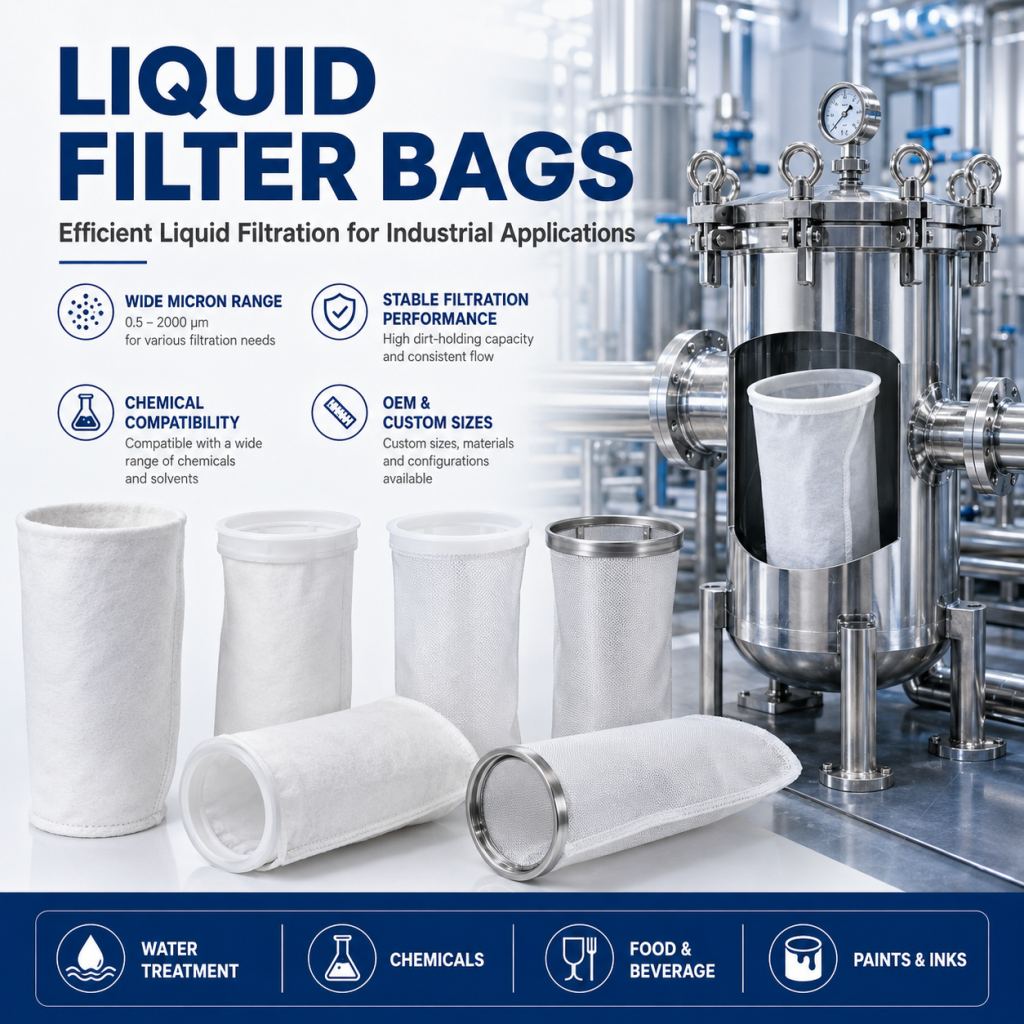
A liquid filter bag is best considered where the duty is bulk solids capture and economical prefiltration. It may help protect a finer downstream element by removing rust, scale or other larger debris. It does not inherently coalesce or absorb water, and a nominal bag rating is not equivalent to the absolute efficiency requirements used for engine fuel protection.
Donaldson’s public clean-diesel guidance separates bulk-tank inlet filtration, storage protection, point-of-use polishing, water removal and final equipment protection. Its guidance emphasizes clean, dry fuel and dedicated filtration strategies. That is why a buyer should describe the whole train rather than request “a 10-micron bag” in isolation. See Donaldson clean diesel best practices.
| Duty | Bag stage assessment | What to specify |
|---|---|---|
| Coarse particulate prefilter | Potentially suitable after compatibility and hazard review | Particle distribution, solids load, bag efficiency basis and changeout criterion |
| Free or emulsified water removal | Do not assume a standard bag performs this duty | Dedicated water-separation/absorption requirement and allowable downstream water |
| Final engine protection | Not a substitute for the OEM-specified final filter | Engine OEM requirement, absolute efficiency and cleanliness target |
| Tank kidney-loop cleanup | Possible as one stage in a designed loop | Tank volume, turnover time, suction/return locations and downstream polishing element |
What must be checked before quoting fuel service?
- Chemical compatibility: identify diesel grade, biodiesel percentage, additives and cleaning fluids. Do not select PP, polyester or nylon from a generic chart alone.
- Hazard controls: the owner and qualified engineer must define hazardous-area classification, bonding, grounding, ventilation, fire protection and applicable codes. A filter supplier’s quotation is not a site safety design.
- Pressure and temperature: give normal, maximum and upset conditions for the complete housing assembly.
- Efficiency language: specify nominal versus absolute and the required test method. A micron number without efficiency is incomplete.
- Water condition: distinguish sediment, free water and emulsified water. These require different technologies.
- Changeout logic: provide clean differential pressure, allowed terminal differential pressure or a monitored service criterion rather than a fixed calendar interval.
Build a staged quotation, not a single-micron guess
Share the process diagram and downstream filter requirement. INCE can quote an industrial bag or housing stage only after the duty, materials and interfaces are defined; water separation and engine-final filtration should remain explicitly identified.
How should a trial be structured?
- Take representative inlet samples and identify solids and water conditions.
- Define what the bag stage is expected to remove and what it is not expected to remove.
- Record flow, temperature, clean differential pressure and downstream cleanliness.
- Inspect captured debris and watch for swelling, softening, seam damage or seal bypass.
- Keep the downstream water separator and OEM final filter in service.
- Approve production only after repeatable results and a documented materials review.
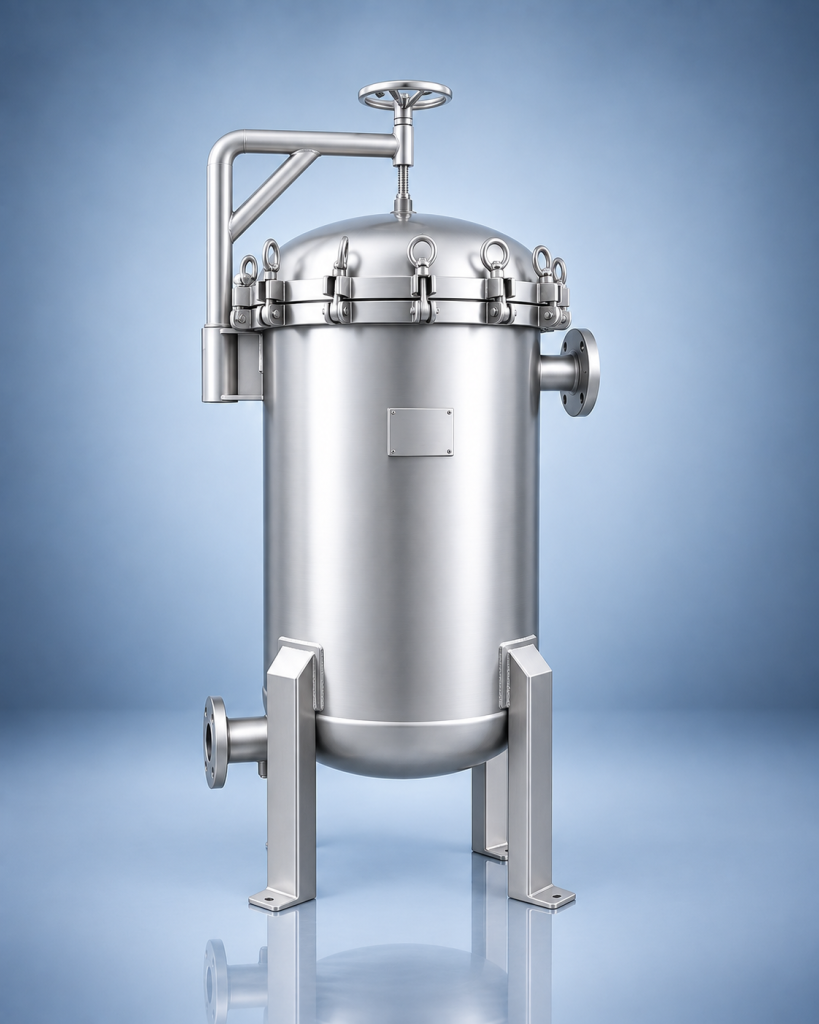
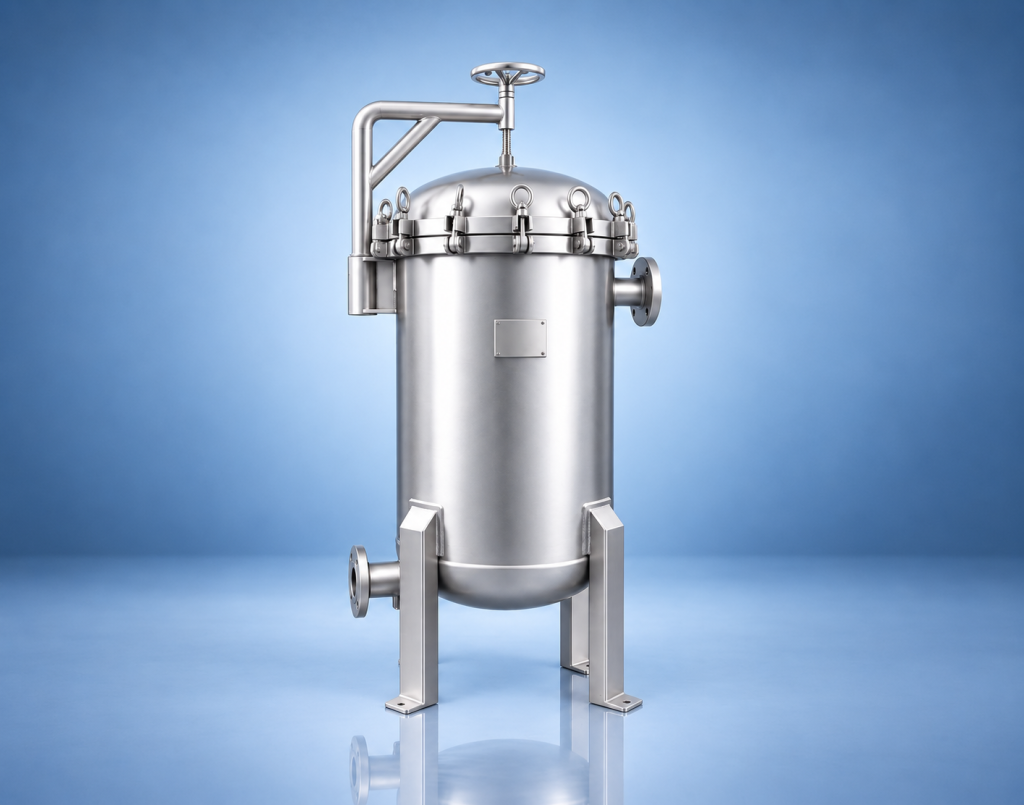
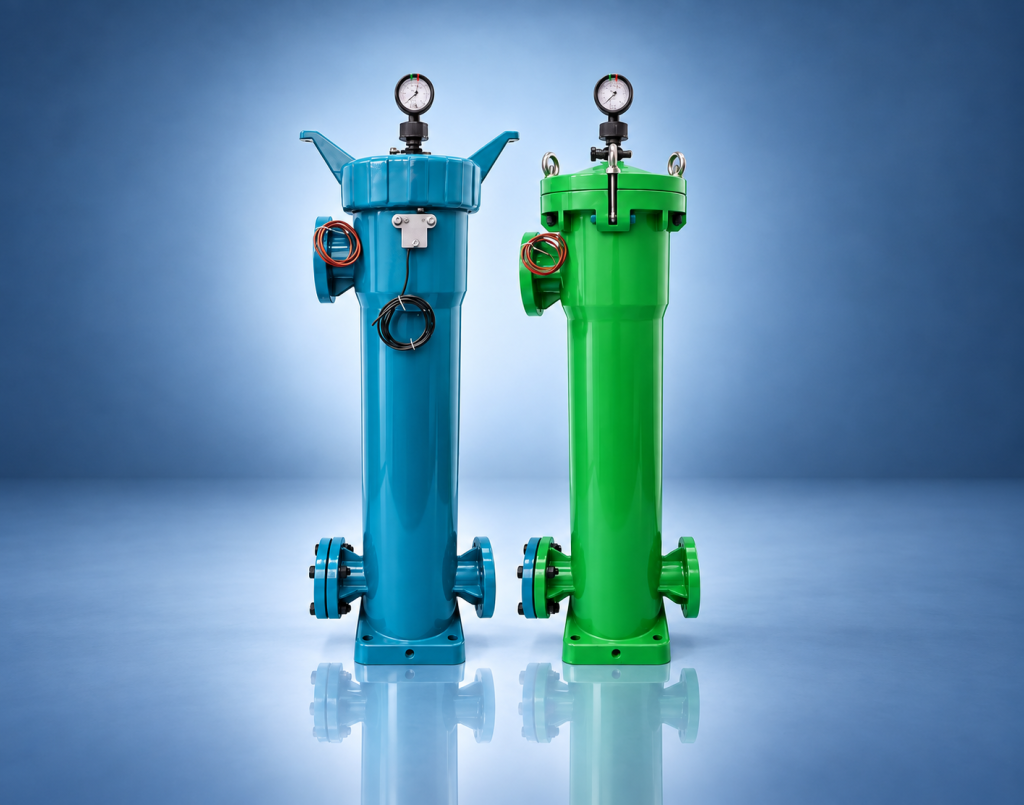
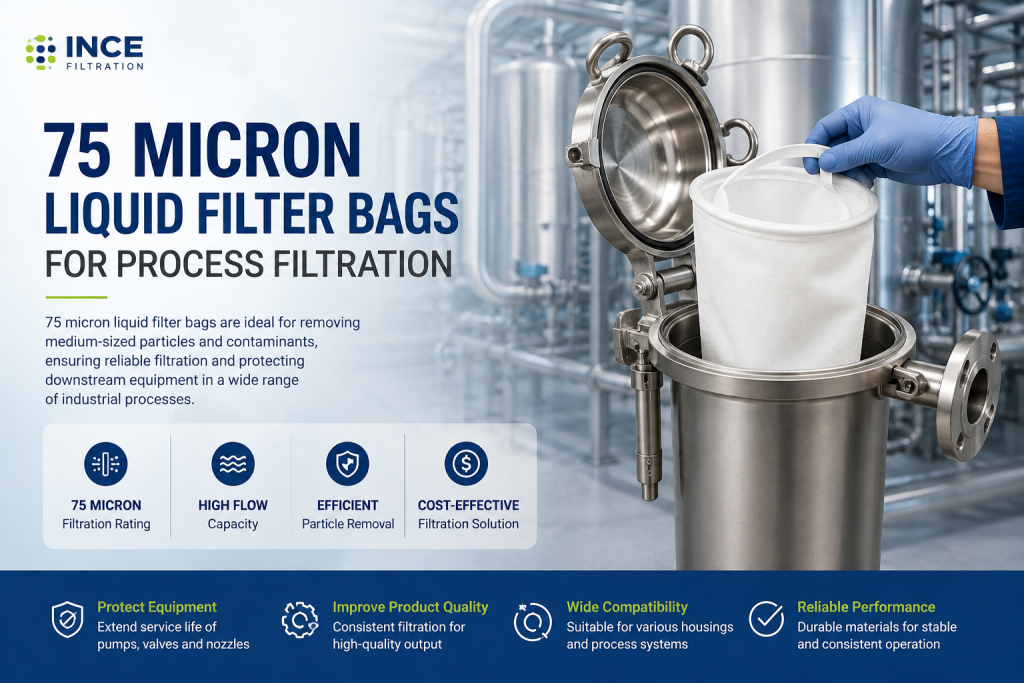
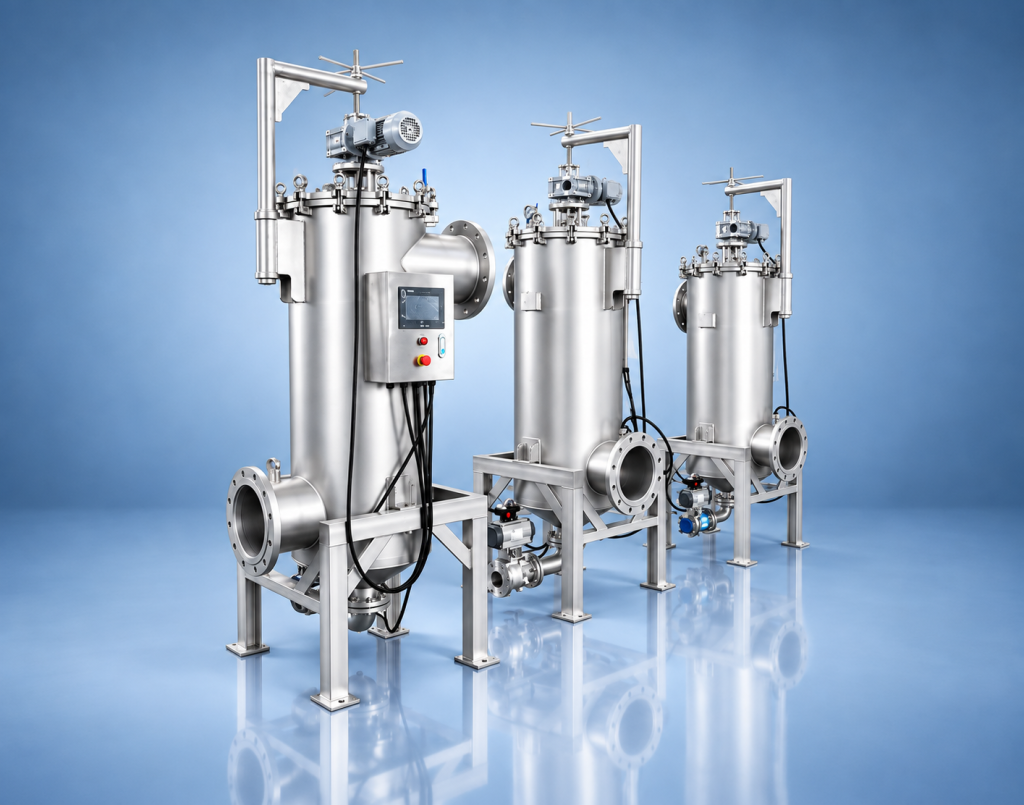
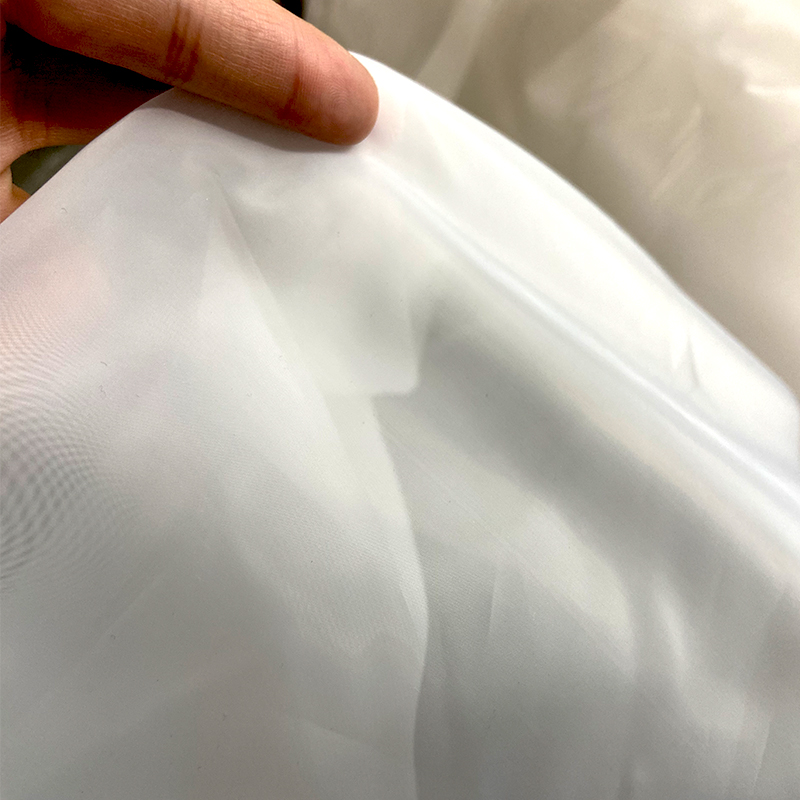
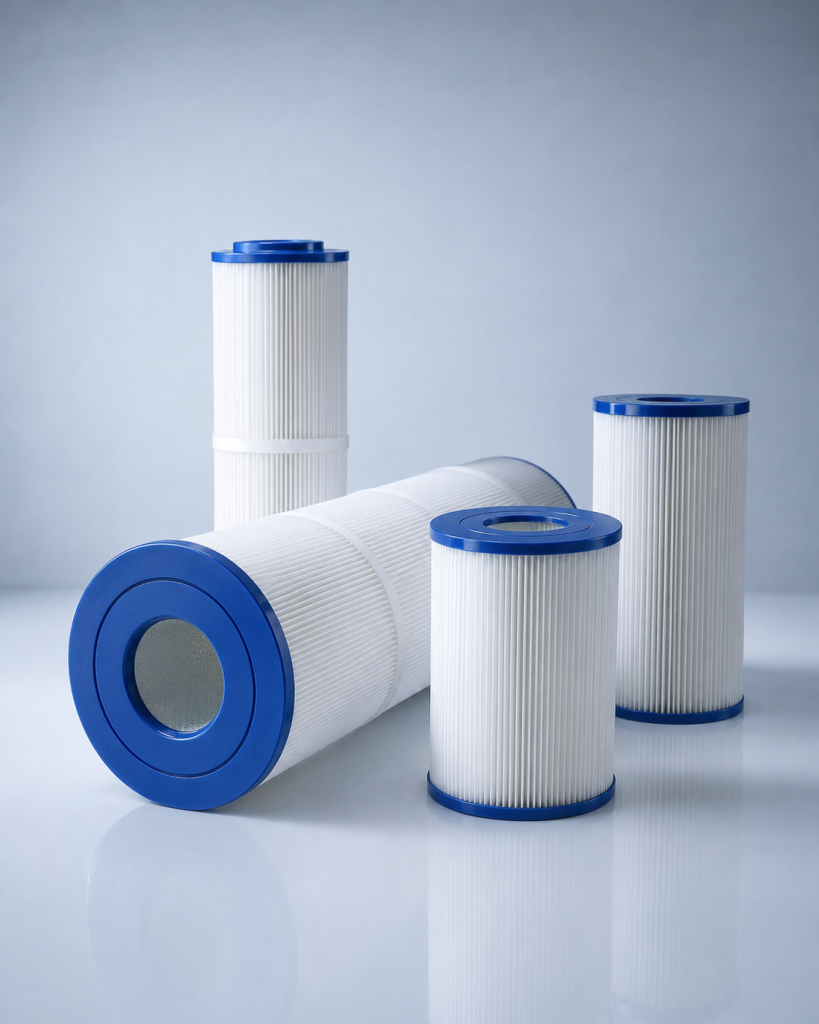
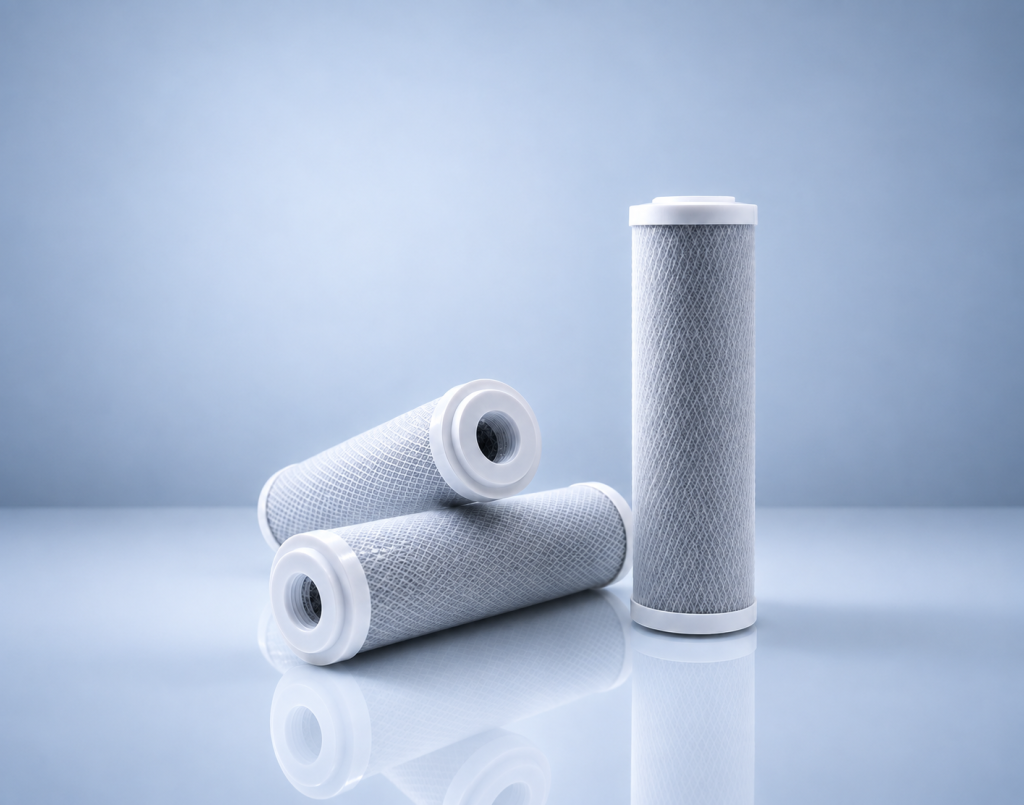
Review industrial liquid filter bags, single-bag housings and multi-bag housings. These are commercial starting points, not a declaration that every model is approved for diesel service.
Frequently asked questions
Can a standard bag filter remove water from diesel?
Do not assume it can. Standard liquid filter bags are primarily particulate filters; free and emulsified water normally require purpose-designed separation or absorption technology.
What micron bag should I use for diesel fuel?
A micron value cannot be selected responsibly without solids distribution, efficiency basis, flow, viscosity, target cleanliness and the downstream filtration plan.
Can a bag filter replace the engine OEM fuel filter?
No. Keep the OEM-specified primary and final protection in place unless the engine manufacturer approves a change.
Send the complete duty for review
Include fuel/biodiesel grade, tank volume, flow, contamination, water condition, target cleanliness, operating limits, housing connection, quantity and destination. INCE will identify the information still needed before a commercial offer.

 WhatsApp