
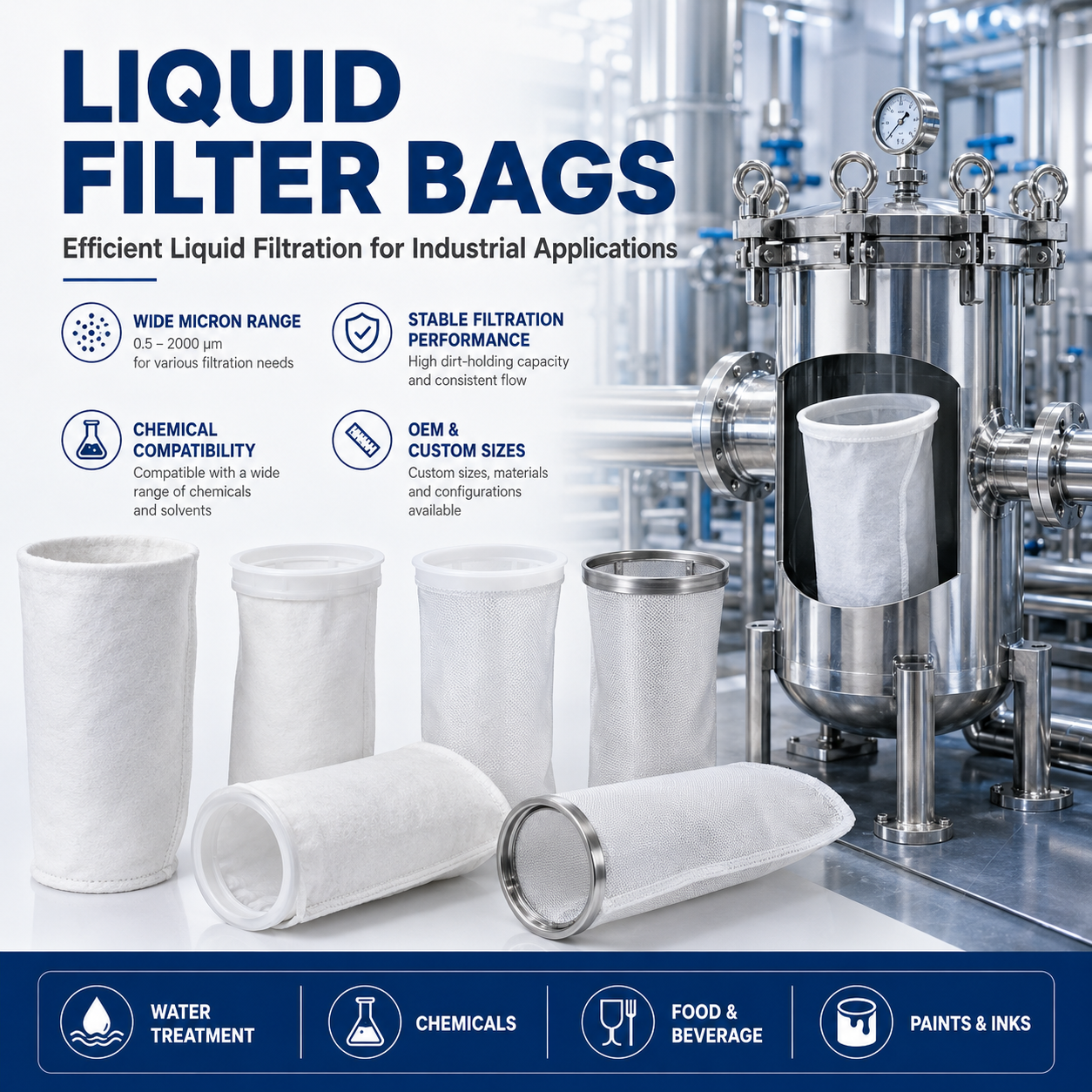
Direct answer: plan a printing ink or resin filter bag trial around the contaminant that must be removed without stripping required pigment, filler or additive. The RFQ should define chemistry, viscosity, temperature, batch volume, current filtration step and acceptance criteria before selecting a bag.
Send the ink or resin type, complete solvent/chemical composition, temperature, viscosity, batch volume or flow, current filter, unwanted particles, target result, housing size, trial quantity and destination.
Why this is a purchasing question—not only a micron question
A smaller micron number may increase pressure drop or remove material the process needs to retain. A coarse bag may protect a pump or catch skins and agglomerates but may not meet a final-polishing objective. The buyer therefore needs a trial plan tied to the process stage.
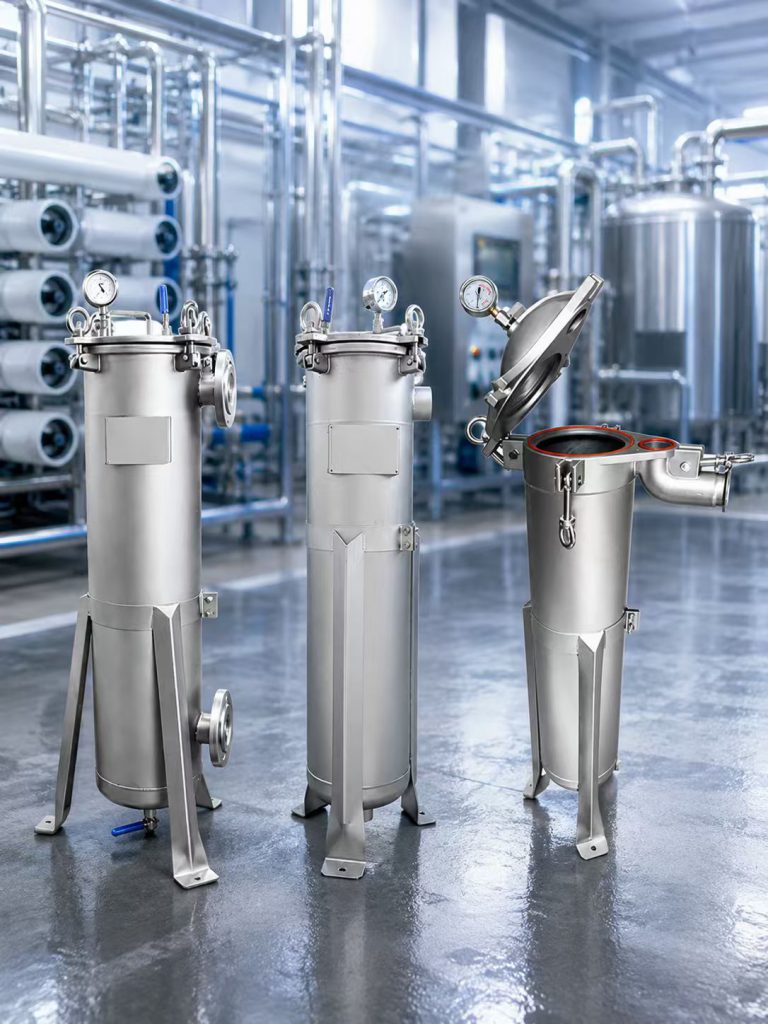
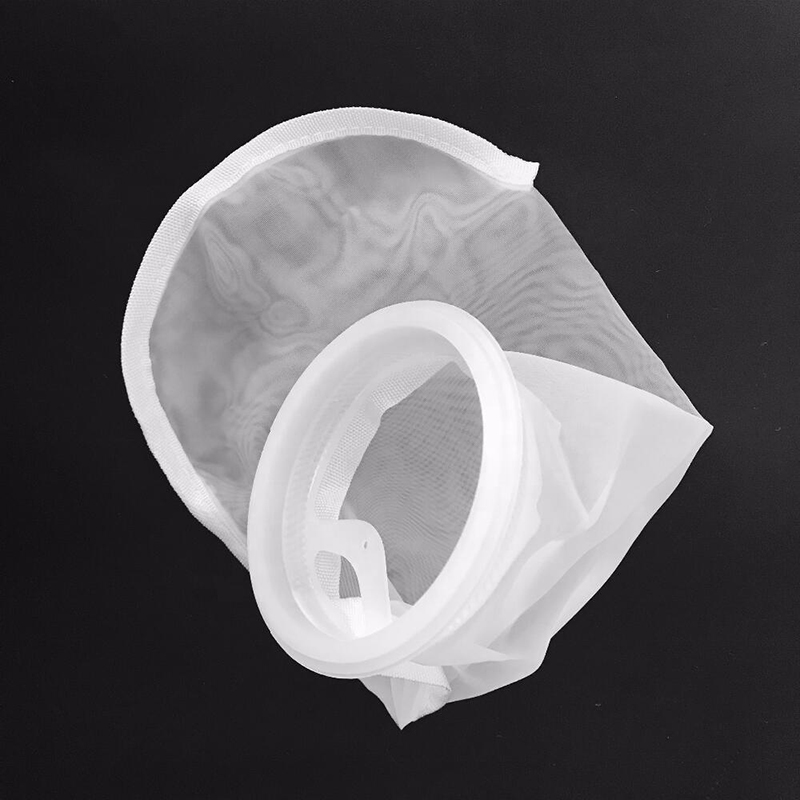
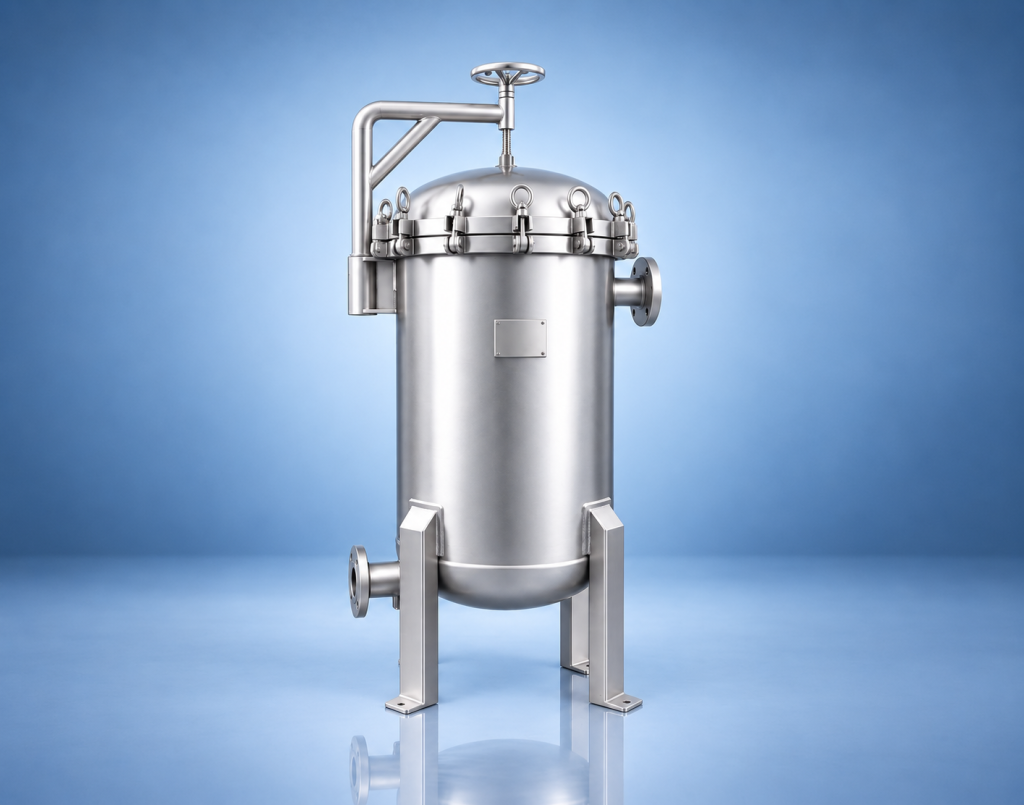
INCE supplies PP filter bags, polyester filter bags, nylon mesh filter bags, and compatible single-bag or multi-bag housings. Material selection remains conditional on the buyer’s full process data.
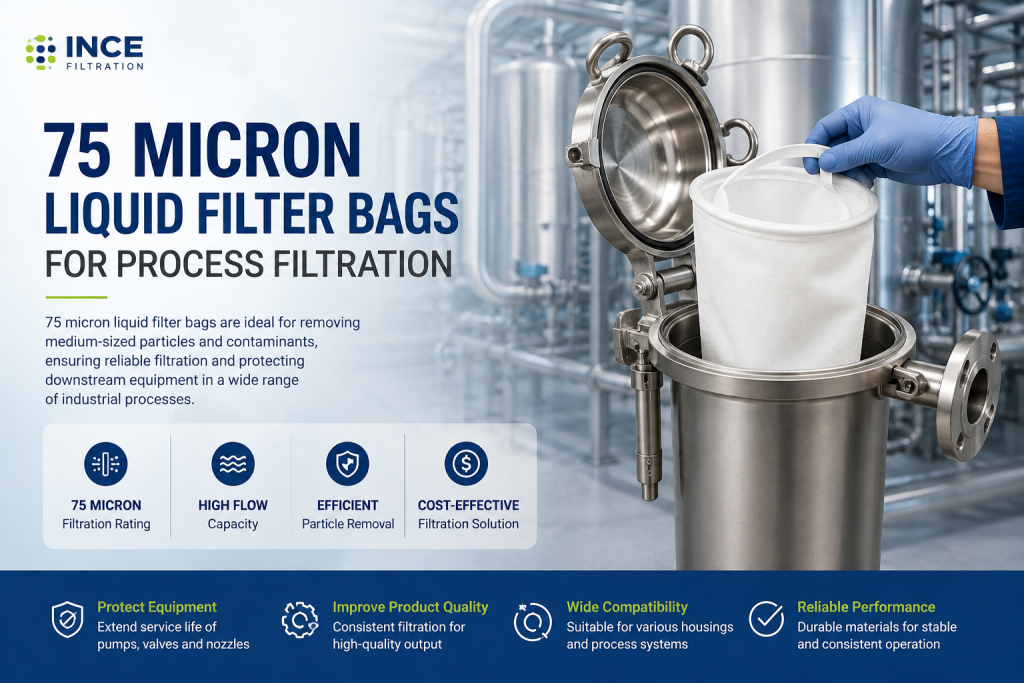
Define the trial point and objective
| Process point | Possible objective | Data needed in the RFQ |
|---|---|---|
| Raw material or resin transfer | Catch packaging debris, skins or coarse contamination | Liquid chemistry, viscosity, temperature, transfer rate and particle description |
| Mixing or let-down | Remove agglomerates while retaining intended formulation components | Required product composition, current screen/bag and acceptable retained material |
| Filling line | Protect nozzles and reduce visible defects | Filling rate, acceptable pressure drop, product quality criterion and batch size |
| Cleaning or solvent recovery | Remove solids from cleaning fluid | Cleaning chemicals, solids load, reuse objective and disposal requirements |
Material and construction questions for the supplier
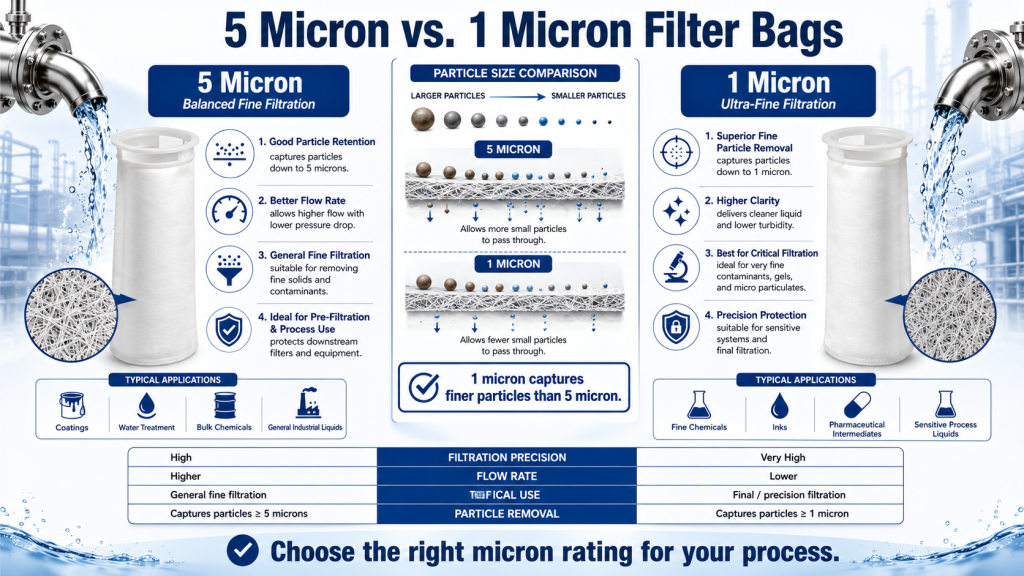
- Is the buyer requesting PP, polyester, nylon mesh or another material?
- Is the filtration rating nominal, absolute or based on a named efficiency method?
- Is a felt depth medium or a woven mesh surface medium more appropriate for the solids?
- Does the ring/collar match the actual housing and restrainer basket?
- Is the required construction sewn or welded, and are fiber-release controls specified?
- Will the bag see solvents, elevated temperature or aggressive cleaning chemicals?
Related guidance: needle felt versus monofilament mesh, 75/100/150 micron selection, and change-out by differential pressure.
Trial data that helps a buyer scale the order
- Batch volume or steady flow and trial duration
- Starting and ending differential pressure
- Temperature and viscosity at the filter
- Observed solids retained and product quality result
- Bag condition, change-out method and operator observations
- Number of bags consumed per batch or operating period
INCE can review a sample or production quotation after the material, micron, size, ring, quantity and complete process conditions are supplied. A trial result should be approved by the buyer before scale-up.
Technical reference: Eaton publicly lists printing ink, resins, dispersions and coating processes among filter-bag applications, while also emphasizing material and process selection. Review the application reference. This is general industry evidence, not an INCE performance guarantee.
Buyer FAQ
Which micron bag should be used for printing ink?
There is no universal micron value. Start with the contaminant to remove, acceptable pigment or additive loss, viscosity, current screen or filter, and downstream quality requirement.
Is polypropylene always suitable for ink and resin?
No. Suitability depends on the complete solvent or resin composition, concentration, temperature and cleaning chemicals. Confirm chemical compatibility before a trial.
What makes a trial useful for a quotation?
Record batch volume, viscosity or temperature, flow, starting and ending pressure drop, solids retained, filtrate quality, bag condition and change-out time.
 WhatsApp