
Bag filter change-out should be based on the approved filter-system limits and process acceptance criteria, not on the inlet pressure alone. Differential pressure is the pressure difference between the dirty and clean sides. Operating pressure describes the pressure at a particular location in the system. They answer different questions.
This guide helps maintenance and purchasing teams prepare a replacement-bag specification and useful operating records. It does not prescribe a universal change-out setpoint or replace the housing manufacturer’s instructions.
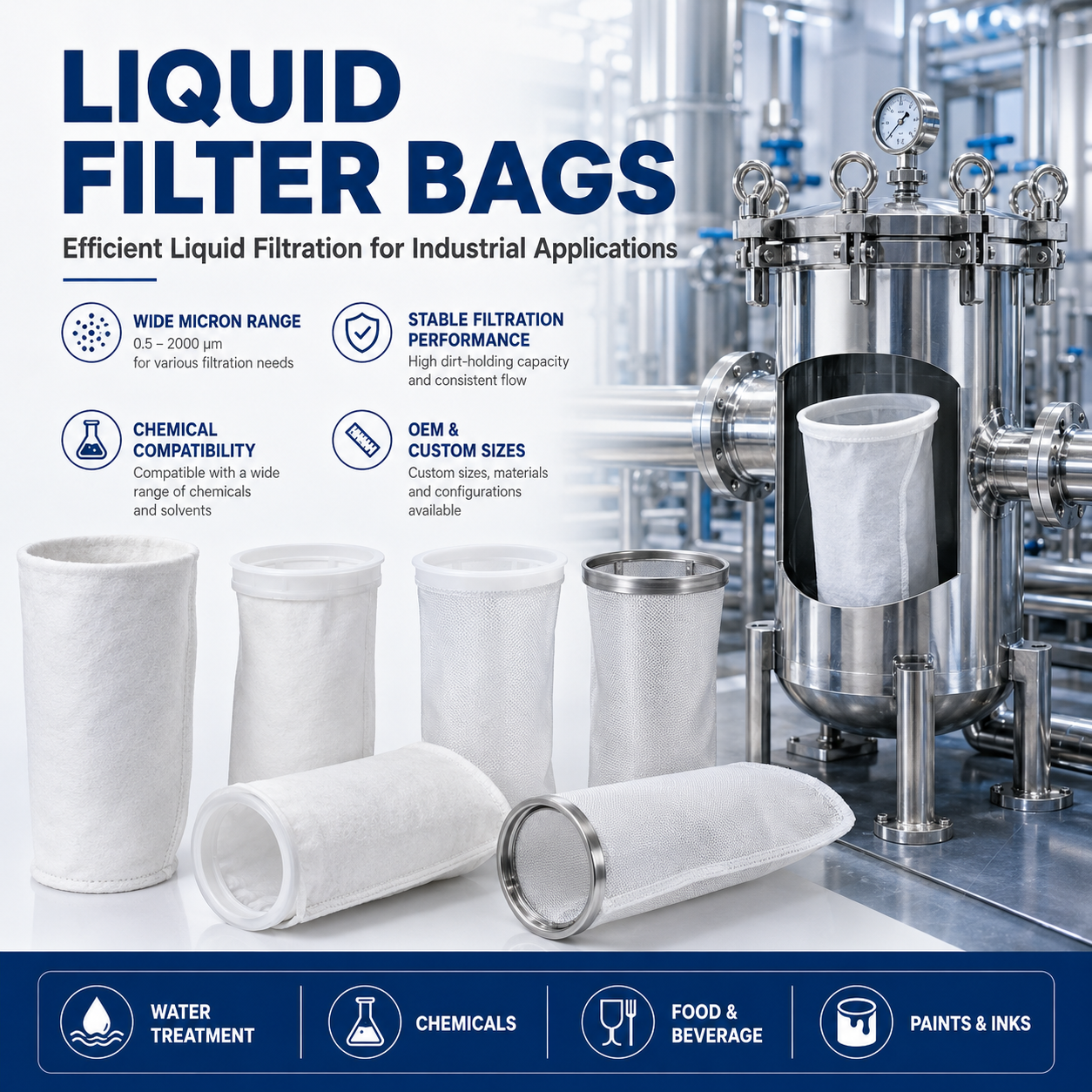
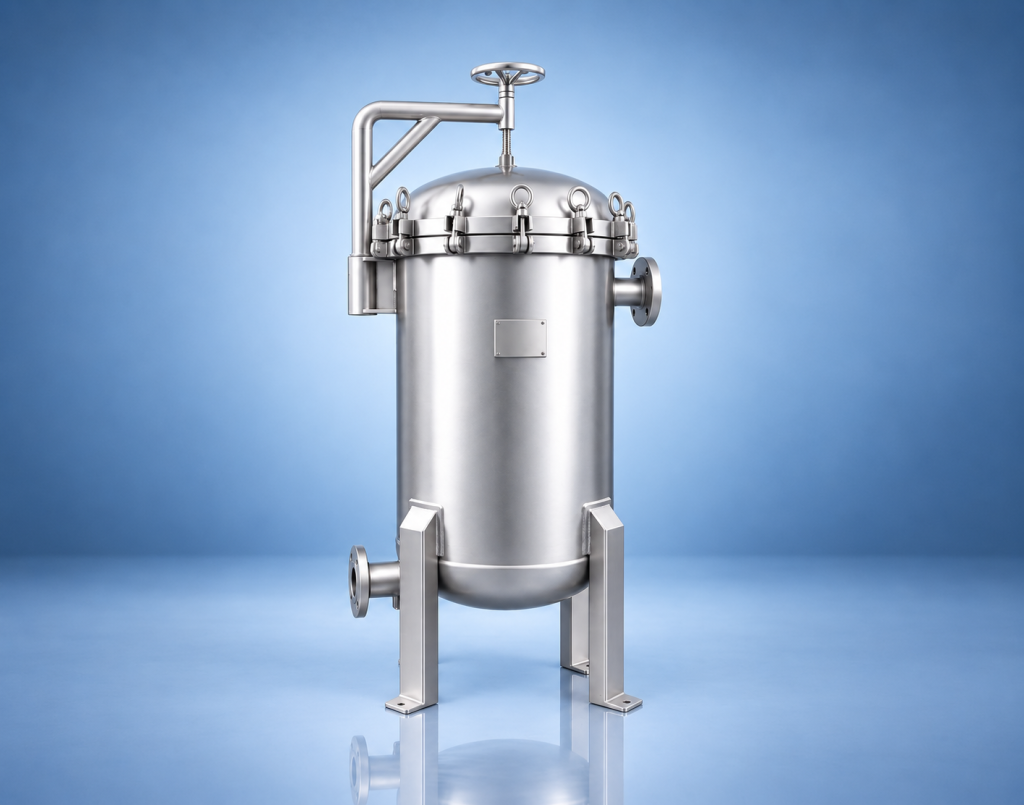
Representative liquid filter bags and housing. Confirm the current model’s media, construction and pressure limits; the illustration is not an operating specification.
Three pressure terms to keep separate
| Term | Meaning | What to request |
|---|---|---|
| Operating pressure | Pressure at a stated point during service | Normal and peak pressure, measurement location and temperature |
| Differential pressure, ΔP | Upstream pressure minus downstream pressure across the stated boundary | Pressure-tap locations and readings taken under the same operating condition |
| Housing and element limits | Separate allowable limits for the vessel, bag, basket and other components | Model-specific documentation and the approved operating envelope |
A vessel’s allowable pressure is not the same as an element’s allowable differential pressure. A bag can encounter excessive differential pressure without the inlet gauge approaching the vessel’s pressure rating. Conversely, a low differential pressure does not demonstrate that vessel pressure is safe.
Calculate the difference before choosing a setpoint
For a simple arithmetic example, upstream pressure of 3.0 bar and downstream pressure of 2.6 bar give ΔP = 3.0 − 2.6 = 0.4 bar. These are illustrative readings, not recommended operating conditions or an INCE change-out threshold. The units and pressure reference must be consistent.
Confirm what the instrument actually measures. Readings across a wider piping section may include losses in fittings or valves, not only the bag. Gauge accuracy, unequal reading times and pressure-tap condition can also affect the calculated result. Ask the site’s qualified personnel to review the measurement arrangement.
Why one universal replacement number is unreliable
Media grade, bag construction, support basket, flow, liquid viscosity, temperature and solids loading all affect the operating decision. Eaton’s SENTINEL product information, for example, lists recommended change-out differential pressure separately from maximum differential pressure. That distinction is useful; its product-specific values must not be copied onto another bag.
Use the limits applicable to the selected bag and the complete assembly. A maximum differential-pressure value is not a target to reach before every change. Quality, contamination or batch-control criteria may require earlier replacement. A fixed calendar interval can help planning, but does not establish safe remaining capacity.
Record comparable conditions, not isolated gauge readings
Establish the accepted clean-system baseline at the relevant flow and liquid condition. During service, log the same variables so changes are interpretable. Comparing a cold, viscous batch with a warmer batch at a different flow can make pressure-drop history misleading.
- Record upstream and downstream pressure, units and time.
- Record flow, liquid temperature and viscosity information where available.
- Identify the bag model, micron-rating basis, media, size and installation date.
- Note batch, estimated solids load and any change in downstream quality.
- Keep the approved change-out criteria with the maintenance record.
If differential pressure drops unexpectedly while flow remains similar, do not automatically conclude that the bag has cleaned itself. Instrument issues, changed process conditions or an unintended flow path need investigation. Follow the site’s approved response and isolation procedure; never open a pressurized housing to investigate.
Turn the log into a better replacement-bag RFQ
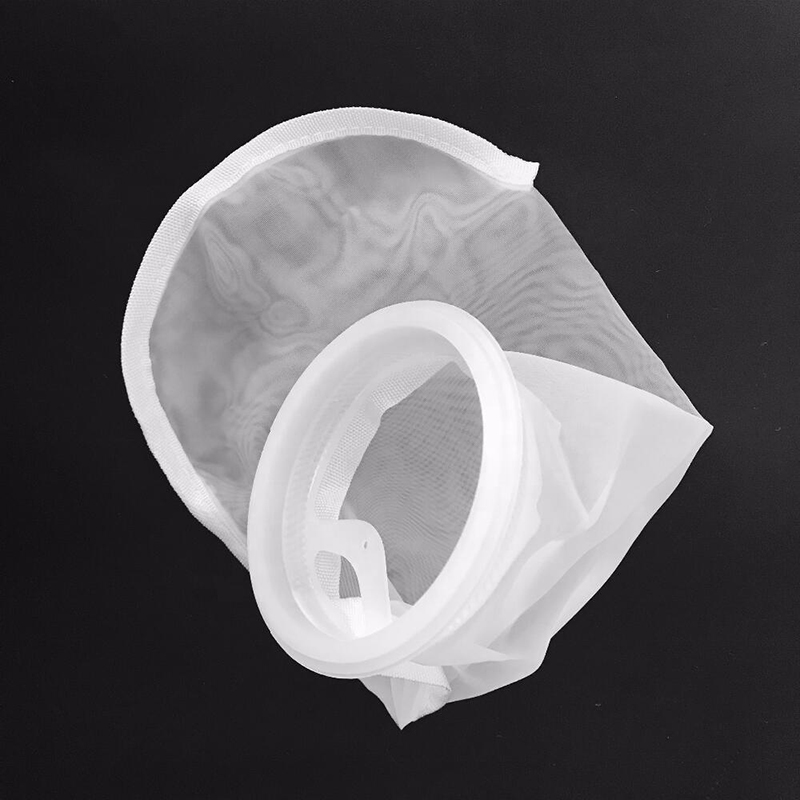
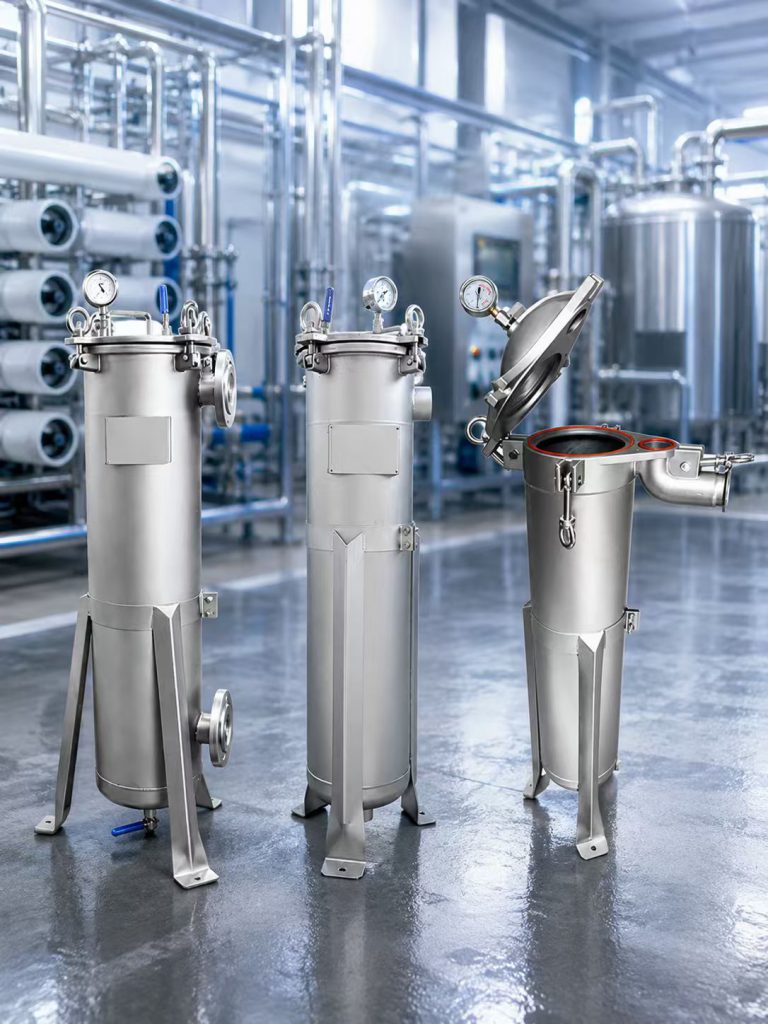
For a PP filter bag, include the exact media grade, finished dimensions, seam and collar requirements. For nylon mesh filter bags, identify the opening, construction and any approved reuse procedure. Review bag fit with the single bag housing or multi-bag vessel drawing.
If evaluating a move to high flow cartridges, obtain separate cartridge and housing data. Do not carry a bag’s replacement threshold into a different filtration technology.
Need a Bag Replacement or Service-Life Review?
Send the current bag model, liquid, flow, temperature, pressure log, housing details, required cleanliness and quantity. Request confirmed construction and limits for the quoted product.
Frequently Asked Questions
Is inlet pressure the same as bag filter differential pressure?
No. Differential pressure is the upstream-minus-downstream difference across the defined measurement boundary; inlet pressure is one pressure reading.
Should a bag always be used until its maximum differential pressure?
No. Follow the approved change-out criteria for the actual bag and complete system. Quality or operating requirements can call for earlier replacement.
Can a low differential pressure prove that a filter bag is working correctly?
No. Consider flow, liquid conditions, instrument condition and downstream quality; low differential pressure alone is not a performance verification.
Technical reference: Eaton SENTINEL product information, reviewed 16 October 2026. Manufacturer-specific ratings are not INCE specifications. Calculations and procurement checklists above are explanatory guidance.
 WhatsApp