
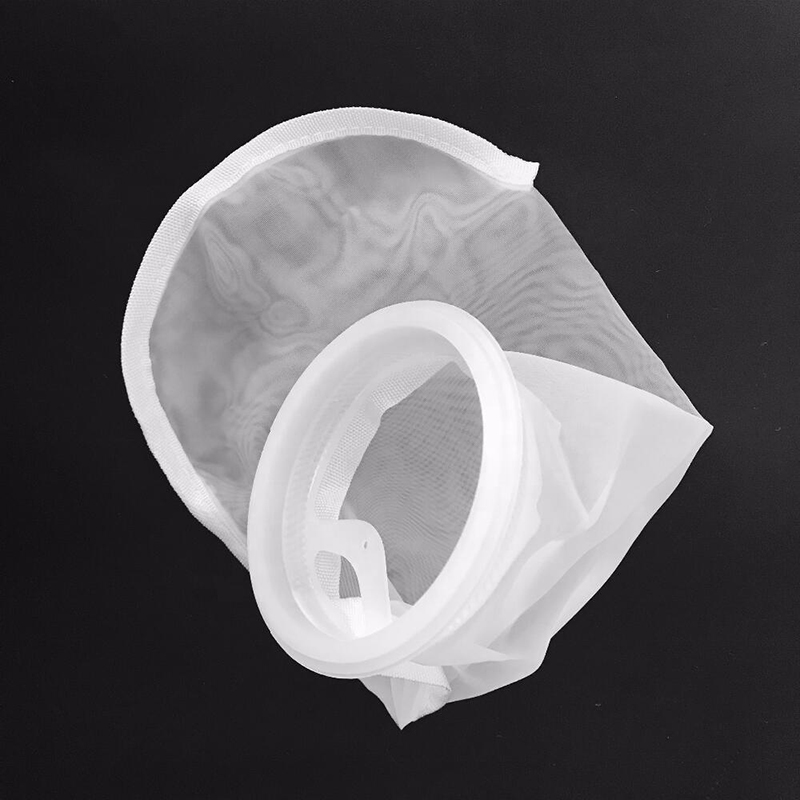
Direct answer: A bag filter can capture escaped ion-exchange resin beads or fragments when the particle-size distribution is larger than the effective bag opening and the housing seals correctly. It should be treated as a controlled recovery or protection step—not as a substitute for repairing a failed resin-retention screen, underdrain, distributor or vessel component.
Seeing resin downstream of a treatment vessel?
Send a resin sample or particle-size evidence, water chemistry, temperature, flow, pressure, existing housing, target capture and trial quantity. INCE can review a mesh or filter-bag trial without promising recovery from incomplete data.
When is a filter-bag trial appropriate?
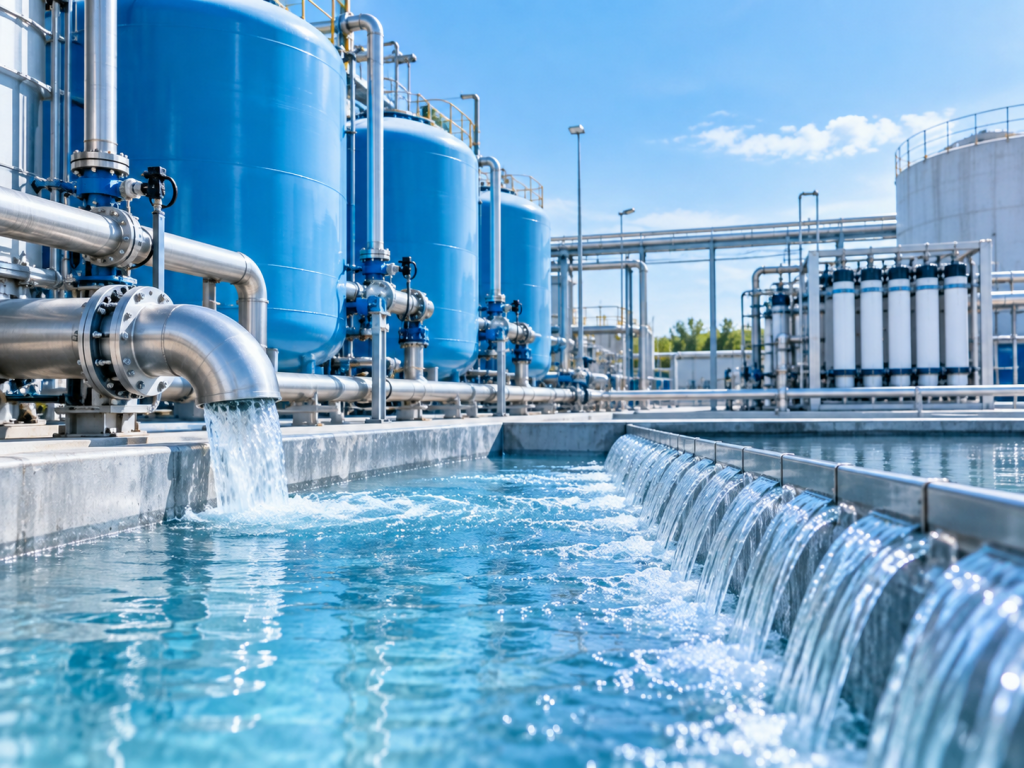
A trial is useful when beads or fragments are visible downstream and the buyer needs temporary capture, downstream-equipment protection or evidence for a permanent solution. Eaton publicly lists ion-exchange resin recovery among water-treatment bag-filtration applications. The correct opening and bag construction still depend on the actual resin and process.
Technical reference: Eaton industrial filter bag applications. The referenced product data supports the selection framework; it does not imply that INCE products are identical to another manufacturer’s products.
What the buyer should measure first
| Input | Purchase decision |
|---|---|
| Resin type and condition | New beads, aged beads, cracked fragments and mixed debris can require different capture approaches. |
| Particle-size distribution | Use representative samples; do not select only from the nominal bead size. |
| Fluid chemistry and temperature | Confirms compatibility of nylon, polypropylene, polyester, seals and housing materials. |
| Flow and operating pressure | Supports housing size, bag area and mechanical review. |
| Recovery objective | State whether resin will be inspected, discarded or potentially reused; filtration alone does not confirm reusability. |
| Acceptance criterion | Define downstream resin count, visual clarity, run time or another measurable trial endpoint. |
Mesh bag or felt bag?
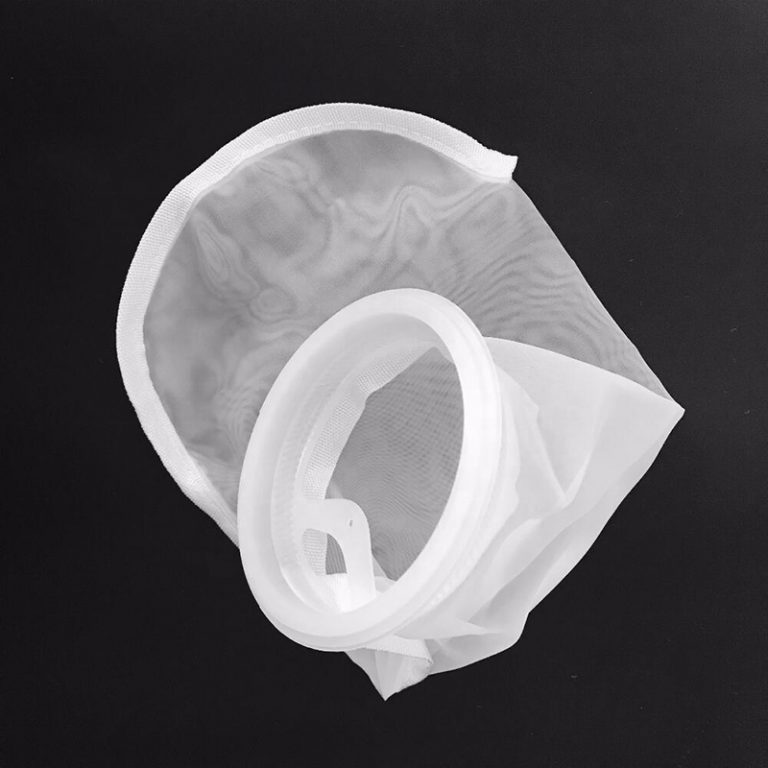
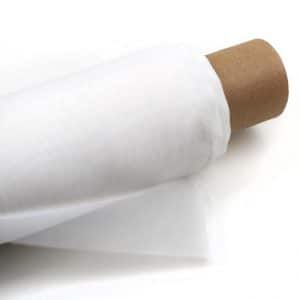
A nylon mesh filter bag offers defined openings and surface capture, which can support visual inspection and cleaning in suitable services. A felt industrial filter bag uses a different depth-filtration mechanism. The choice should follow actual particles, chemistry, temperature, pressure drop and disposal requirements.
The existing 75 micron and 250 micron pages are reference starting points, not universal resin-retention rules. If particle evidence is incomplete, request more than one trial grade rather than placing a bulk order on a guessed rating.
Do not overlook the source of resin loss
- Inspect the resin vessel’s retaining screens, distributors and underdrain.
- Check whether abnormal backwash, pressure shock or mechanical damage preceded the event.
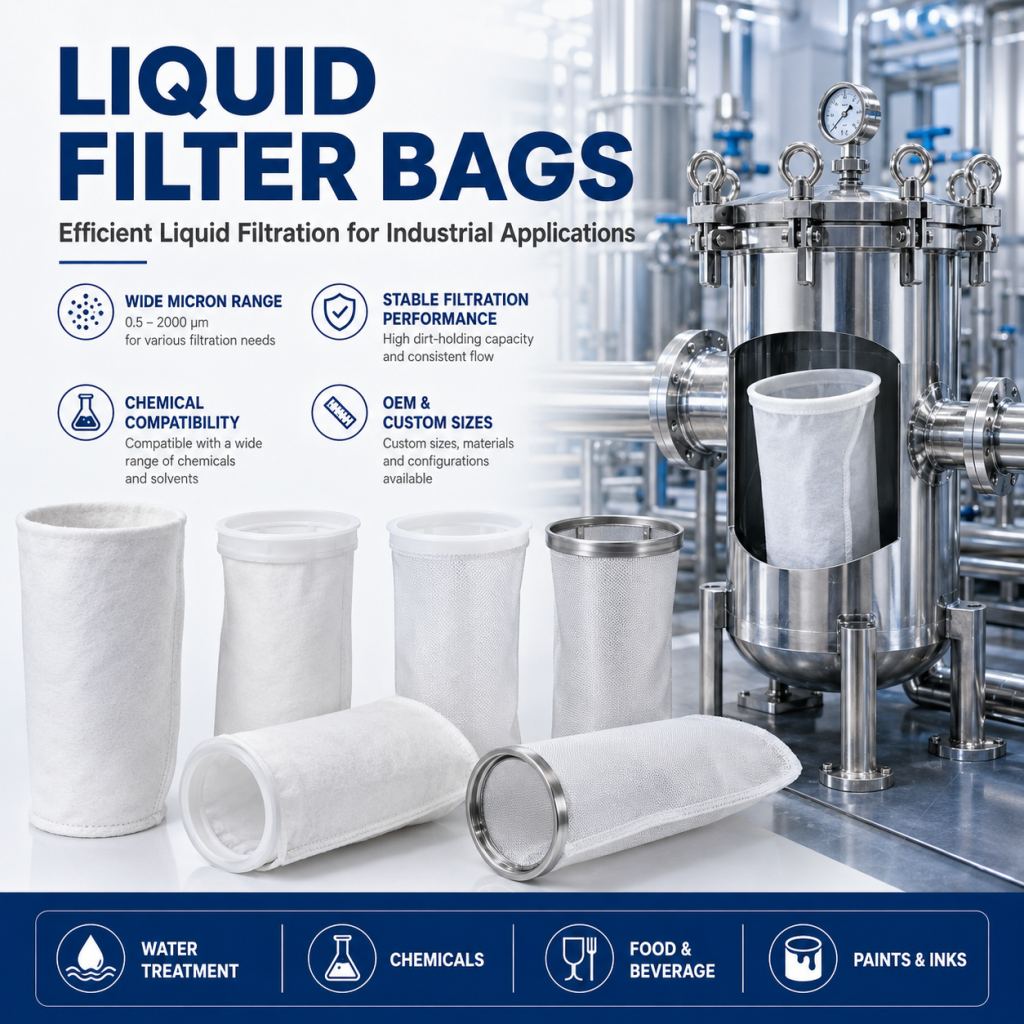
- Confirm that the capture bag is seated inside the support basket and sealed at the collar.
- Monitor differential pressure; a rising value can reflect captured resin or unrelated solids.
- Keep trial material segregated if the customer intends to investigate or reuse it.
Build a technically useful RFQ
Provide resin name/type, sample photos, smallest observed particles, liquid composition, temperature, flow, pressure, housing/bag size, target capture, quantity and destination.
Frequently Asked Questions
Can captured resin automatically be returned to service?
No. Filtration only separates particles. Resin condition, contamination and reuse suitability require the buyer’s process and quality assessment.
Is a 250 micron bag always suitable for resin beads?
No. Resin beads and fragments vary. Select the trial opening from representative particle evidence and the downstream protection requirement.
What if the bag captures resin but pressure drop rises quickly?
Review solids loading, bag area, opening, flow and the source of resin loss. A larger or parallel housing may help capacity, but the equipment fault must still be addressed.
 WhatsApp