Direct answer: A custom pressure leaf filter cover RFQ should include the equipment or leaf drawing, an existing cover or sample, fabric polymer and construction, opening or permeability requirement, finished dimensions, seam and channel layout, collector attachment, edge treatment, process chemistry, temperature, cleaning method, cake-release requirement, first-article inspection and order quantity. A generic micron number is not enough to reproduce a fitted cover.
Need an OEM leaf-filter cover or bag?
Send the machine brand/model, leaf drawing, used sample photos, fabric requirement, process chemistry, temperature, cake behavior, quantity and destination. INCE will review manufacturability before quoting.
Why equipment fit matters as much as filtration
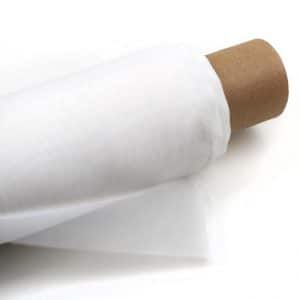
Pressure leaf covers are fabricated components. Their seams, channels and collector interfaces must fit the leaf geometry and remain stable during filling, cake formation, washing, discharge and cleaning. Sefar’s public pressure-leaf information describes monofilament, multifilament and mixed fabrics, plus cutting, welding and channel sewing. It also highlights heat setting, surface finish, particle retention and cake release as selection factors.
Technical reference: Sefar pressure leaf filter media and fabrication overview. The referenced product data supports the selection framework; it does not imply that INCE products are identical to another manufacturer’s products.
RFQ checklist for a reproducible cover
| Category | Information to submit |
|---|---|
| Equipment identity | Manufacturer, model, leaf number, drawing revision and photos of the installed cover. |
| Finished geometry | Overall length/width, neck or outlet details, channels, corners, seam locations and tolerances. |
| Fabric | Polymer, monofilament/multifilament construction, opening or air-permeability target, thickness and any approved reference sample. |
| Process | Full chemical composition and concentration, solids, temperature, cycle, pressure conditions and cleaning method. |
| Performance objective | Filtrate clarity, cake release, washing, moisture or another measurable acceptance criterion. |
| Commercial scope | First-article quantity, production quantity, labeling, individual packing and destination. |
Material selection has boundaries
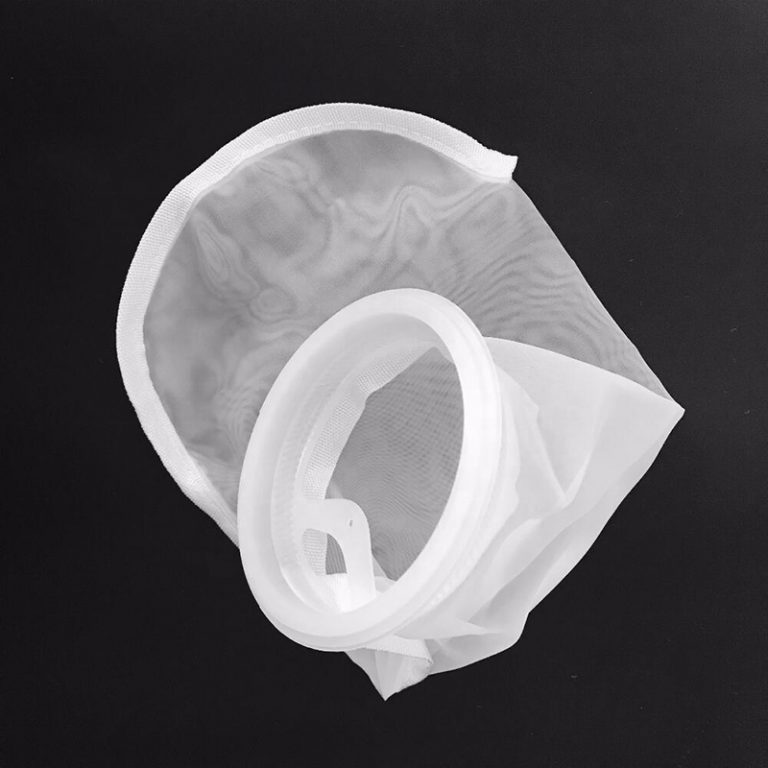
INCE supplies nylon, polyester and stainless-steel filter mesh and custom mesh fabrication. Nylon, PP, polyester and other media have different resistance to acids, alkalis, solvents, hydrolysis and temperature. The buyer should provide complete chemistry; a material name alone is not a compatibility approval.
For a fitted component, finished dimensions should be defined after fabrication, not inferred from a flat fabric cut size. If the existing cover has stretched or shrunk, mark the critical machine dimensions separately from the worn sample dimensions.

First-article approval before bulk production
- Confirm material and fabric construction against the approved specification.
- Check finished dimensions, channel spacing, seams, edges and collector interface.
- Fit the sample to an actual leaf without forcing or folding.
- Run the customer’s controlled process trial and record filtrate/cake observations.
- Freeze the approved drawing, sample reference, label and packing requirements for repeat orders.
Send the drawing and process data
Include leaf/equipment drawing, existing sample, fabric polymer, opening/permeability, finished dimensions, seams/channels, chemistry, temperature, cleaning, first-article quantity and annual demand.
Frequently Asked Questions
Can a worn cover be copied without an equipment drawing?
A worn sample can help, but it may have stretched, shrunk or deformed. Critical machine dimensions and attachment geometry should be confirmed separately.
Is micron rating enough to select the fabric?
No. Yarn construction, opening distribution, permeability, thickness, surface finish, cake release, chemistry and mechanical fit can all affect service.
Does INCE guarantee compatibility from a material name?
No. Buyers should submit the full chemical composition, concentration, temperature, cleaning agents and process conditions for review.
 WhatsApp