
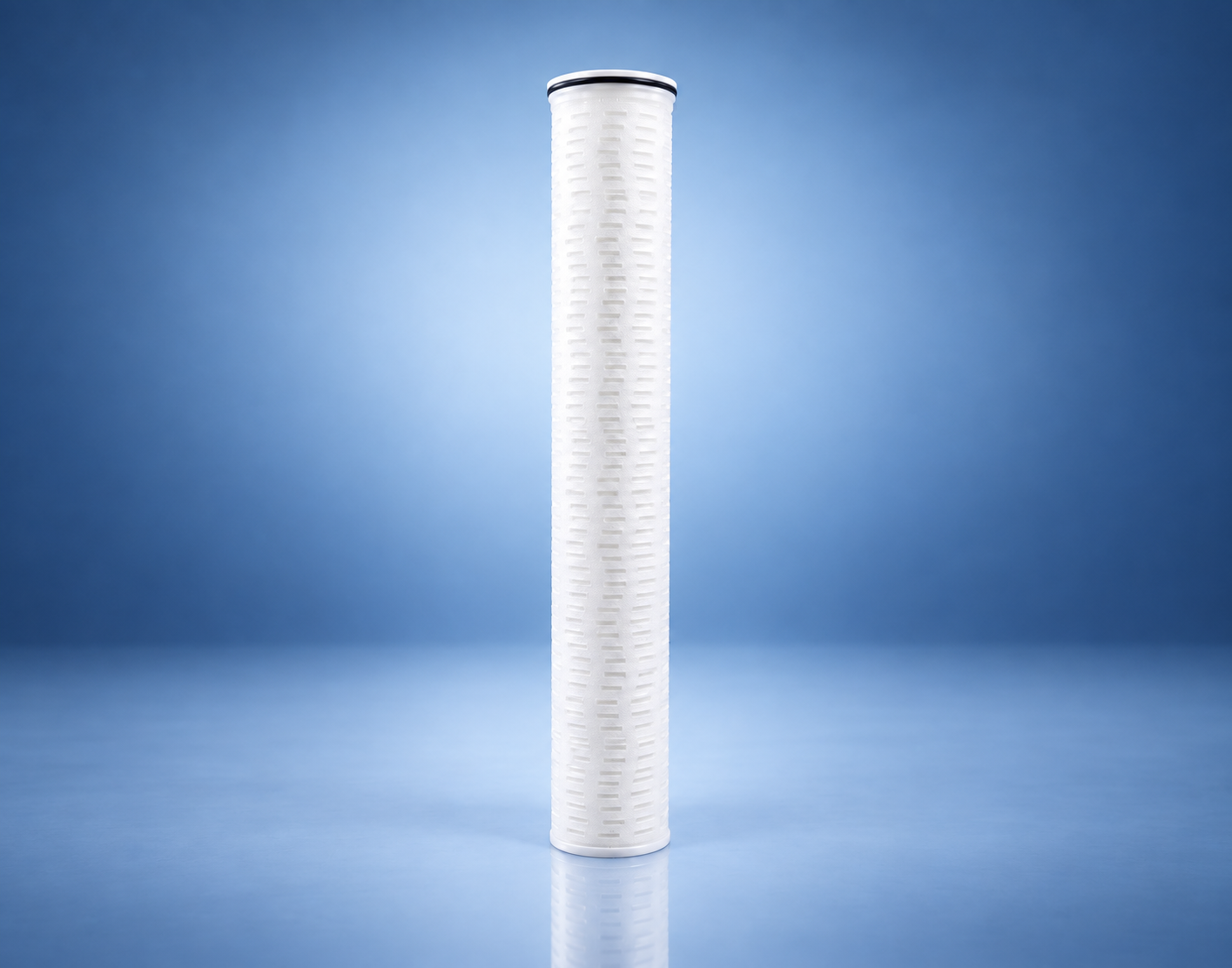
Short answer: qualify a high flow replacement cartridge in three gates: document match, dry fit and controlled process trial. A sample should not be approved only because its length and micron label look similar. Verify the complete model code, diameter, end connection, seal, flow direction, materials, efficiency basis and pressure-drop behavior.
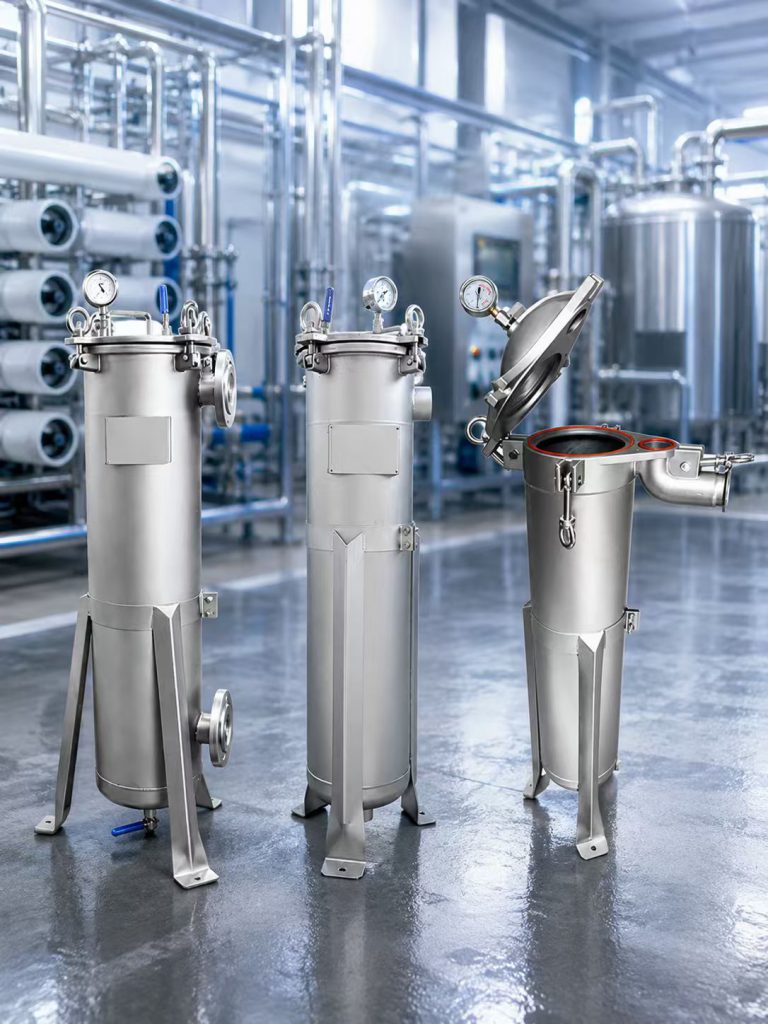
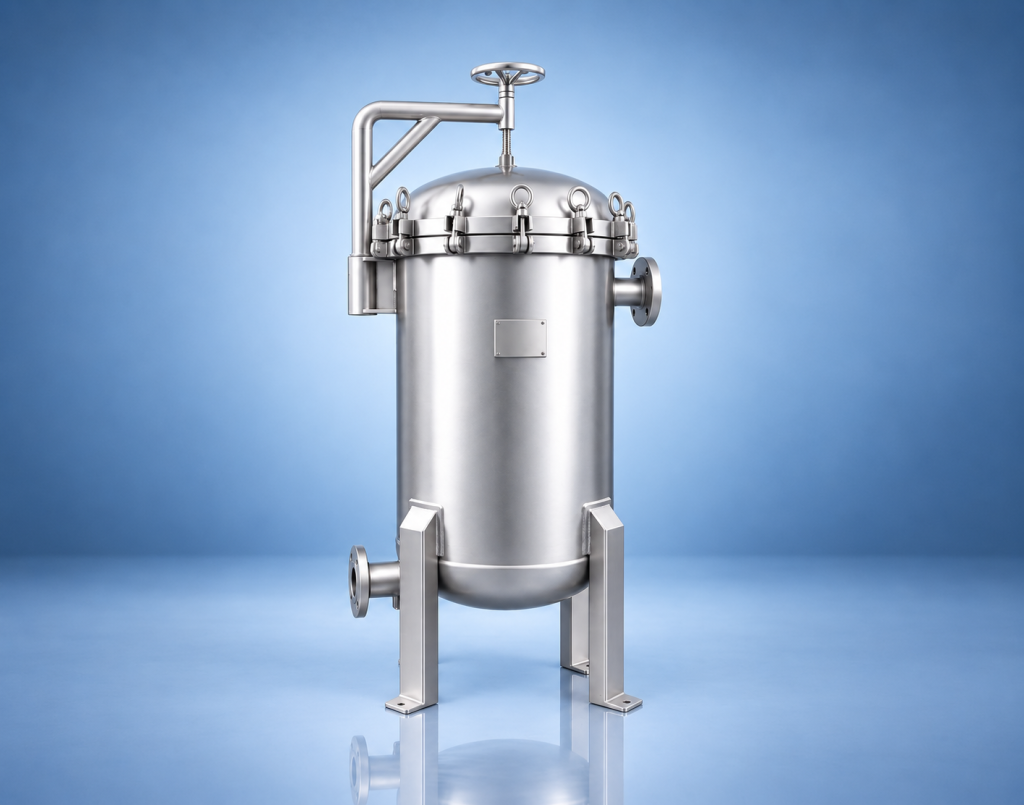
This framework is for maintenance engineers, distributors and buyers evaluating Pall-, Parker- or 3M-style replacements for an installed high flow filter housing.
Send the original model code, housing model, cartridge photos, measured dimensions, liquid, flow, temperature, clean/change-out differential pressure, seal material and sample quantity.
Gate 1: Document the Existing Cartridge
| Check | Evidence | Approval question |
|---|---|---|
| Identity | Full manufacturer and model code, label photos and purchase record | Is the requested replacement tied to one exact original? |
| Dimensions | Overall length, OD, ID, connection and removal clearance | Can it be installed and removed without forcing? |
| Seal | O-ring/U-cup profile, location and material | Will the seal fit and remain compatible with the liquid? |
| Flow | Inside-out or outside-in, housing inlet/outlet and support arrangement | Does the replacement match the system flow path? |
| Filtration | Micron grade, nominal/absolute definition and published test basis | Are retention claims compared on the same basis? |
Pall’s Marksman PFT data sheet lists 20, 40 and 60 inch lengths, nominal dimensions, polypropylene construction and several seal options. The 3M High Flow brochure lists its own dimensions, seal choices and operating conditions. These are model-family examples, not universal interchange dimensions. See the Pall Marksman document and 3M brochure.
Gate 2: Dry Fit Without Process Approval
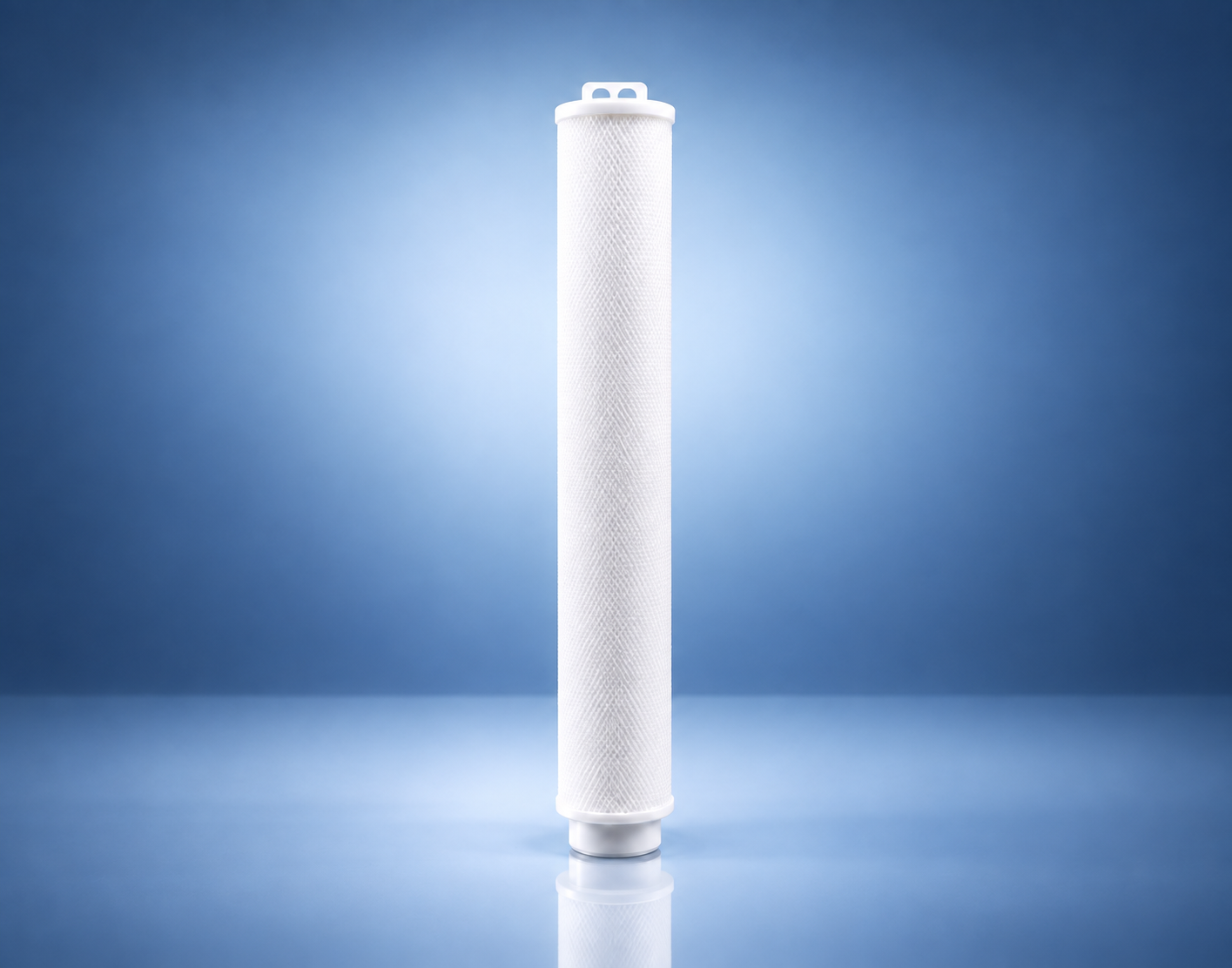
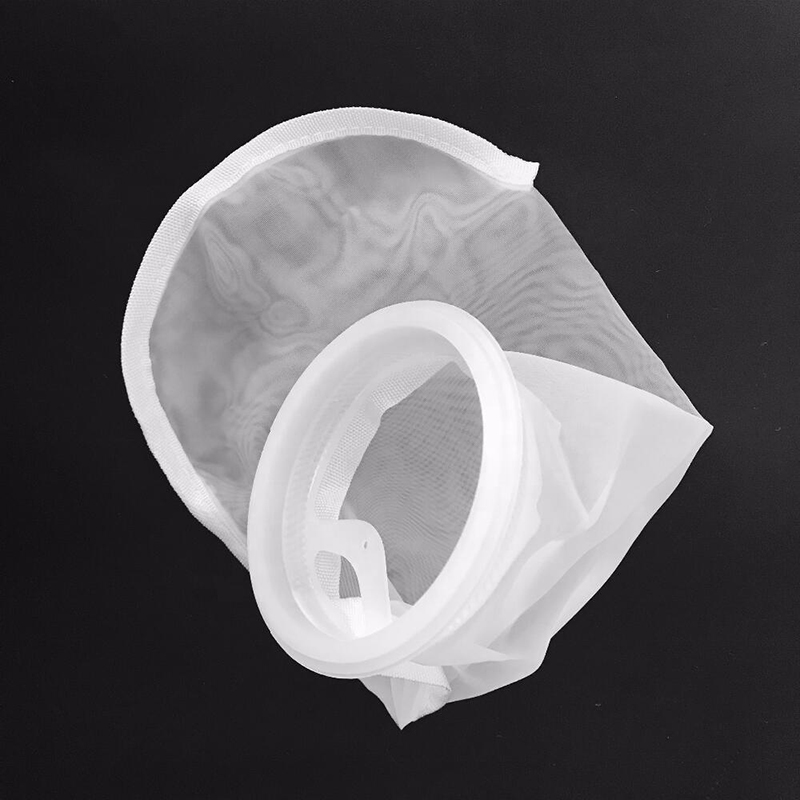
Inspect shipping condition, end caps, handle, pleat pack and seal. Compare the sample with the original on a clean surface. Confirm insertion depth, sealing position, locking or retention method and removal clearance. Do not force a sample that binds. A successful dry fit proves only physical installation; it does not prove chemical compatibility, efficiency or service life.
Use the 40 vs 60 inch measurement checklist and seal and end-cap compatibility guide when preparing measurements.
Gate 3: Controlled Trial at the Actual Operating Point
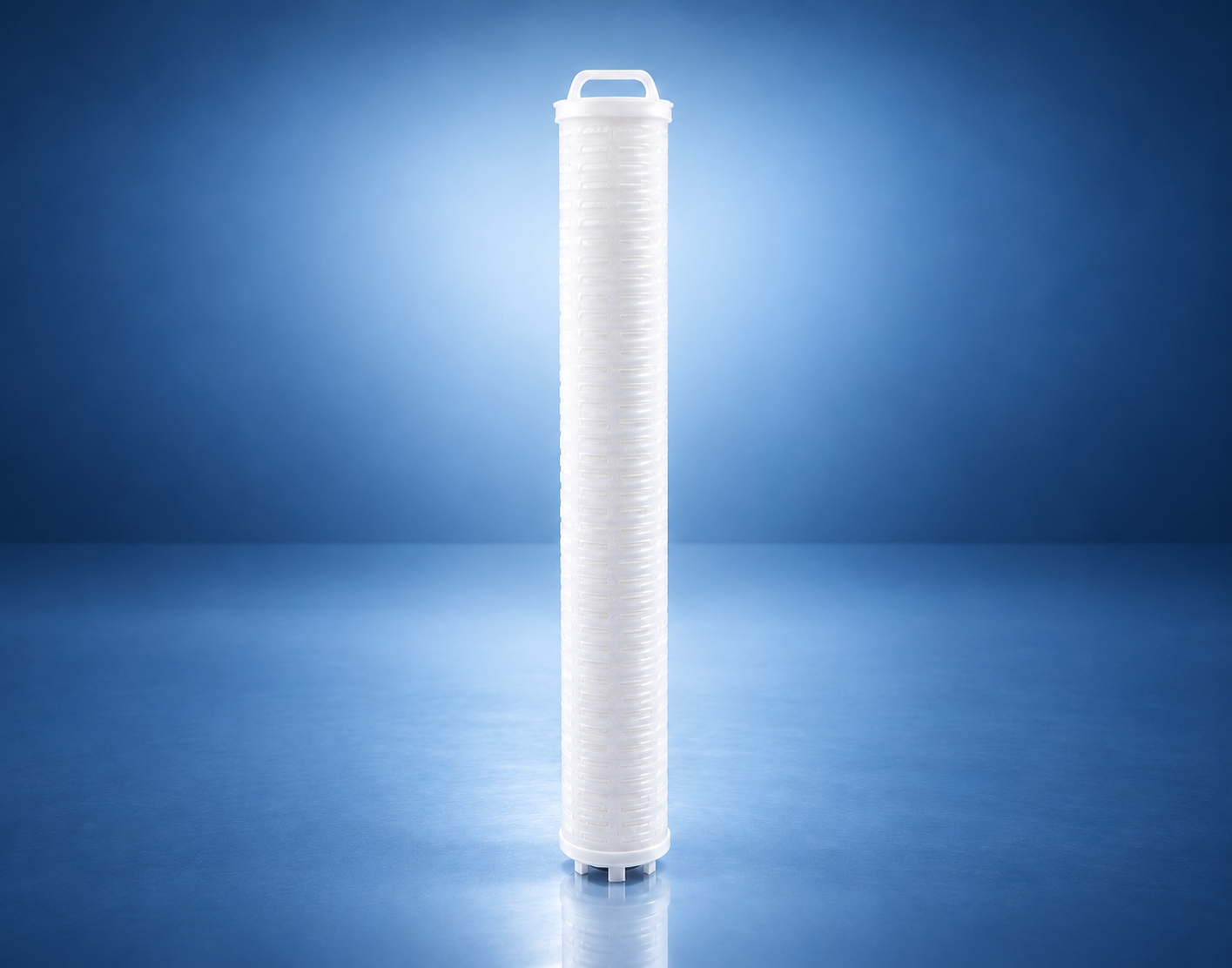
- Record liquid, concentration, temperature, viscosity and solids variability.
- Establish clean flow and clean differential pressure after controlled startup.
- Use the same measurement locations and calibrated instruments for comparison.
- Track filtrate result, differential-pressure growth, operating hours and change-out reason.
- Inspect the cartridge and housing for bypass, seal damage, collapse, distortion or unusual deposits.
- Define an acceptance limit before the trial; do not choose the winner after seeing only one result.
What the Sample RFQ Should Request
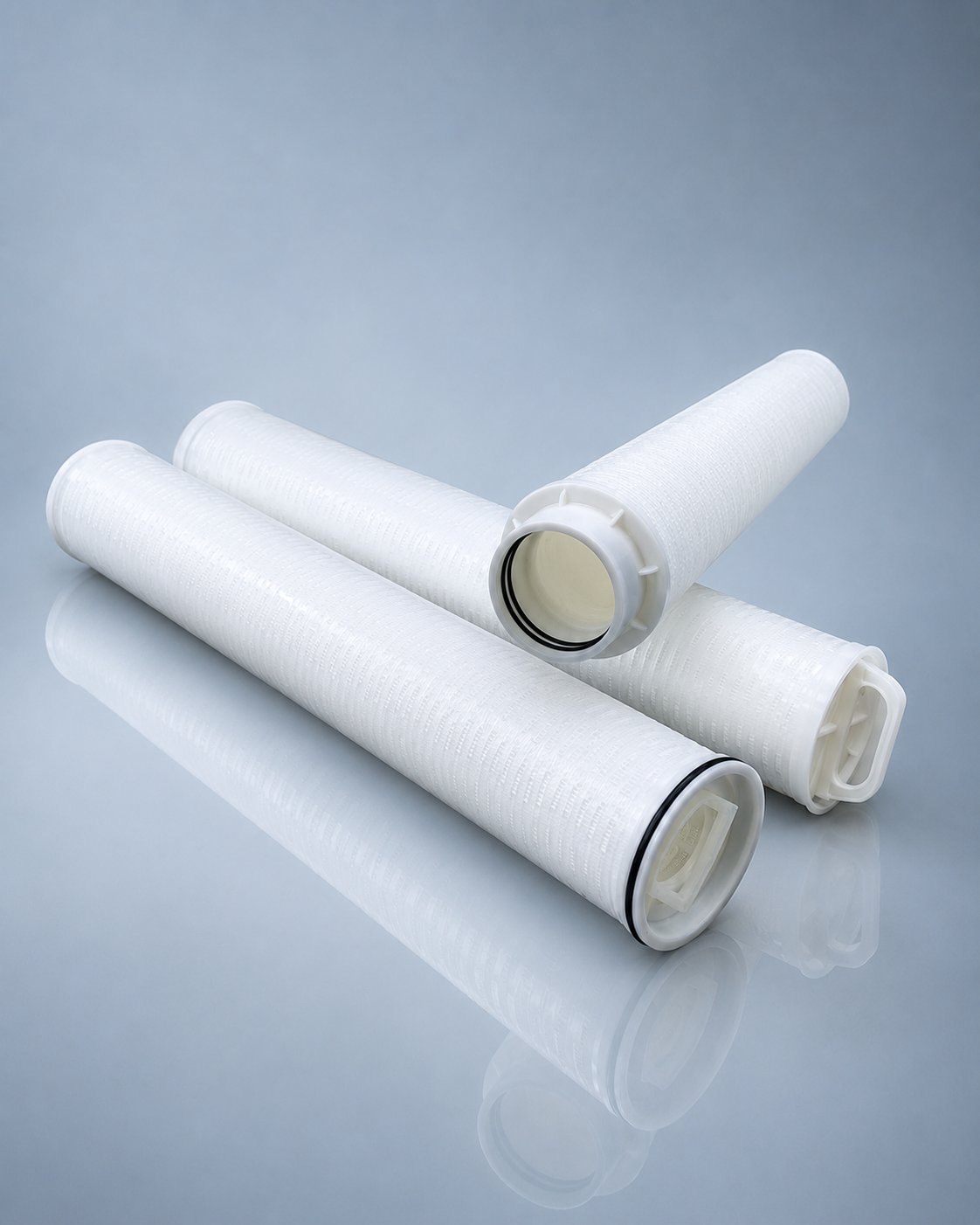
State whether the trial is for direct replacement, media conversion, cost reduction, longer service life or supply security. Request the proposed high flow cartridge construction, dimensions, seal material, flow direction, efficiency basis and relevant declarations. For brand-style matching, use the dedicated Pall-style, Parker-style or 3M-style product page, then submit the original model code through the inquiry form.
After the trial, record the approved model, drawing, seal, media, acceptance data, packaging and label requirements so repeat orders do not depend on memory.
Frequently Asked Questions
Does a successful dry fit prove a high flow cartridge is compatible?
No. Dry fit verifies installation geometry only. Chemical compatibility, efficiency, pressure drop and service life require document review and a controlled process trial.
Can two cartridges with the same micron rating be treated as equivalent?
Not automatically. Compare nominal or absolute efficiency basis, media structure, dimensions, seals, flow direction and operating conditions.
What should I send for the fastest sample quotation?
Send the original model code, housing model, photos, dimensions, liquid, flow, temperature, differential pressure, seal material, quantity and trial acceptance criteria.
 WhatsApp