
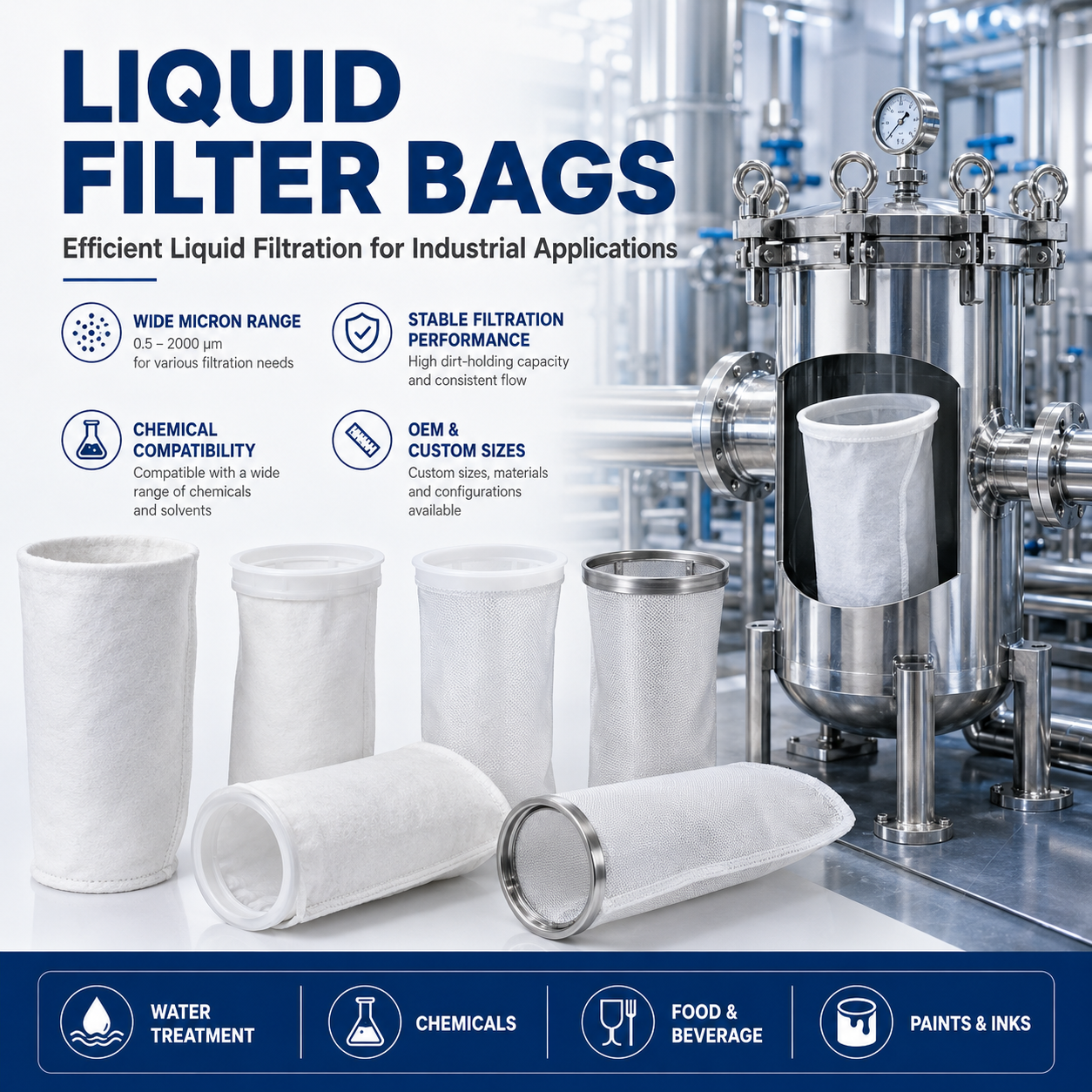
Direct answer: approve a filter bag first article only after the buyer and supplier agree on the material, filtration rating, finished dimensions, ring or collar, seam construction, label and inspection method. A photograph alone is not an approval record.
Send the current bag model or sample, housing size, liquid, temperature, micron target, finished dimensions, ring style, quantity and destination. INCE can review standard or custom filter bag construction without assuming unverified compatibility.
Why buyers use a first article before a bulk order
A first article reduces the risk of ordering a large quantity that fits the drawing but not the actual housing, or that uses the wrong material, seal geometry or seam. It is most useful for replacement projects, private-label programs and custom bags made from a drawing or an existing sample.
This article supports—not replaces—the commercial industrial filter bag pages. For material families, review PP filter bags, polyester filter bags and nylon mesh filter bags.
First article approval checklist
| Approval item | What the buyer should record | Why it affects the order |
|---|---|---|
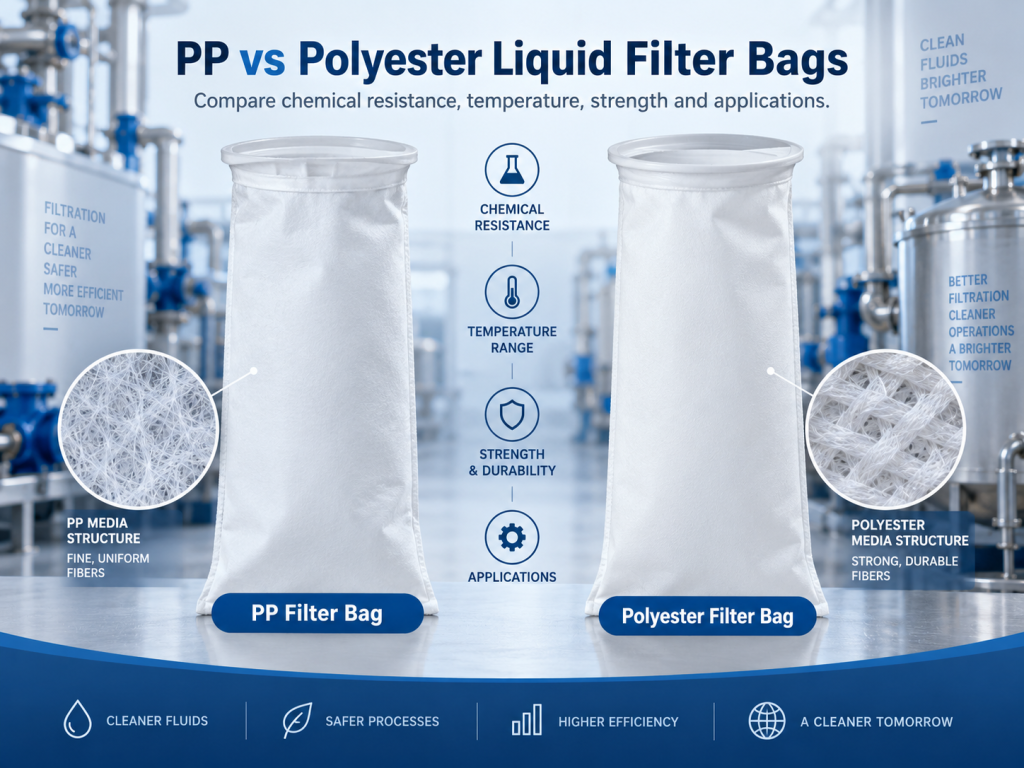
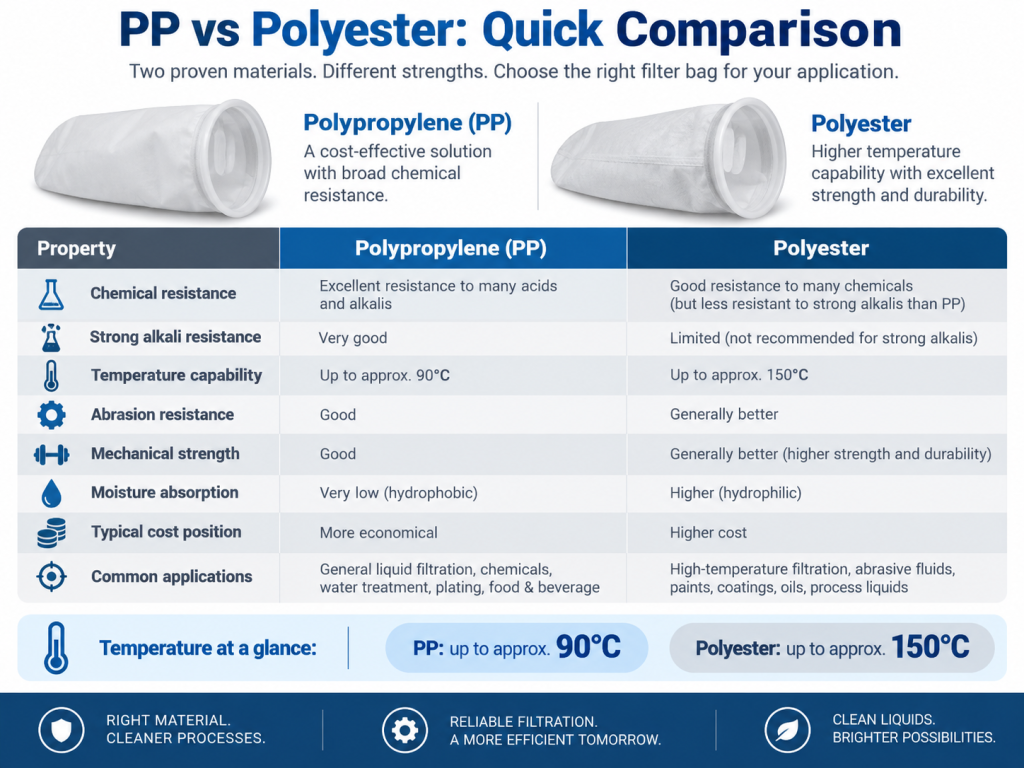
| Material and media | PP, polyester or nylon; felt or mesh; surface treatment if specified | Controls compatibility, retention behavior and construction |
| Filtration rating | Nominal or absolute statement, micron value and supporting document if required | Micron numbers are not interchangeable without the rating basis |
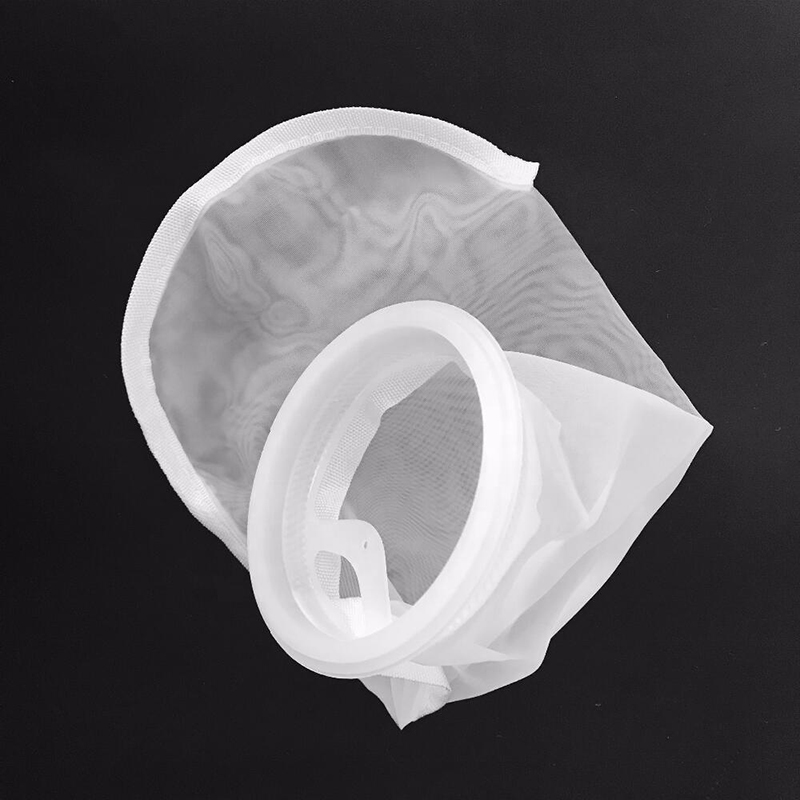
| Finished dimensions | Diameter, length and tolerance after sewing or welding | Finished size controls fit; flat cut dimensions are manufacturing inputs |
| Top seal | Ring/collar material, profile, diameter and orientation | The seal must match the housing and restrainer basket |
| Seam and bottom | Sewn or welded; seam position; bottom shape; thread if applicable | Construction affects fit, shedding risk and repeatability |
| Identification | Part number, lot, micron, size, buyer label and carton mark | Prevents mixing after approval |
Three approval gates
- Document review: compare the quotation, drawing and sample specification before shipment.
- Incoming inspection: photograph the sample, measure finished dimensions and check the top seal and seams.
- Controlled fit or process trial: confirm installation in the intended housing and define a limited trial with recorded conditions.
For dimensional language, see the finished versus flat dimensions guide. For the top interface, use the ring and collar replacement checklist. Production-lot controls can be added using the lot traceability guide.
Information to send with an RFQ
- Existing model, drawing, unused sample or clear photographs
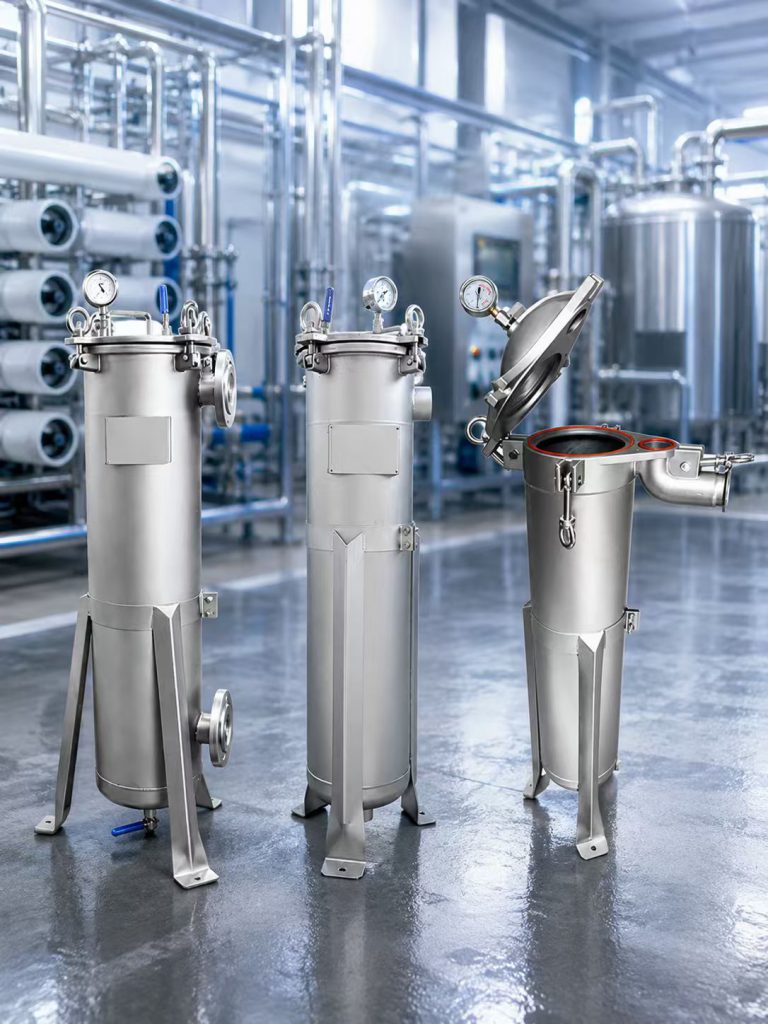
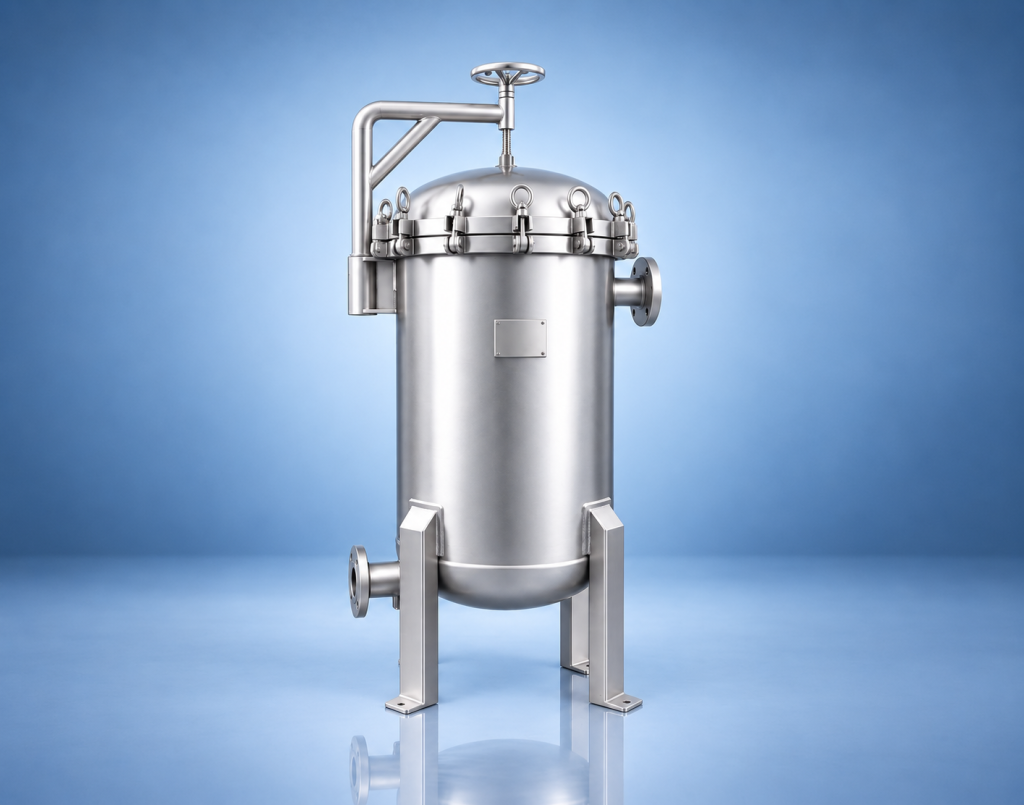
- Housing manufacturer/model and bag basket dimensions
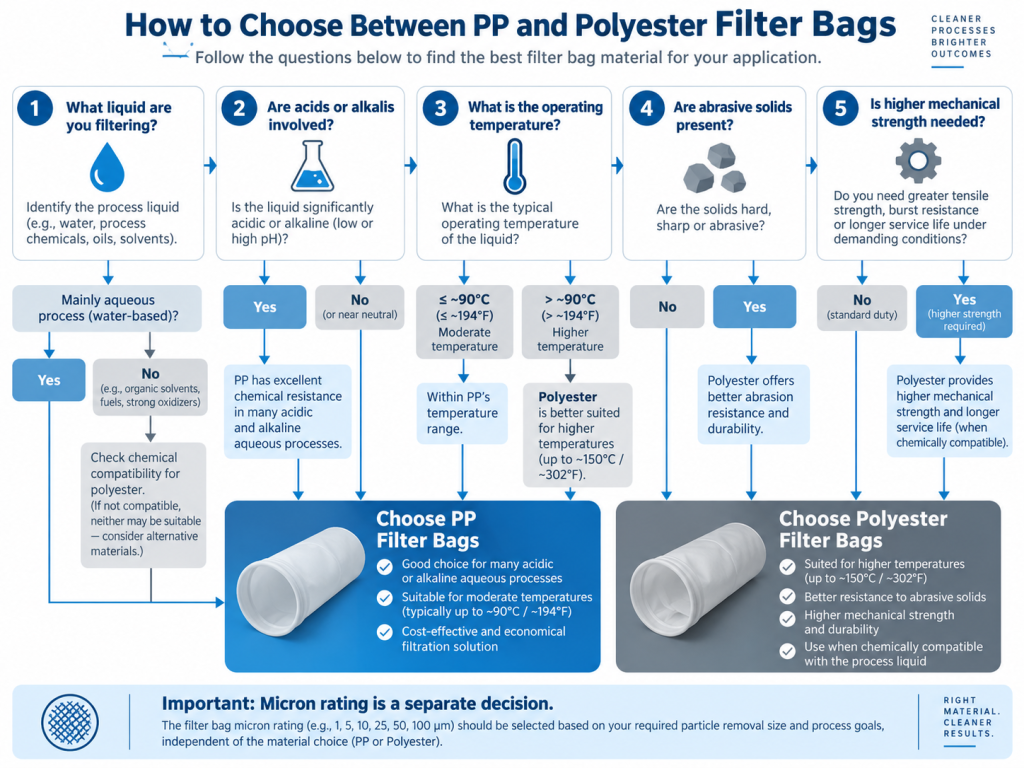
- Complete liquid composition, concentration, temperature and cleaning chemicals
- Target micron rating and whether a nominal or documented efficiency basis is required
- Finished bag diameter and length, ring/collar, seam and bottom construction
- Sample quantity, estimated production quantity, destination, label and packaging needs
Attach the drawing or sample photos and clearly state which dimensions and construction details must be approved before bulk production. No fixed MOQ, delivery time or compatibility is assumed until the specification is reviewed.
Technical reference: Eaton’s filter bag ordering information separates media, micron, size and seal-ring variables, illustrating why a first article must be approved against a complete part definition rather than color or appearance alone. Review the manufacturer reference.
Buyer FAQ
Is a first article sample the same as a production lot?
No. A first article confirms the agreed construction before bulk production. The purchase specification should also state how production lots will be inspected and identified.
What should be measured on the sample?
Measure the finished diameter and length, ring or collar dimensions, seam position, handle or lifting loop details, and any dimensions that control housing fit.
Can a used filter bag be the only reference?
A used sample can help identify construction, but service exposure may change its dimensions and condition. Add housing data, photos, target material, micron rating and operating conditions.

 WhatsApp