Short answer: select bag filtration for an e-coat or metal pretreatment bath only after defining the exact bath stage, chemistry, contamination, flow, temperature and protected equipment. Start with a controlled trial; a micron number copied from another line does not establish compatibility or coating quality.
This guide is for automotive, appliance, metal-finishing and coating-line engineers preparing a trial or quotation for filter bags and single- or multi-bag housings.
Send the bath stage, chemistry and concentration, temperature, circulation flow, pressure, solids description, current filter, target result, bag size and trial quantity.
Define the Bath and the Protection Goal
| RFQ question | Examples to record | Why it matters |
|---|---|---|
| Process stage | Cleaner, rinse, phosphate/pretreatment, e-coat, primer or paint circulation | Each stage has different chemistry and contamination |
| Problem solids | Scale, metal fines, fibers, agglomerates, paint skins or precipitate | Particle type changes media and loading behavior |
| Protected result | Nozzle protection, reduced defects, bath cleanliness or downstream equipment protection | Defines the relevant particle and acceptance target |
| Hydraulic duty | Normal/peak flow, pressure, available differential pressure and hours | Drives housing quantity and change-out frequency |
| Bath conditions | Composition, concentration, pH where relevant, temperature and cleaning method | Required for media, seal and housing compatibility review |
Eaton publicly lists pretreatment bath, e-coat, top coat, clear coat, paint-ring, parts-cleaning and metalworking-fluid filtration among industrial bag-filter applications. This supports the application category, but it does not define one universal media or micron rating. See Eaton’s filter bag application page.
Choose a Trial Media and Micron Grade
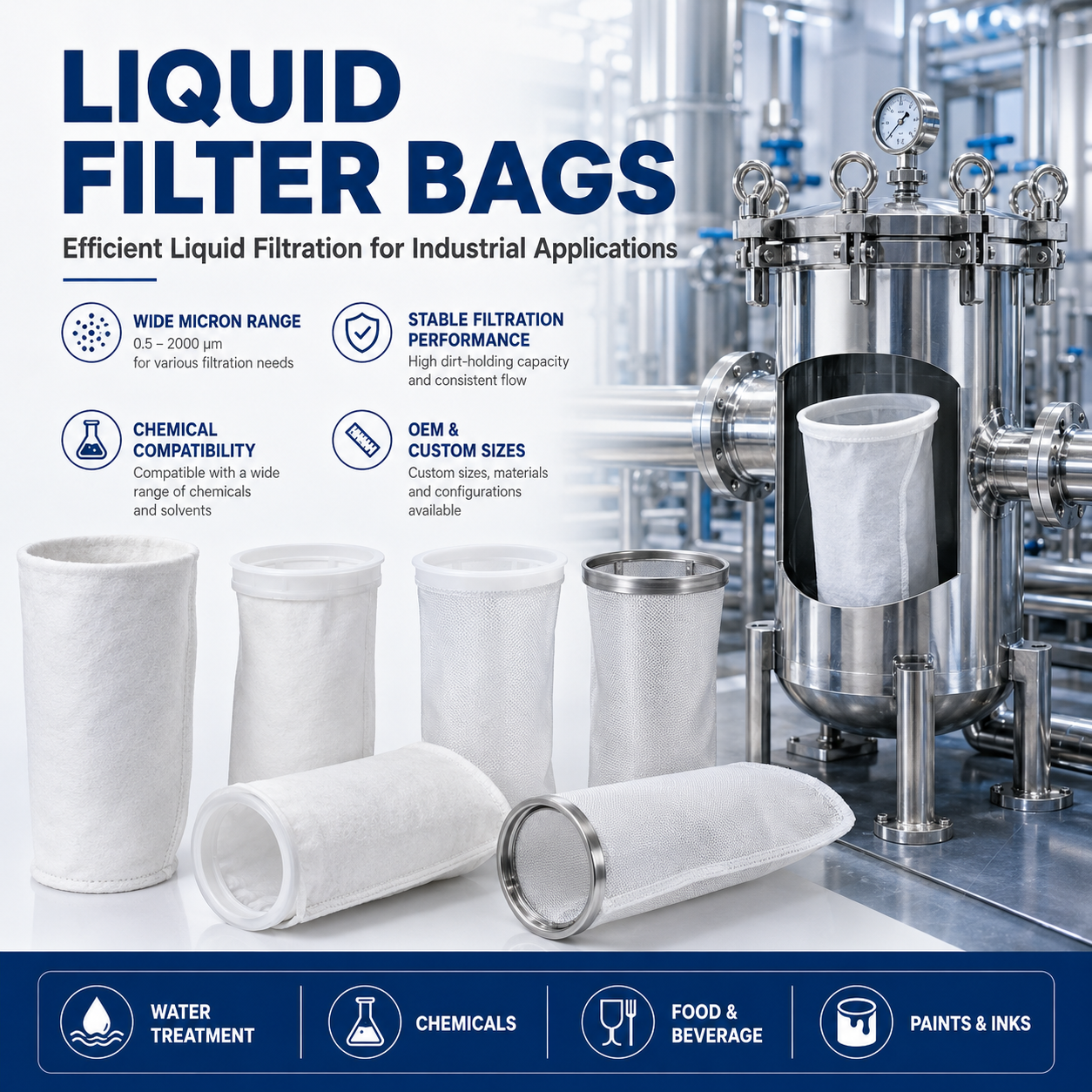
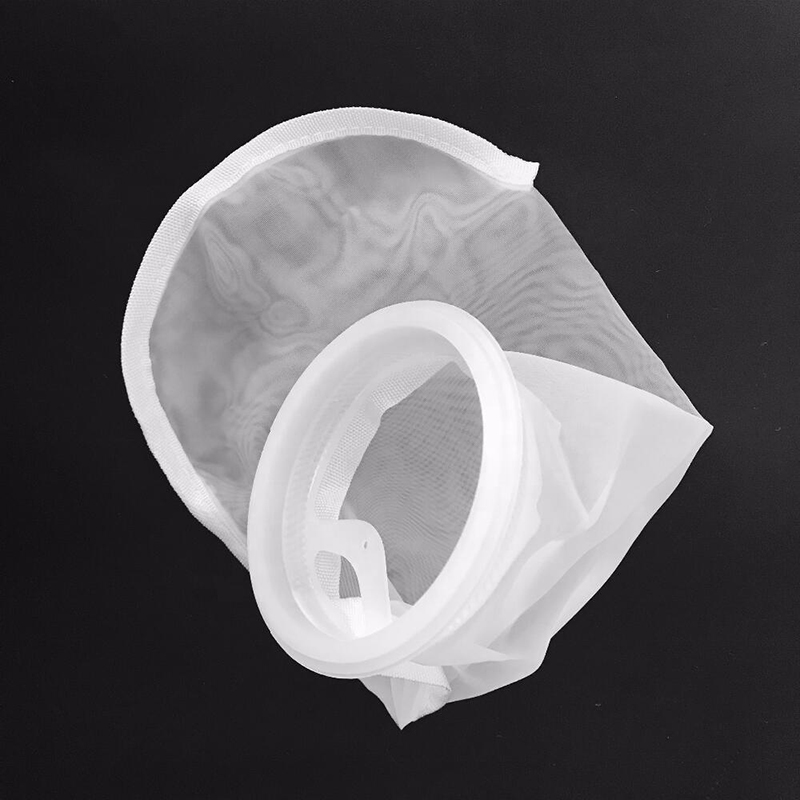
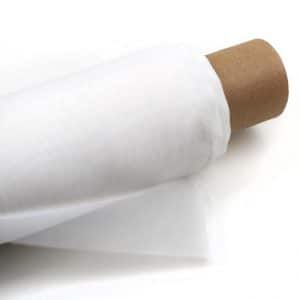
Surface mesh and depth felt behave differently. A mesh bag may be considered for larger, more defined particles and possible cleaning; felt provides depth loading for finer or less uniform solids. Review PP filter bags and polyester filter bags against the actual bath. Do not infer chemical suitability from the polymer name alone; seams, rings, finishes and seals also contact the liquid.
75 or 250 micron media can both appear in coarse filtration discussions, but neither should be selected by habit. The existing 75/100/150 micron guide and 200/250/400 micron guide explain the ranges; the process trial must decide whether retention and change-out behavior meet the line objective.

Single or Multi-Bag Housing?
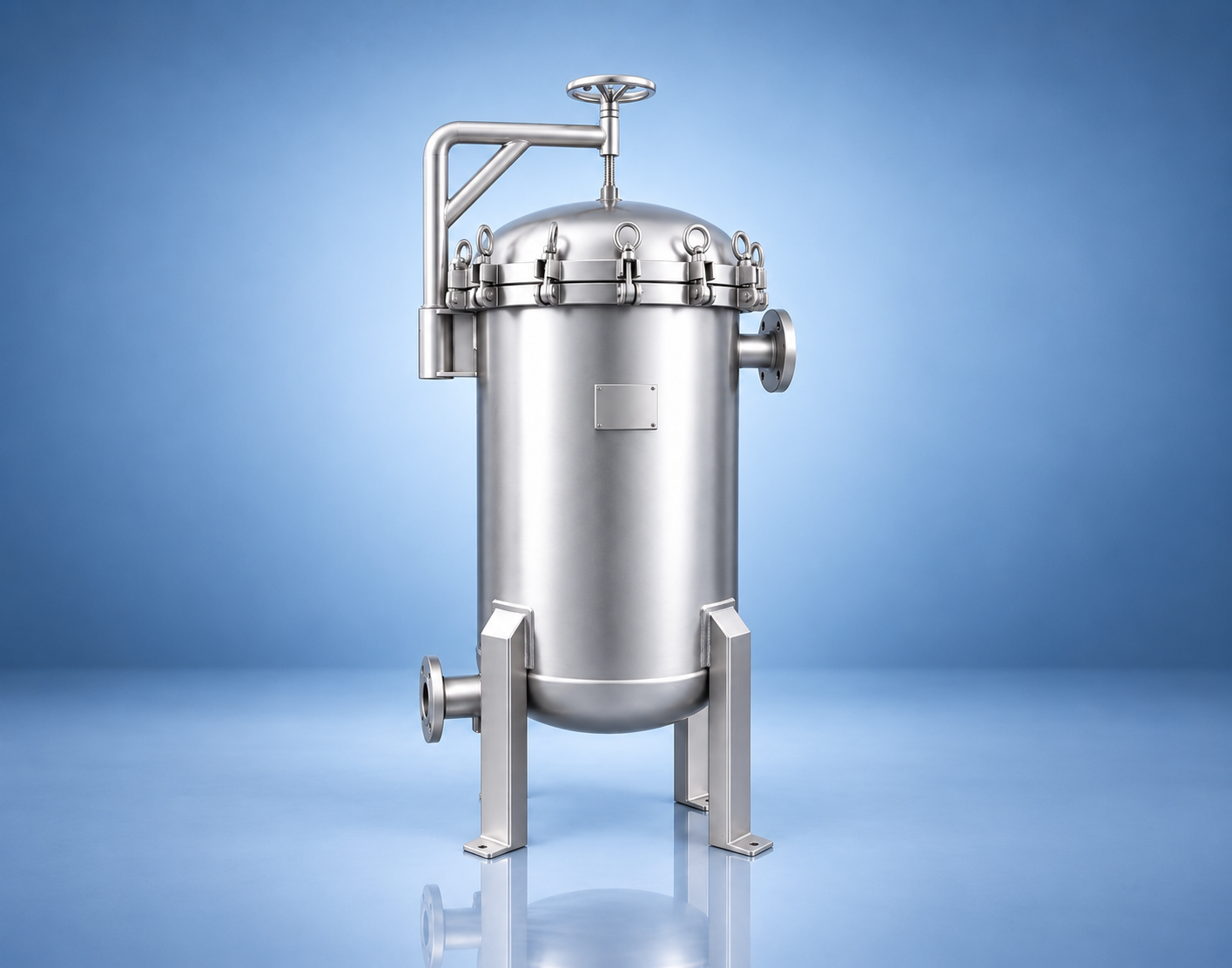
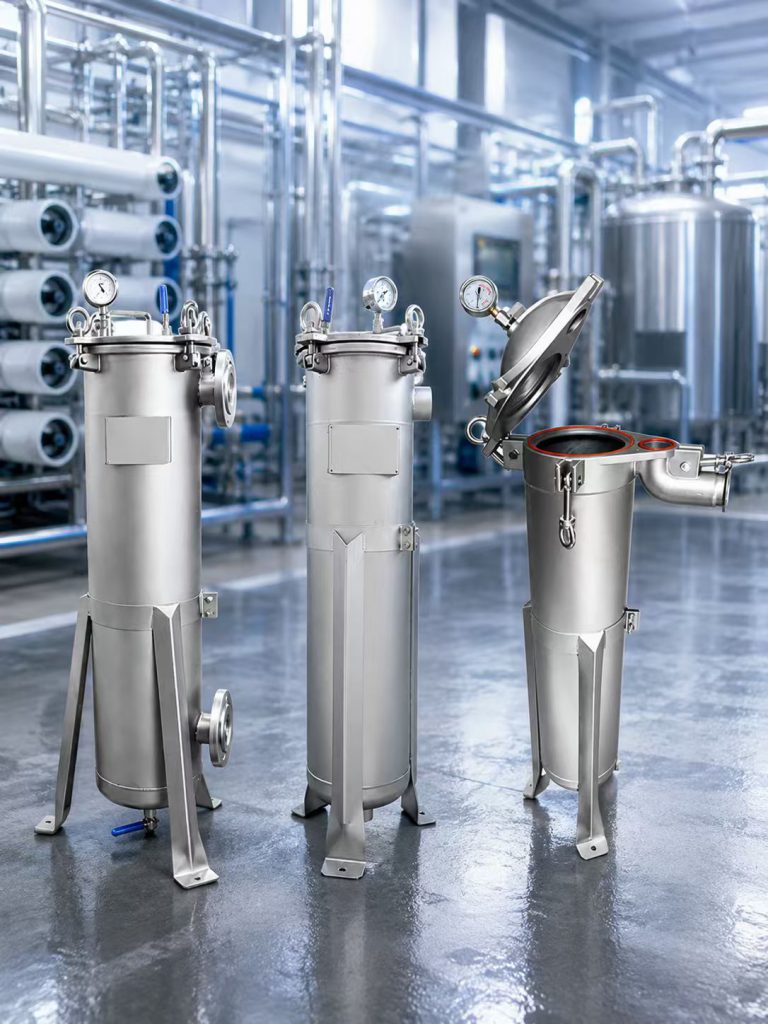
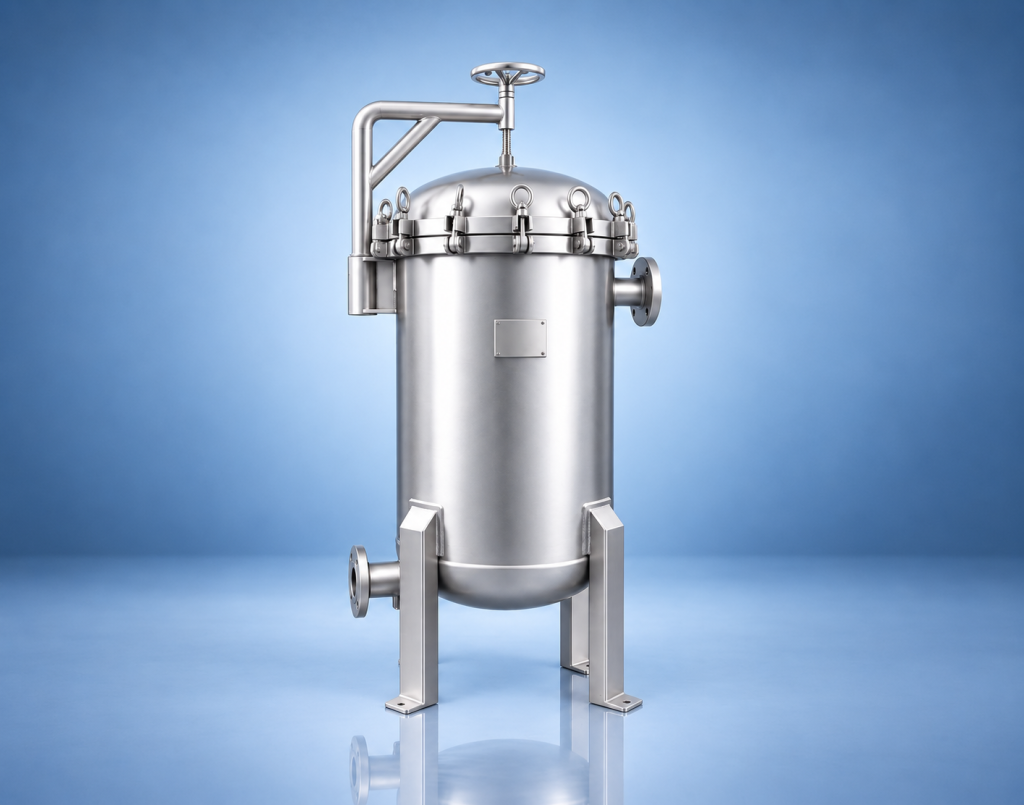
A single bag housing can suit a moderate-flow pilot or side loop. A multi-bag housing provides more filtration area for higher flow or solids loading. Continuous service may require duplex isolation or other redundancy. Provide connection standard, available space, lifting clearance, housing material and seal requirements; do not size only from pipe diameter.
Trial Measurements and Acceptance
- Record clean inlet/outlet pressure and stable flow after startup.
- Track differential-pressure growth, operating hours and bag change reason.
- Use the plant’s established bath-quality and coating-defect measurements.
- Inspect nozzles, heat exchangers or protected equipment at agreed intervals.
- Record bag appearance, retained solids and any swelling, softening or seam damage.
- Compare one variable at a time when testing a second micron or media.
Do not promise that filtration alone will correct every coating defect. Bath chemistry control, pretreatment, rinsing, application equipment and contamination sources may also govern the result.
INCE can review a trial bag and housing direction when the chemistry, temperature, flow, solids, current equipment and acceptance criteria are supplied.
Frequently Asked Questions
What micron filter bag should be used for an e-coat bath?
There is no universal micron rating. Select from the harmful particle size, bath chemistry, solids load, protected equipment and controlled trial results.
Can polypropylene bags be used in every pretreatment bath?
No. Review the complete bath composition, concentration, temperature, cleaning chemicals, bag construction and housing seals before selection.
What proves that the filtration trial worked?
Use pre-agreed measures such as bath cleanliness, protected-equipment condition, defect trend, differential-pressure growth, service time and change-out labor.
 WhatsApp