
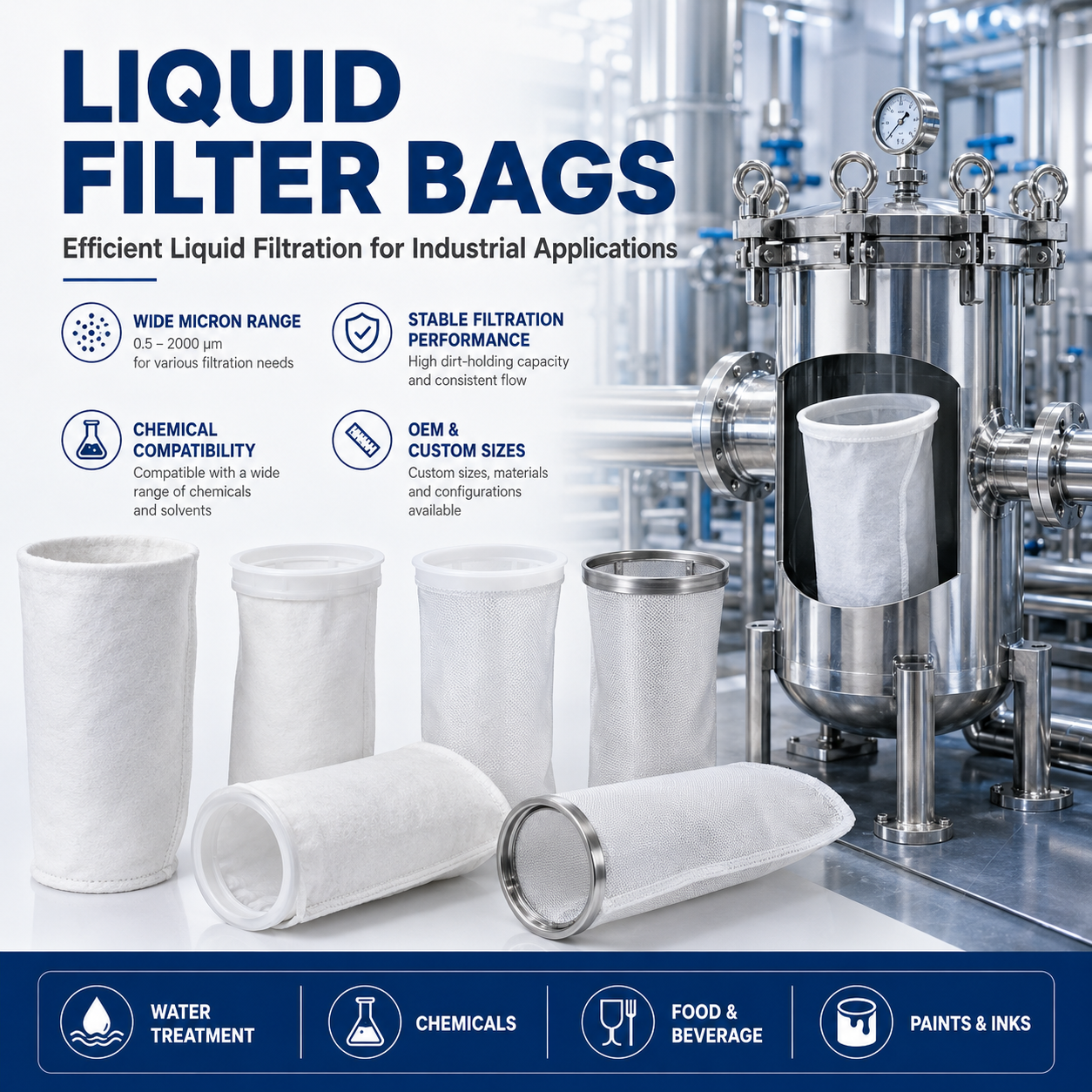
Pulp and paper mills use water for stock preparation, showers, sealing, cleaning and equipment protection. The solids and acceptable filtrate quality can vary widely between intake water, clarified water, mill water and white-water loops. A bag filter should therefore be selected for a defined duty rather than for “paper mill water” in general.
This pulp and paper process water filtration guide helps buyers prepare a bag-filter trial and RFQ. It focuses on coarse and intermediate solids control. It does not replace process testing or claim that one micron rating suits every mill loop.
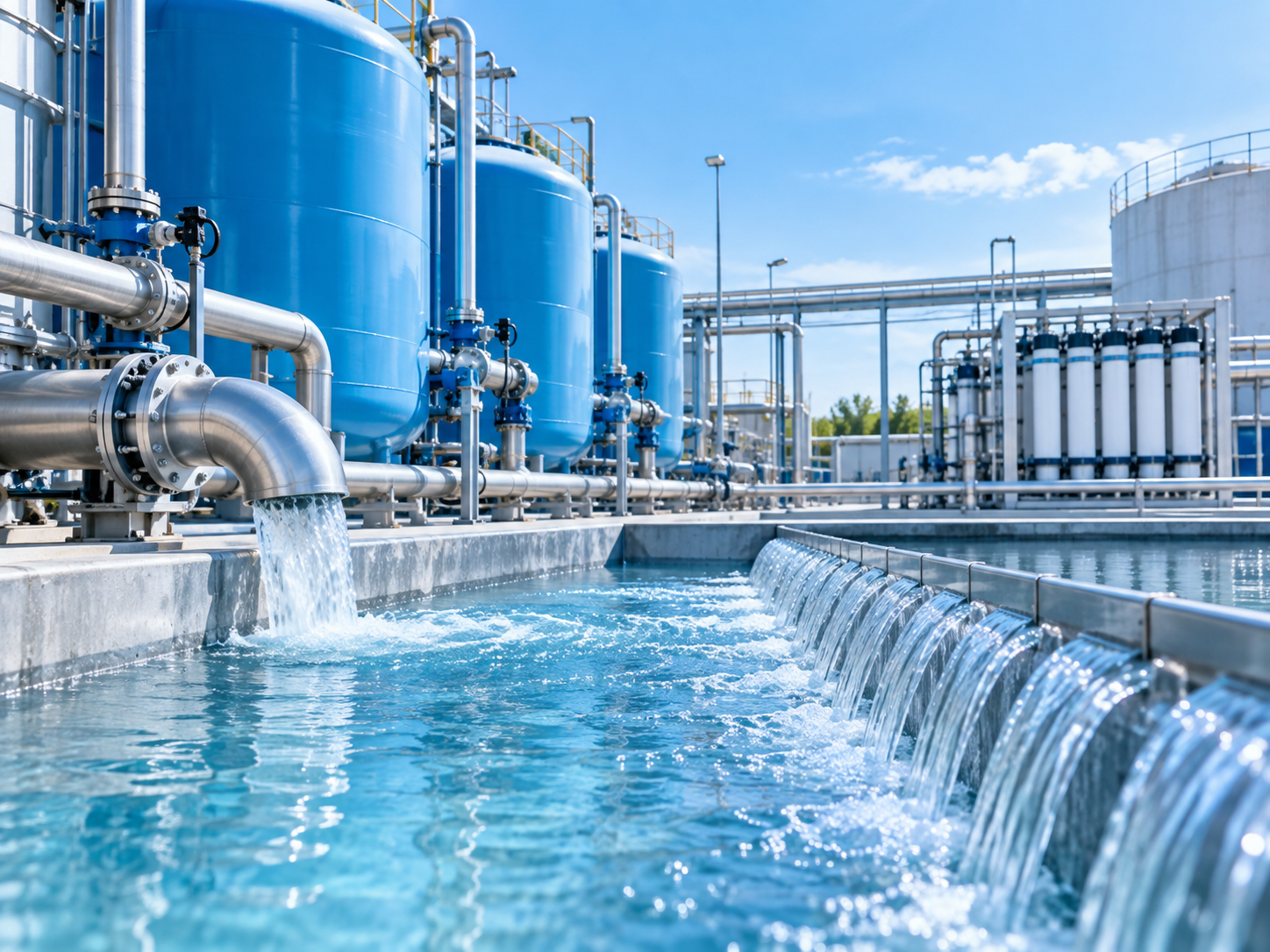
Define the Exact Filtration Point

| Process question | Examples of information to collect | Why it changes selection |
|---|---|---|
| Water source | River, well, municipal, clarified mill water or white water | Changes particle type, variability and biological or fiber load |
| Protected equipment | Spray nozzle, seal-water circuit, heat exchanger, cartridge stage or membrane pretreatment | Determines the harmful particle size and required consistency |
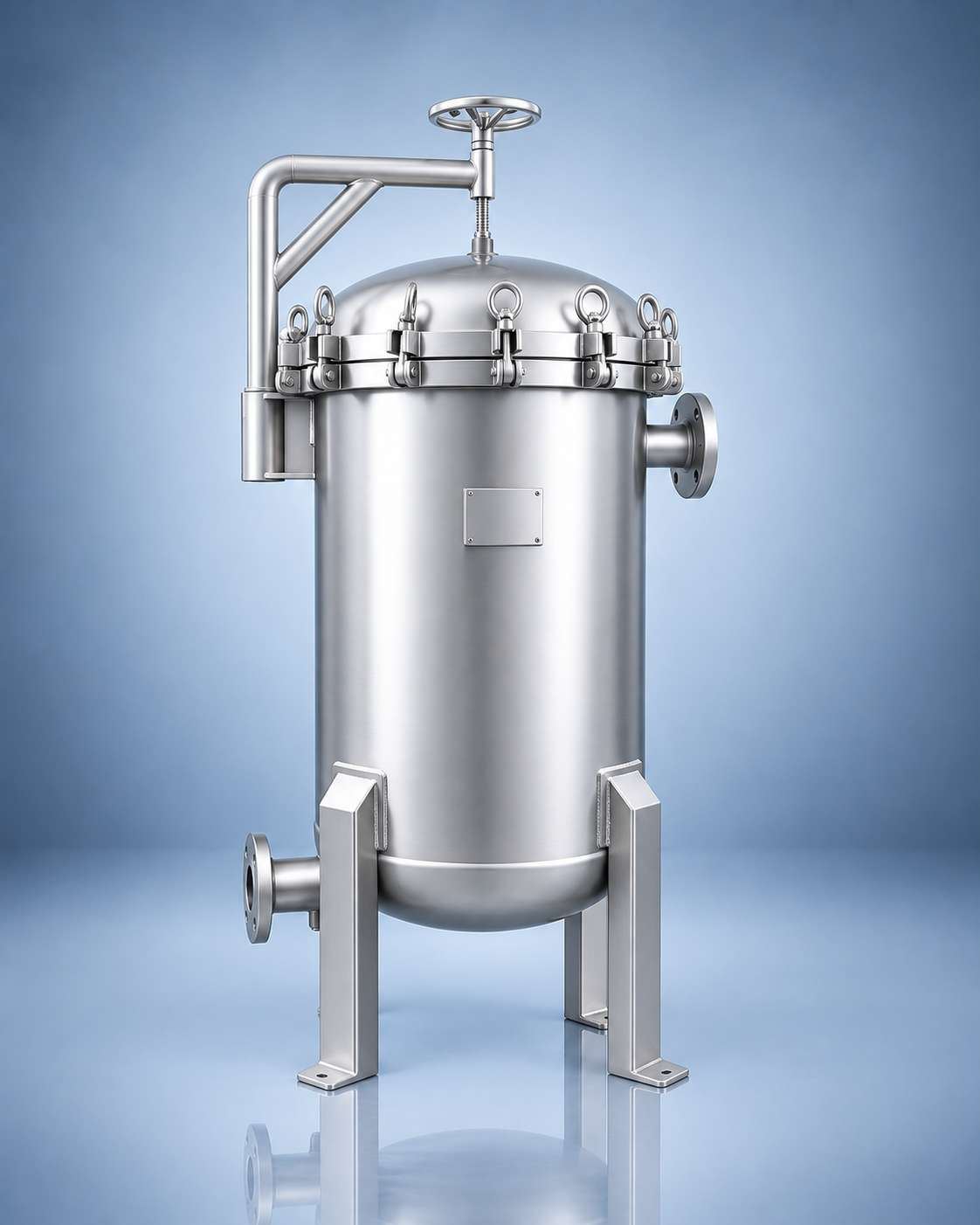
| Hydraulic duty | Normal and maximum flow, pressure, available differential pressure and operating hours | Drives housing size and number of bags |
| Solids behavior | Fiber, scale, sand, coating agglomerate or additive residue; concentration and variability | Influences media structure, loading and change-out frequency |
| Operating constraints | Continuous or batch service, maintenance window, disposal and cleaning practice | Determines single, multi-bag or duplex arrangement |
Where Bag Filtration May Fit
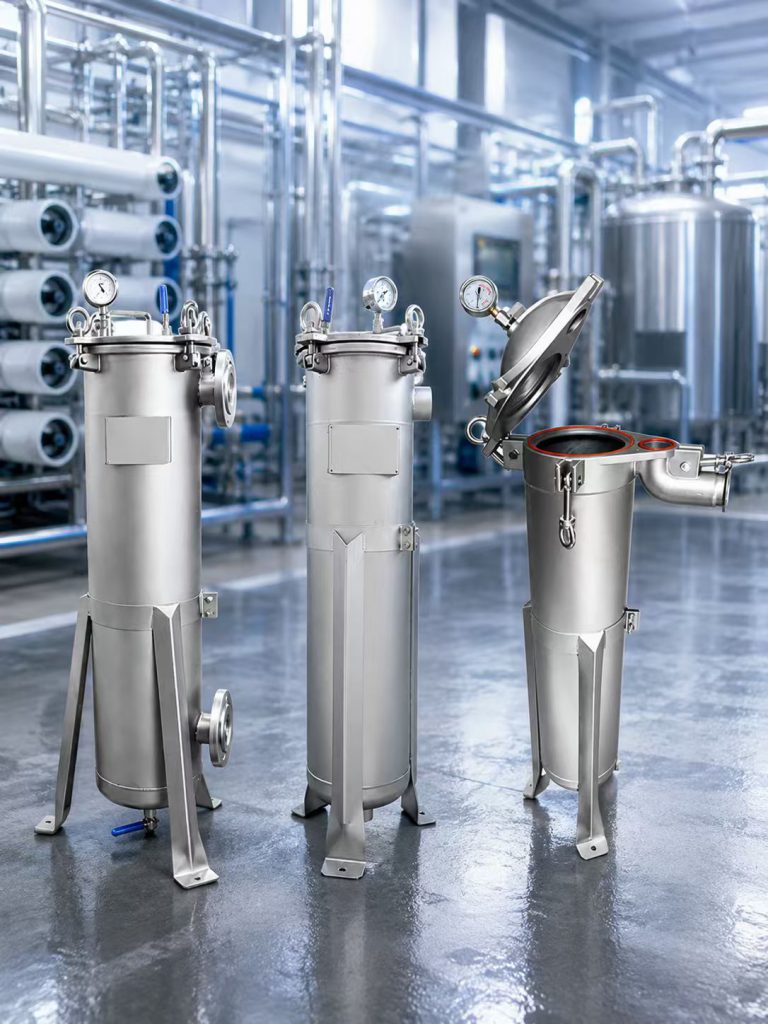
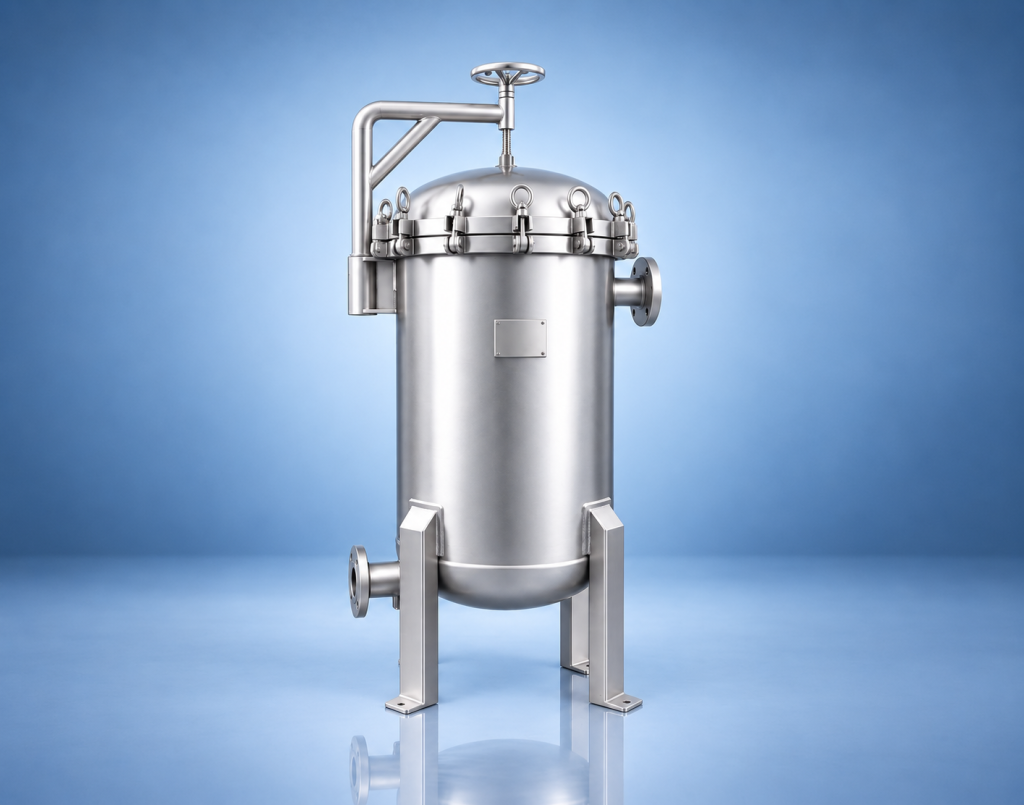
Bag filtration can be evaluated when the solids size and load are compatible with disposable or cleanable bag media and the process allows periodic change-out. A single bag housing may suit a moderate-flow trial, while multi bag housings provide more filtration area for higher flow or solids load.
For fiber-rich or very high-load water, an automatic or backwashing technology may be more appropriate. The trial should confirm whether a bag system provides acceptable pressure-drop growth and maintenance frequency before scale-up.
Choose a Trial Micron Rating From the Protection Goal
Begin with the smallest opening that must be protected, the actual particle-size distribution and the downstream tolerance. Do not choose a bag only because a competitor uses 75 or 250 micron media elsewhere. A micron label does not describe efficiency, media structure or solids capacity.
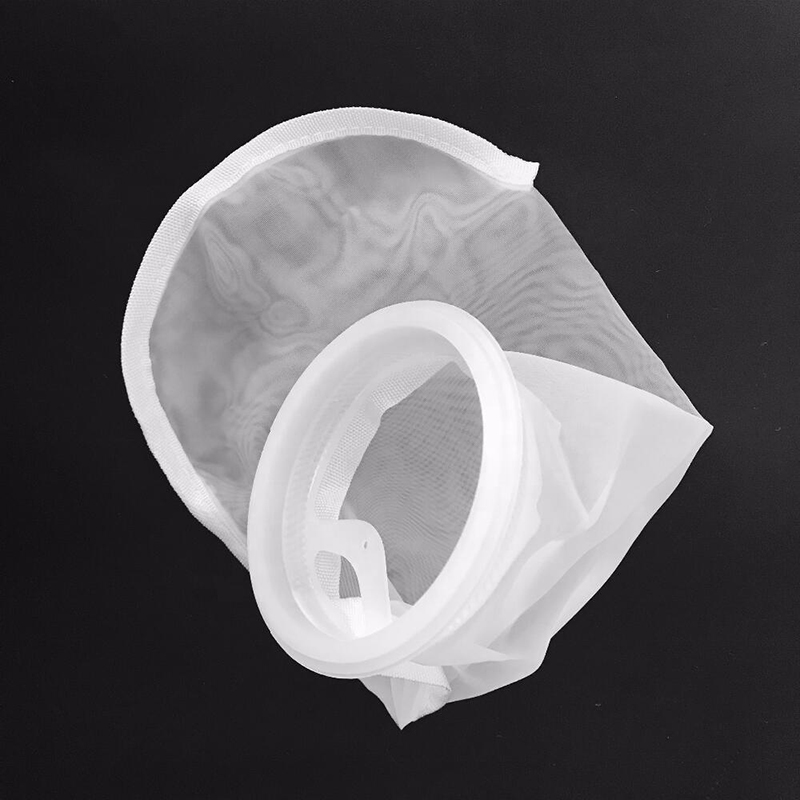
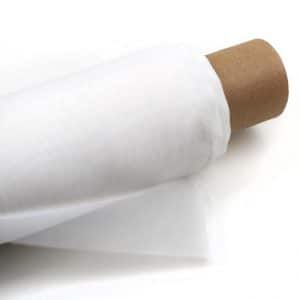
INCE PP filter bags and other liquid-filter-bag constructions should be reviewed for liquid compatibility, temperature, surface or depth filtration behavior, seam and collar fit, and the required efficiency basis.
Trial Plan and Measurements
- Record inlet and outlet pressure at a stable clean-flow condition.
- Measure flow, temperature and operating time for each trial period.
- Track differential-pressure growth rather than only total line pressure.
- Document solids concentration or turbidity using the plant’s established method.
- Inspect the protected nozzle or equipment for plugging and deposits.
- Record bag weight, appearance, change-out reason and disposal or cleaning time.
- Keep operating conditions comparable when testing a second micron rating or media.
What Official Application Sources Say
Eaton groups pulp-and-paper filtration duties into surface treatment, wet-end additives and water. Its water examples include membrane-system protection, trim squirts, vacuum-pump seal water and showers. Eaton also notes that oversized or undissolved solids in additive streams can affect product quality or interrupt equipment.
3M describes process-water filtration used to protect paper-machine spray nozzles from plugging. These references support defining the protected equipment and water loop first; they do not establish a universal bag material or micron rating.
RFQ Data for Scale-Up
- Mill process and exact water-loop location.
- Water source, solids description and available analysis.
- Normal and peak flow, pressure, temperature and operating schedule.
- Target particle or equipment-protection requirement.
- Available space, connection standard and preferred housing material.
- Current filtration equipment, problems and change-out interval.
- Trial quantity, bag size, ring or collar configuration and acceptance criteria.
Source Notes
Application references: Eaton industrial filtration—Pulp & Paper and 3M water filtration for paper production.
Frequently Asked Questions
What micron bag should a paper mill use for process water?
There is no universal rating. Select from the protected equipment, particle distribution, solids load, flow, pressure-drop allowance and trial results.
Can bag filters handle white water?
Possibly in selected duties, but fiber load and variability may make automatic or backwashing equipment more suitable. A controlled trial is needed.
What proves a trial is successful?
Use agreed criteria such as protected-equipment cleanliness, filtrate result, differential-pressure growth, service time, labor and total operating cost.
Request a Paper-Mill Filtration Trial
Send the water-loop description, flow, pressure, temperature, solids data and protection target through Send Your Specification. INCE can review bag size, material and housing configuration for a controlled trial without assuming a universal micron rating.
 WhatsApp